Menu

BusTramMetroRail· Analysis

Romania has renewed its fleets. What comes next for public transport after 2027? An in-depth look from ROPAT 2026

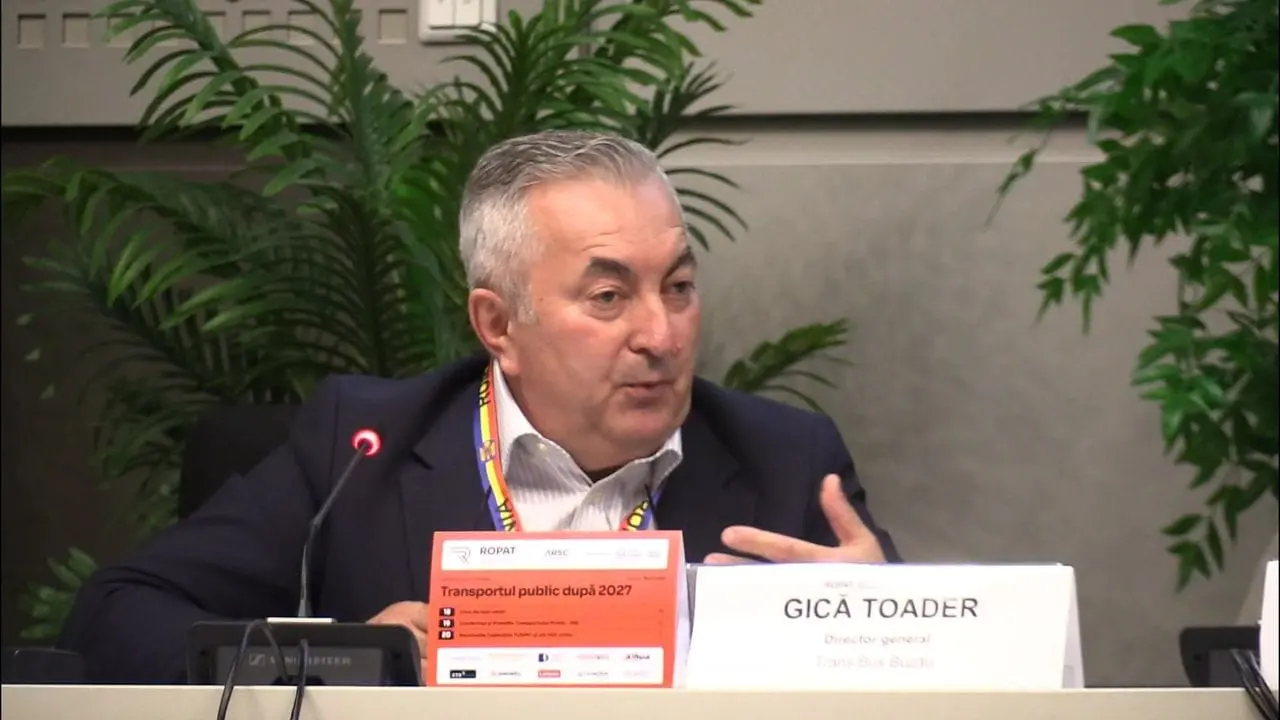
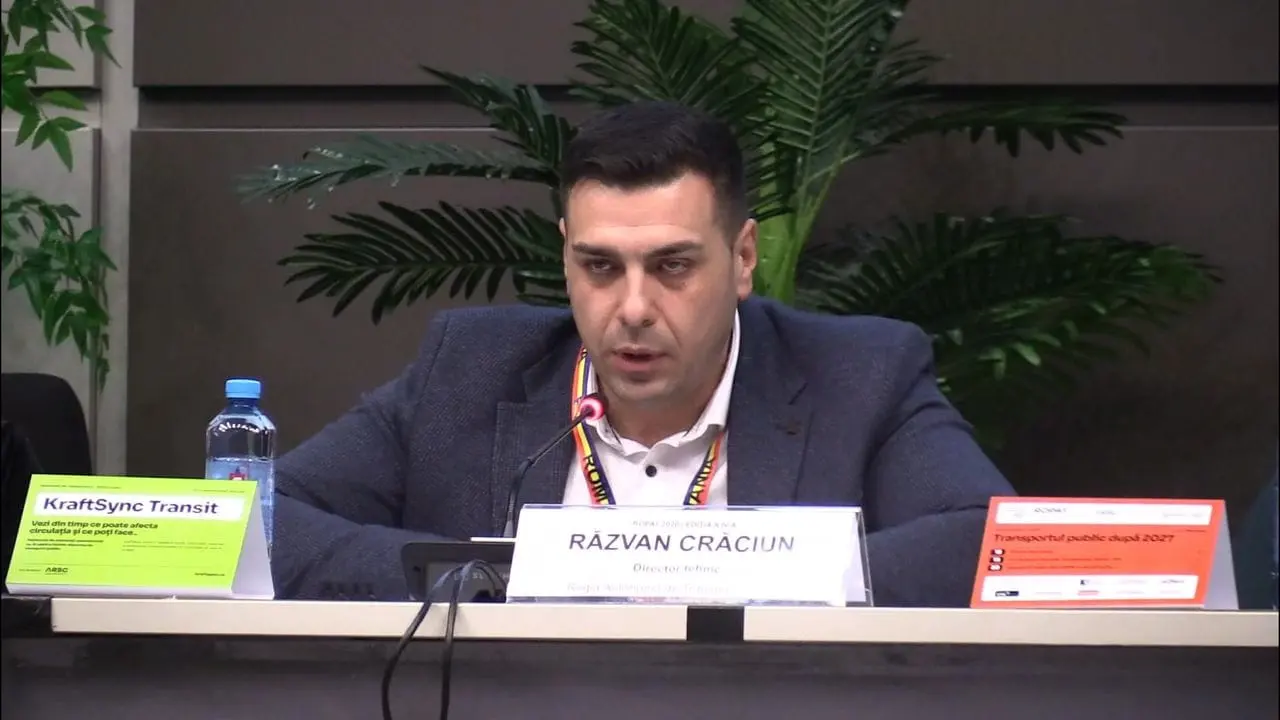
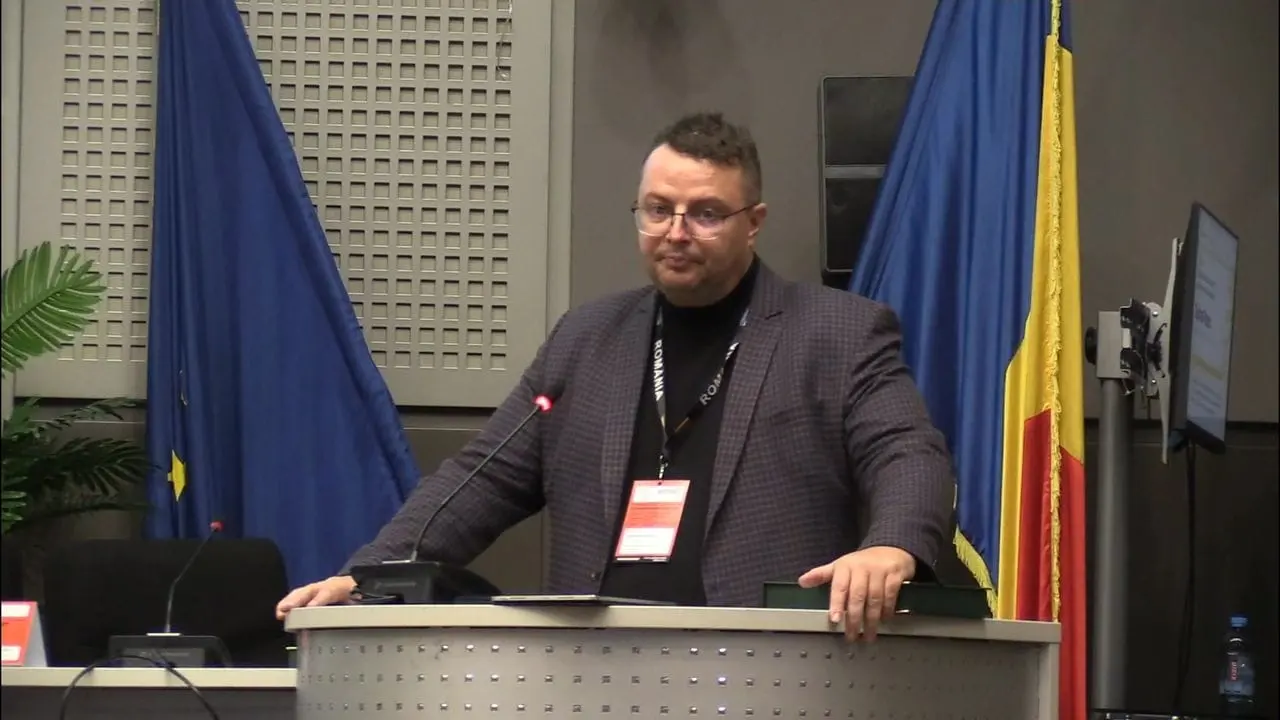
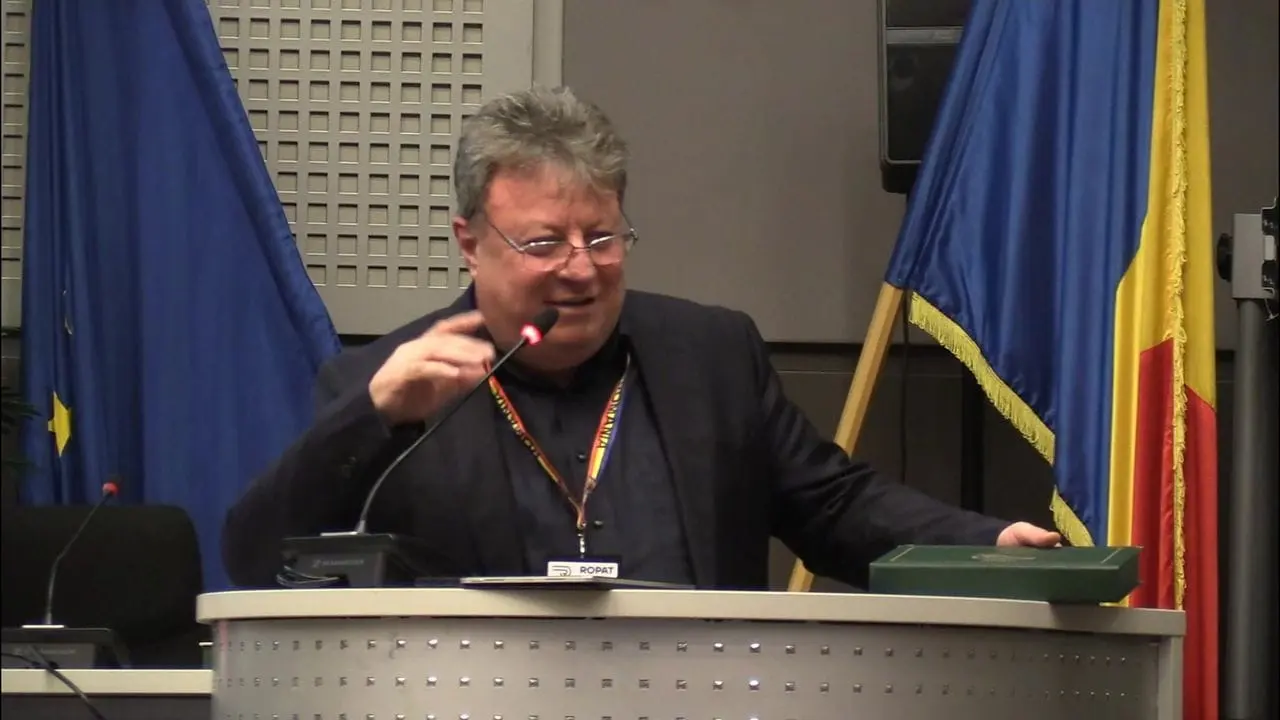
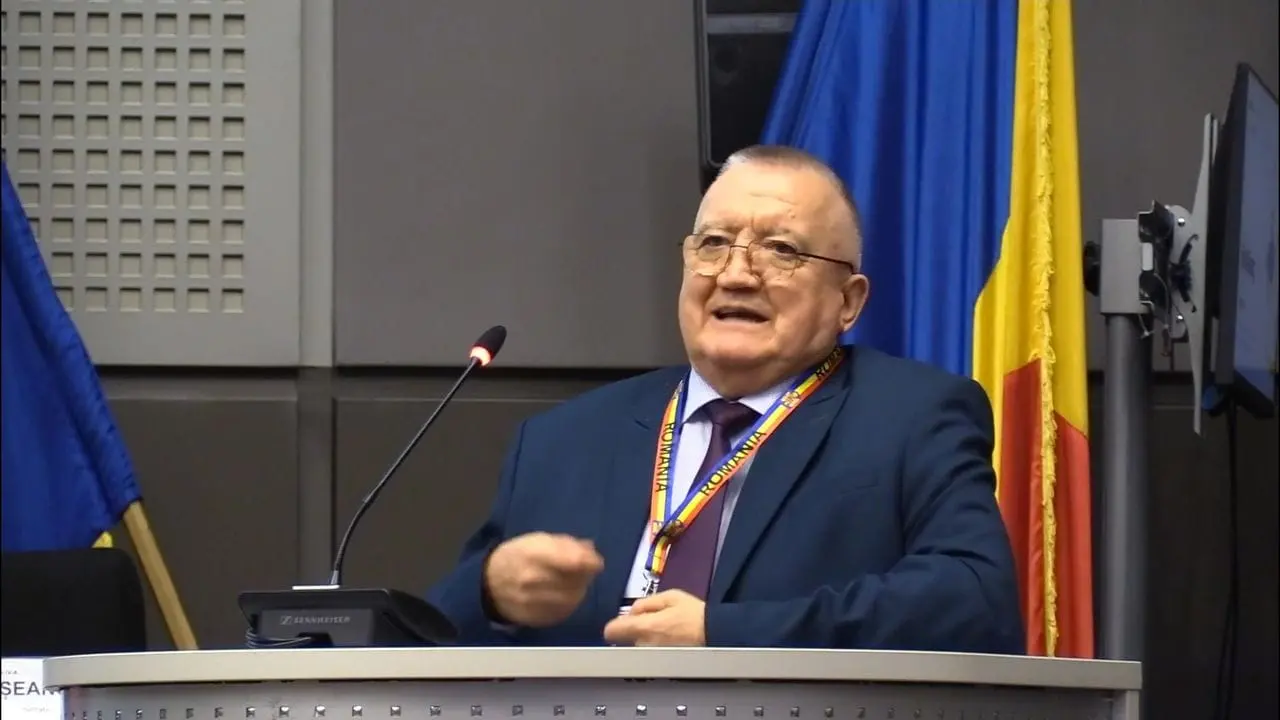
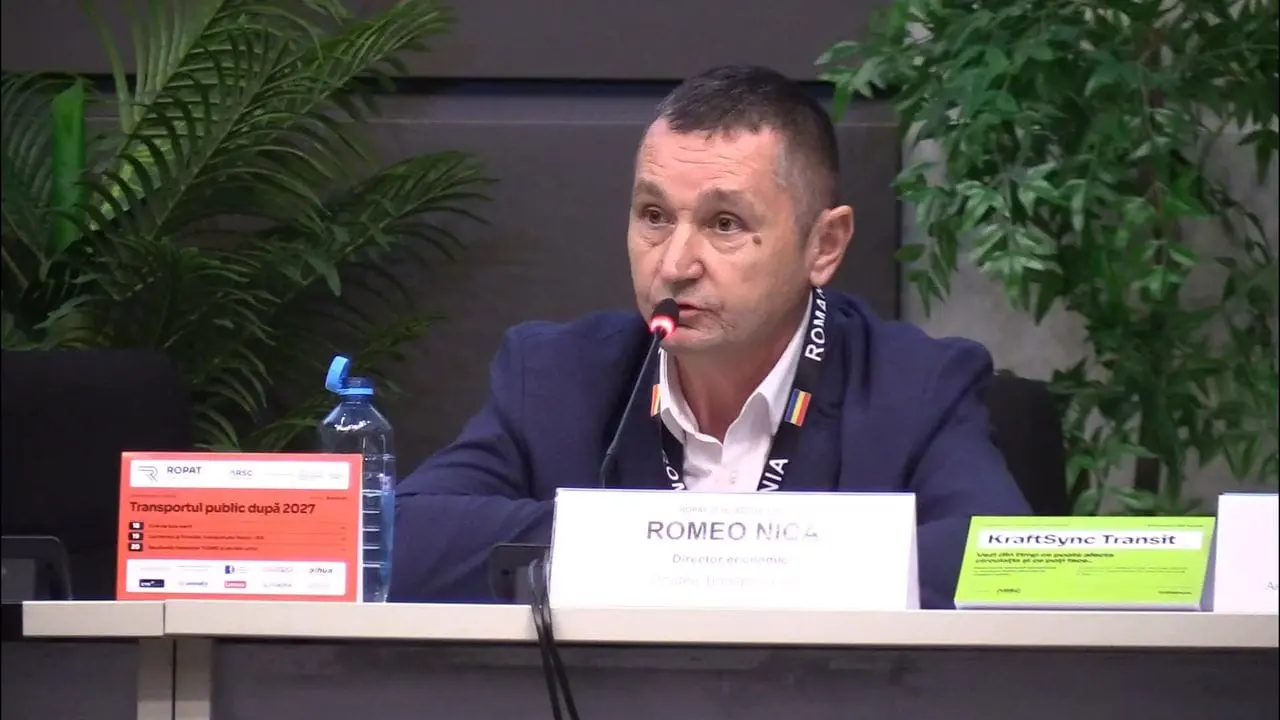
In Bucharest, representatives of public transport operators called for European funding after 2027 to take account of fleet maintenance costs, the infrastructure required and staff training. Around 30 counties were represented, through operators and intercommunity development associations, at the 19 November conference of ROPAT, the National Public Transport Congress, according to the organisers. ARSC and the TUSMC Federation will use the proposals in drafting the document on investment priorities for 2028-2034, scheduled for publication on 15 December.

21 November 2026
Latest news

All news →

Transport in figures

Official INS data

2.09billion journeys in 2025

−0.8% vs 2024

  • Buses and minibuses

    1,167.9 m journeys

    −4.2%
  • Trams

    521.5 m journeys

    +3.7%
  • Trolleybuses

    247.6 m journeys

    +6.8%
  • Metro

    153.3 m journeys

    +0.8%

More news

All news →
Underground · Bucharest

Five lines, 64 stations and a sixth line to the airport under construction

  • 64stations in service
  • ~80km of network
  • 153 mil.passengers carried in 2025
  • 1979first passenger train
  1. M1
    Dristor 2Dristor 2Piața MunciiIanculuiOborȘtefan cel MarePiața Victoriei 1Gara de Nord 1Basarab 1CrângașiPetrache PoenaruGrozăveștiEroilorIzvorPiața Unirii 1Timpuri NoiMihai BravuDristor 1Nicolae Grigorescu 1TitanCostin GeorgianRepublicaPantelimonPantelimon
    Since 1979 · 22 stations · 31 km
  2. M2
    PiperaPiperaAurel VlaicuAviatorilorPiața Victoriei 2Piața RomanăUniversitatePiața Unirii 2TineretuluiEroii RevoluțieiConstantin BrâncoveanuPiața SuduluiApărătorii PatrieiDimitrie LeonidaBerceniTudor ArgheziTudor Arghezi
    Since 1986 · 15 stations · 20 km · extended to Tudor Arghezi in 2023
  3. M3
    PrecizieiPrecizieiPăciiGorjuluiLujeruluiPolitehnicaEroilorIzvorPiața Unirii 1Timpuri NoiMihai BravuDristor 1Nicolae Grigorescu 21 Decembrie 1918Nicolae TecluAnghel SalignyAnghel Saligny
    Since 1983 · 15 stations · 22 km, partly shared with M1
  4. M4
    Gara de NordGara de Nord 2Basarab 2Grivița1 MaiJiuluiParc BazilescuLaminoruluiStrăuleștiStrăulești
    Since 2000 · 8 stations · 7.4 km · 14 more stations planned to Gara Progresul
  5. M5
    Râul DoamneiRâul DoamneiConstantin BrâncușiValea Ialomiței (branch)RomancierilorParc Drumul TabereiTudor VladimirescuFavoritOrizontAcademia MilitarăEroilor 2Eroilor
    Since 2020 · 10 stations · 7 km, with the branch to Valea Ialomiței
  6. M6
    1 Mai1 MaiPajuraExpozițieiPiața MontrealGara BăneasaAeroport BăneasaTokyoWashingtonParisBruxellesOtopeniIon I.C. BrătianuAeroport Henri CoandăAeroport Henri Coandă
    Under construction since Dec. 2023 · 12 stations · 14.2 km · works forecast to end in Nov. 2028
Did you know?
1 / 10
  • Photo: Neoclassicism Enthusiast, CC BY-SA 4.0

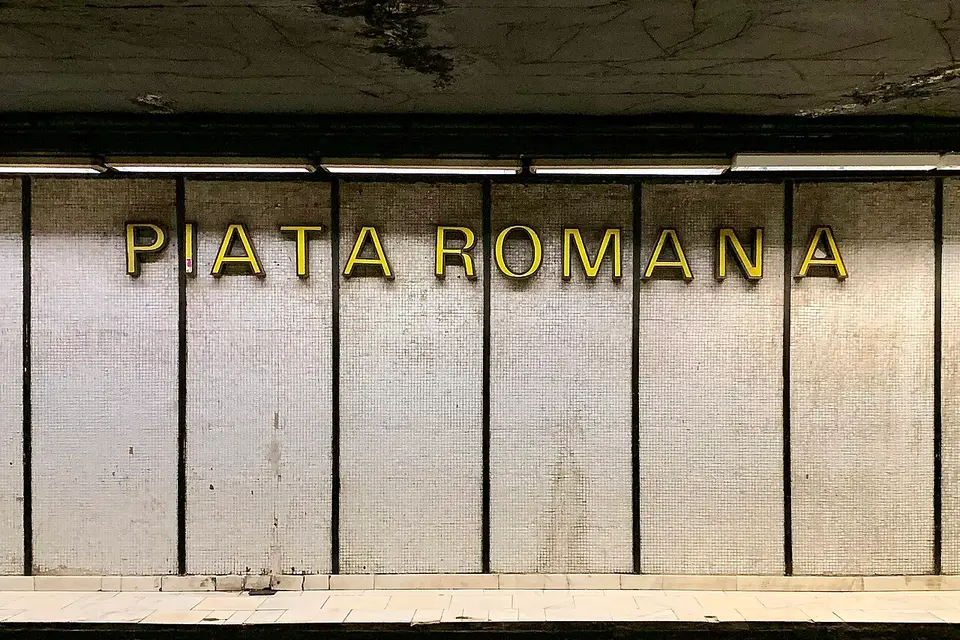
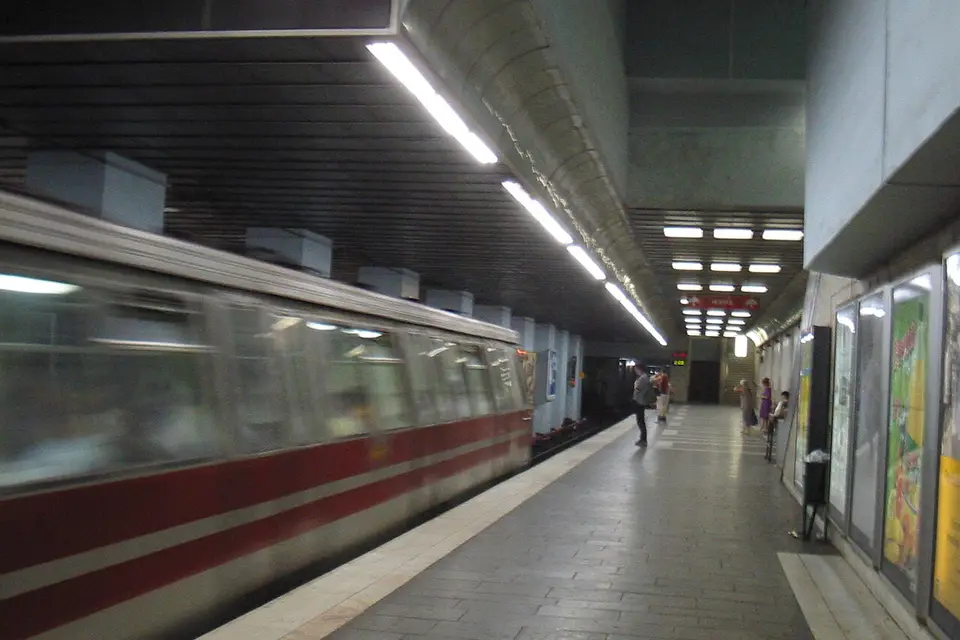
    The station trains ran through for almost a year without stopping

    According to architect Sorin Călinescu, one of the station's designers, quoted by Historia magazine, Elena Ceaușescu demanded in 1985 that the station be removed from the M2 plans, yet the basic works were carried out regardless. Trains ran through the station without stopping for almost a year, until it opened on 28 November 1988. Its platforms are less than 1.5 metres wide, a consequence of its late inclusion in the project.

  • Photo: Nicubunu, CC BY-SA 4.0

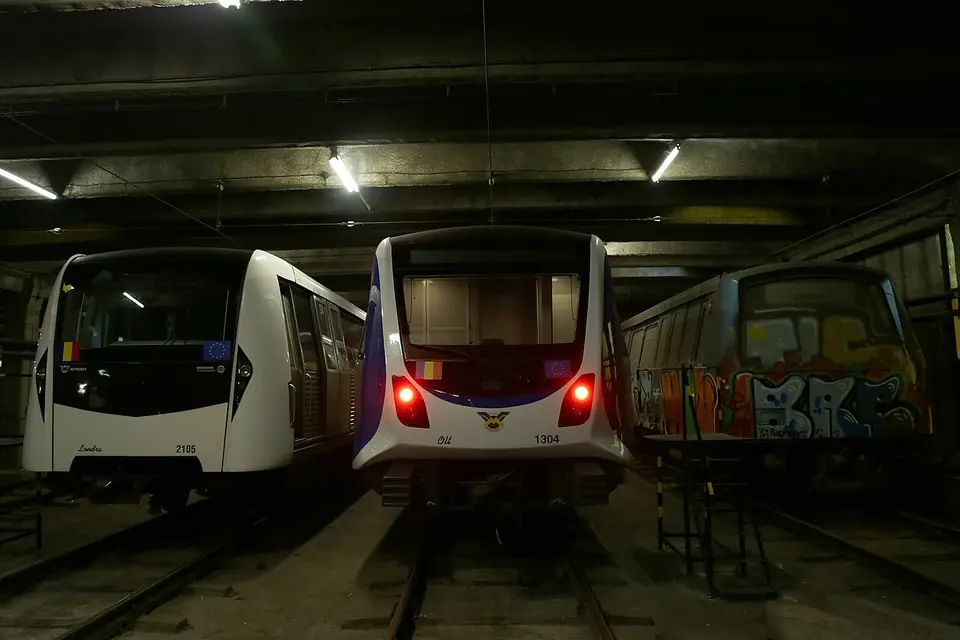
    Romania's first metro trains were built in Arad

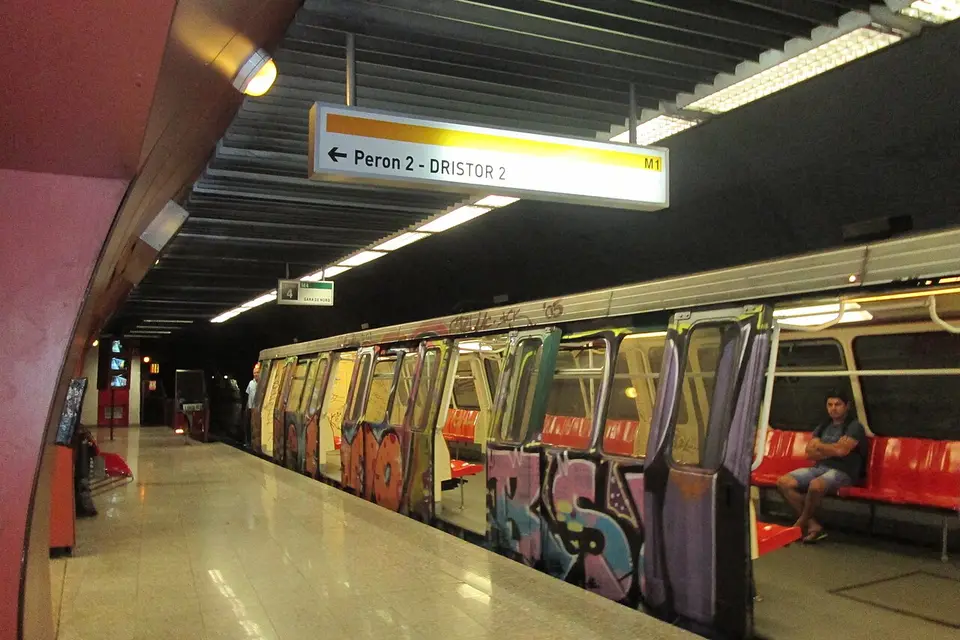
    The first trains, the Astra IVA, were designed in Romania and built in Arad: 504 cars delivered between 1978 and 1989. A few sets still run today, alongside Bombardier Movia, CAF and Alstom trains.

  • Photo: Chainwit., CC BY 4.0

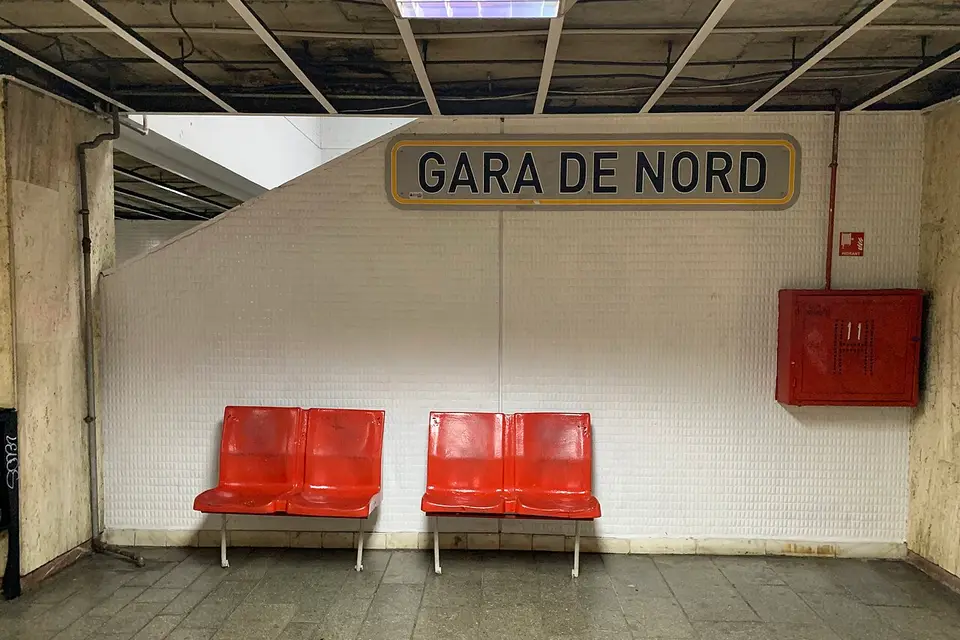
    Gara de Nord actually has two stations

    Gara de Nord 1 (M1 and M3) and Gara de Nord 2 (M4) are distinct stations. Transferring between the lines they serve requires leaving the system and validating the ticket again.

  • Photo: TrainSimFan, CC BY-SA 4.0

    The shortest hop: 430 metres

    Gara de Nord 2 and Basarab 2, on M4, are only 430 metres apart, the shortest distance between two stations on the network.

  • Photo: kallerna, CC BY-SA 4.0

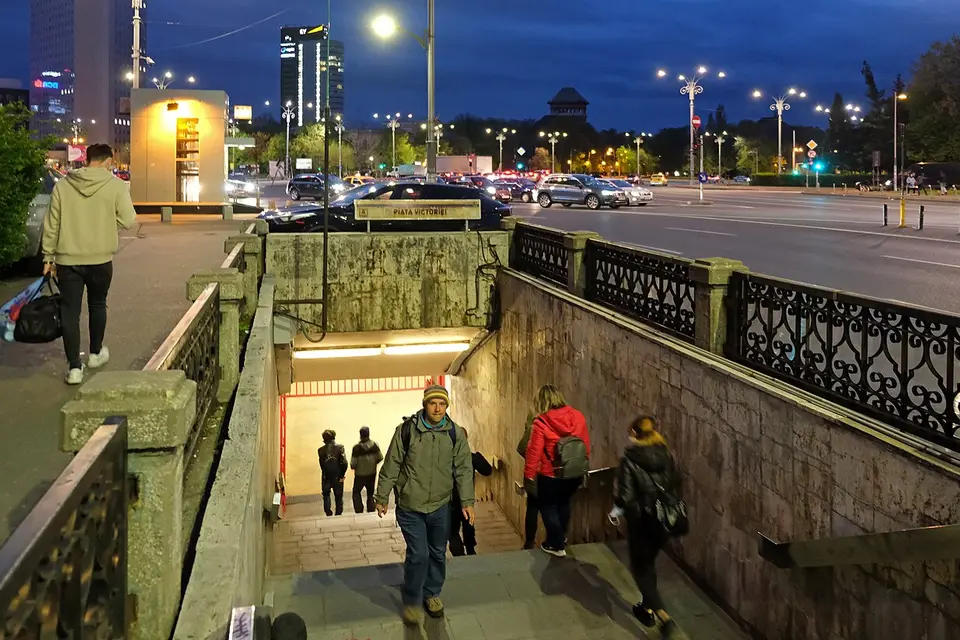
    Piața Victoriei is one station, though the map shows two

    Victoriei 1 and Victoriei 2 are one station with platforms on different levels. M1 was also meant to have Dorobanți and Giulești stations, which were never built.

  • Photo: Rc1959, CC BY-SA 4.0

    Five days without trains at Piața Unirii

    In 1987 Piața Unirii station flooded and trains were halted for five days.

  • Photo: FrancisTyers, CC BY-SA 3.0

    The stations were also designed as shelters

    The stations were designed to double as air-raid shelters. Some have sealed metal doors that have never been used.

  • Gorjului, a station with two faces

    Gorjului station was built in two stages, in 1994 and 1998, so its two platforms have different materials and colours.

  • Six stations were renamed in 2009

    Semănătoarea became Petrache Poenaru, Armata Poporului became Lujerului, Industriilor became Preciziei, Policolor became Nicolae Teclu, Linia de Centură became Anghel Saligny and IMGB became Dimitrie Leonida.

  • The airport metro costs over 10 billion lei

    M6 links 1 Mai to Henri Coandă Airport through 12 stations over 14.2 km. Works began on 15 December 2023, the updated cost exceeds 10.45 billion lei including VAT, and funding comes from Romania's recovery plan, EU funds, a Japanese loan (JICA) and the state budget.

Featured event  ·  5th edition

ROPAT 2027

The National Public Transport Congress returns to Bucharest.

  1. 17 Nov
  2. 18 Nov
  3. 19 Nov
Find out more →17-19 November 2027 · Bucharest
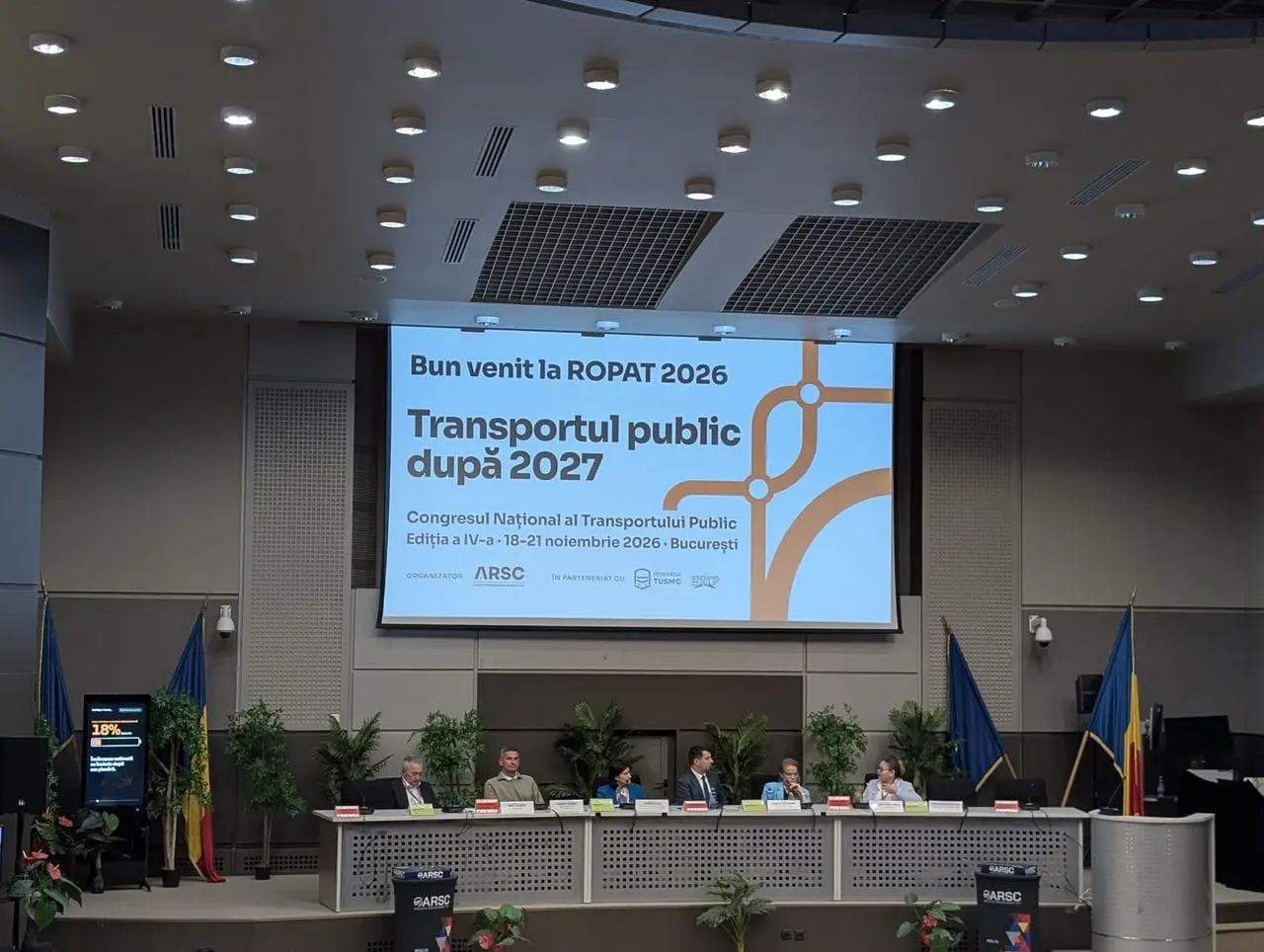
The Amfiteatru Hall of the National Institute of Statistics, before the opening of ROPAT 2026.

Legislation and tenders

All tenders →

Analysis

Directory

Find operators, manufacturers, importers and suppliers

List your company

Directory partners

Partner

Anadolu Automobil Rom

Importer and distributor of Isuzu, Karsan and Yutong buses. It supplied Yutong trolleybuses to Bucharest and, according to the company, more than 1,000 electric vehicles in Romania.

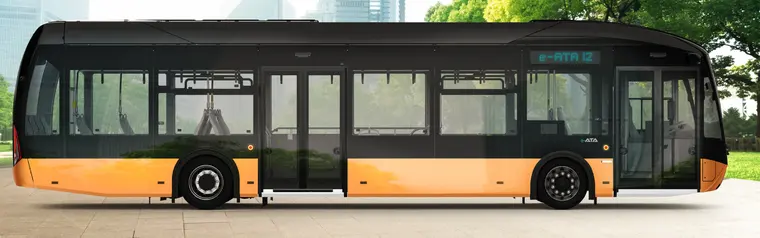
  • Karsan electric range: e-JEST, e-ATAK, e-ATA 10, e-ATA 12 and e-ATA 18
  • Sales, service and parts
  • Registered office: Ciolpani, Ilfov County

+40 21 266 8300Karsan electric range →Official website →In the news →

The Karsan e-ATA 12 electric bus
ARSC network

KraftSync Transit

The AI operations assistance platform for electric public transport. It connects data from the systems the operator already uses and helps the team coordinate vehicles, duties, charging and energy.

  • Vehicles, duties, charging and energy, in one place
  • Hans, the platform's assistant, explains the situation and proposes the next steps; the decision stays with the dispatcher
  • Offered by the Romanian Smart City Association

[email protected]See the platform →

Transport stories

All stories →
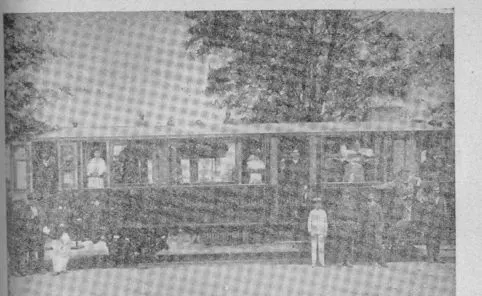
The steam tram on Calea Griviței, 1906, with passengers at the windows and staff in front of the car
The "steam" tram on Calea Griviței, between Gara de Nord and Sfântul Vineri cemetery, 1906 · Photo: period photograph, reproduced in Al. Cebuc, 1962, p. 139, public domain

Story of the week · 1906

The steam tram was allowed on the tracks, provided it did not disturb the horses

In June 1906, Bucharest briefly had a steam tram. The company operating the horse-drawn trams agreed that a "steam railcar" could run on its tracks for about two kilometres, between the Sfântul Vineri toll gate on Calea Griviței and Gara de Nord. The city hall granted the authorisation on 26 July 1906, for one year.

The conditions show clearly who had priority. The concessionaire wrote to the vehicle's owner that the service had to run "without disturbing our horse service". The steam car had to keep at least 50 metres behind the tram in front, stop and start together with it, and carry only through passengers, at a fare of at least 20 bani. It paid the company 2 bani per passenger and the municipality 20 bani a day for each seat. The authorisation was declared "precarious" and could be withdrawn at three days' notice.

The tram ran for one year. After that, the records fall silent: historian Alexandru Cebuc, who studied the city hall file, found no further trace of it, and the reason it was abandoned is not recorded. It remained the only attempt of its kind in Bucharest.

The history of public transport in Romania

Full timeline →
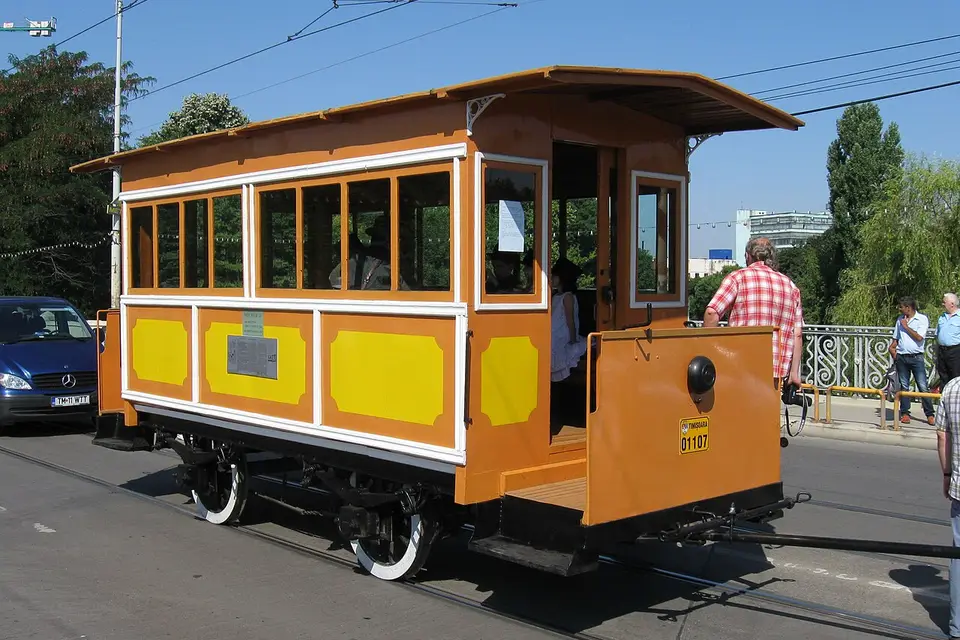
  1. Photo: Turbojet, CC BY-SA 3.0
    1869Timișoara · TramRomania's first horse-drawn tram
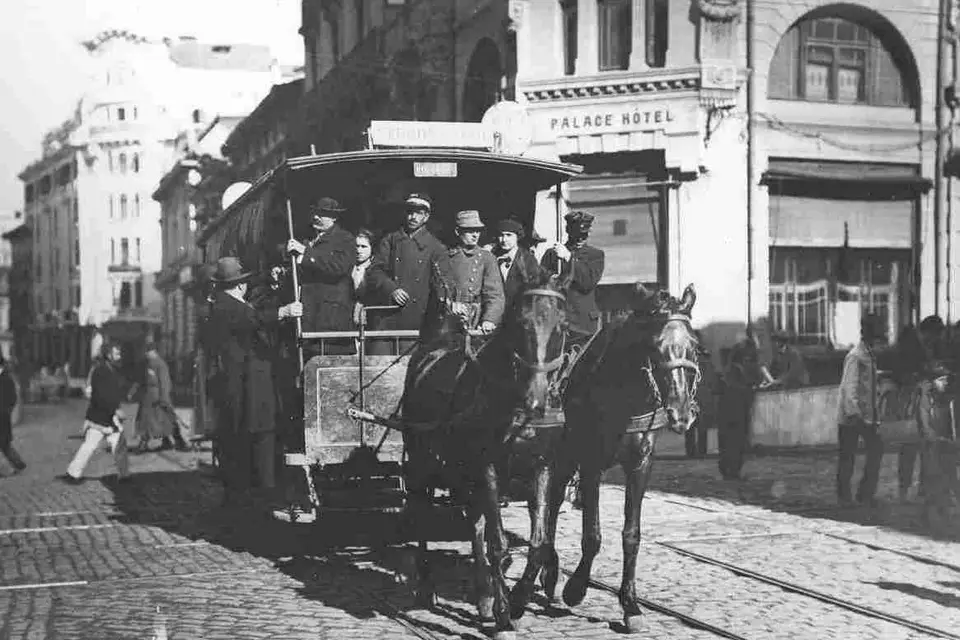
  2. Photo: public domain
    1872Bucharest · TramThe horse tram reaches Bucharest
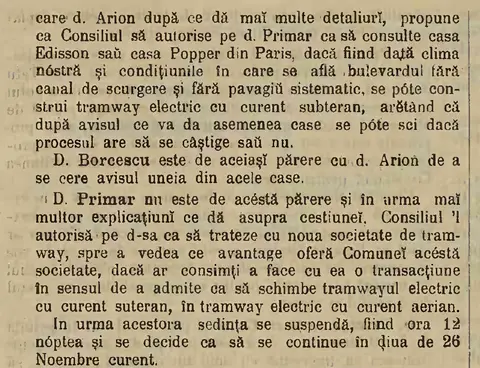
  3. 1894Bucharest · TramBucharest's first electric tram
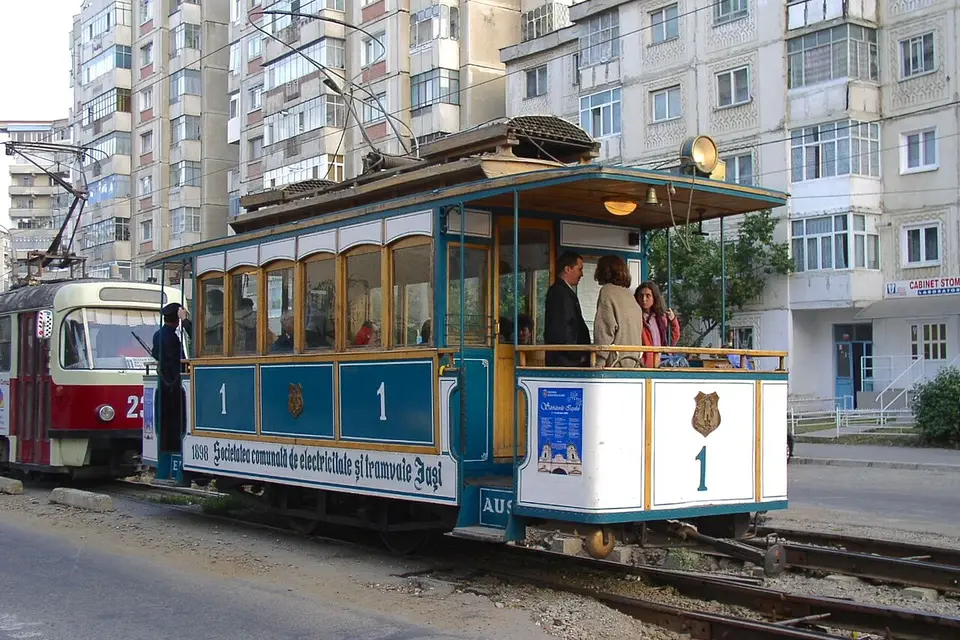
  4. Photo: Tiberiu Sufitchi, public domain
    1900Iași · TramIași, the country's longest tram network
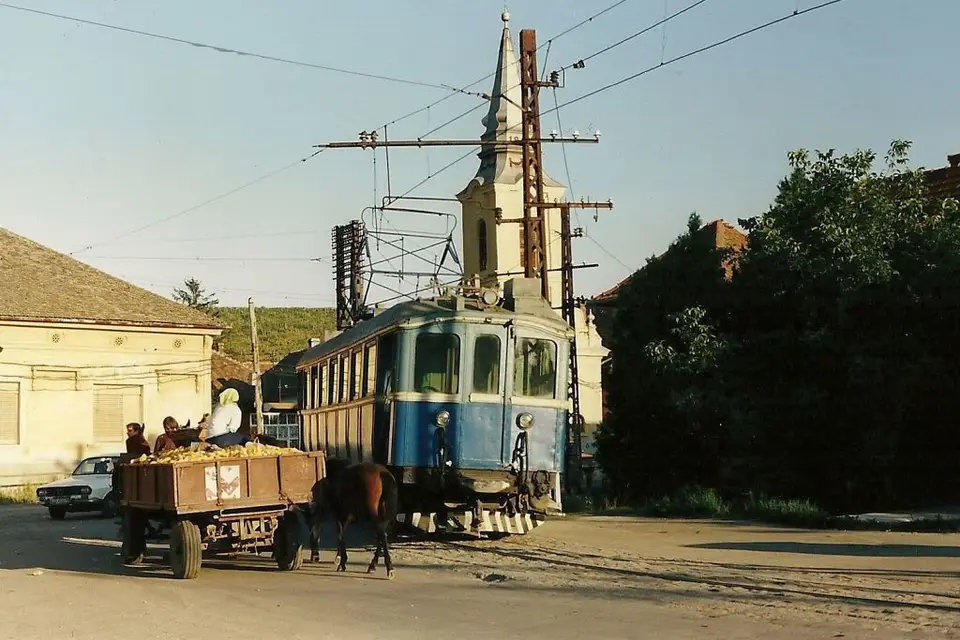
  5. Photo: Oliver Wileczelek, CC BY-SA 3.0
    1913Arad, Podgoria · RailThe electric line through Arad's vineyards
  6. Photo: Muzeul Național de Istorie a României, free use with attribution
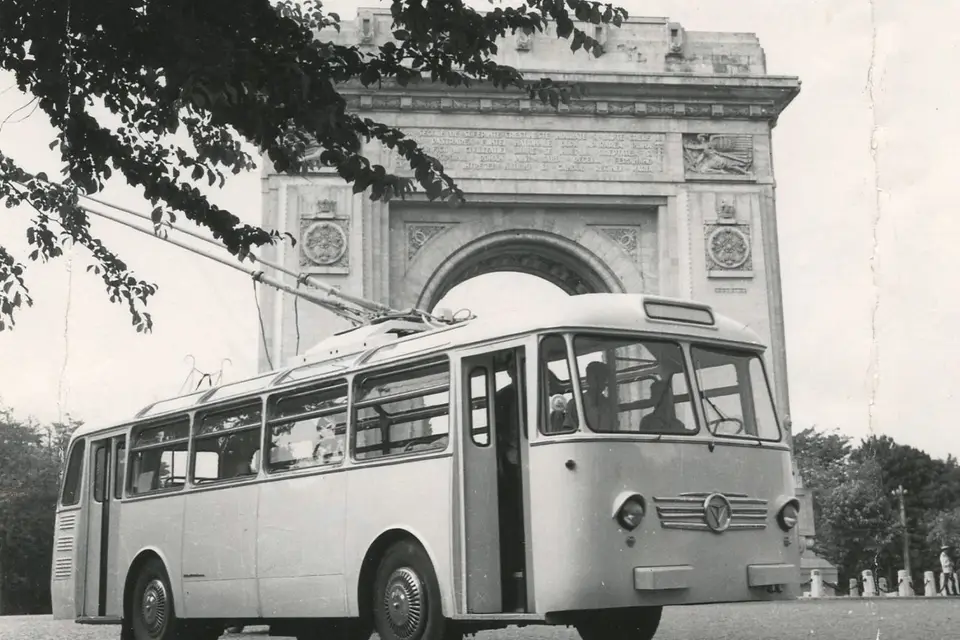
    1949Bucharest · TrolleybusThe first trolleybus
  7. Photo: TrainSimFan, CC BY-SA 4.0
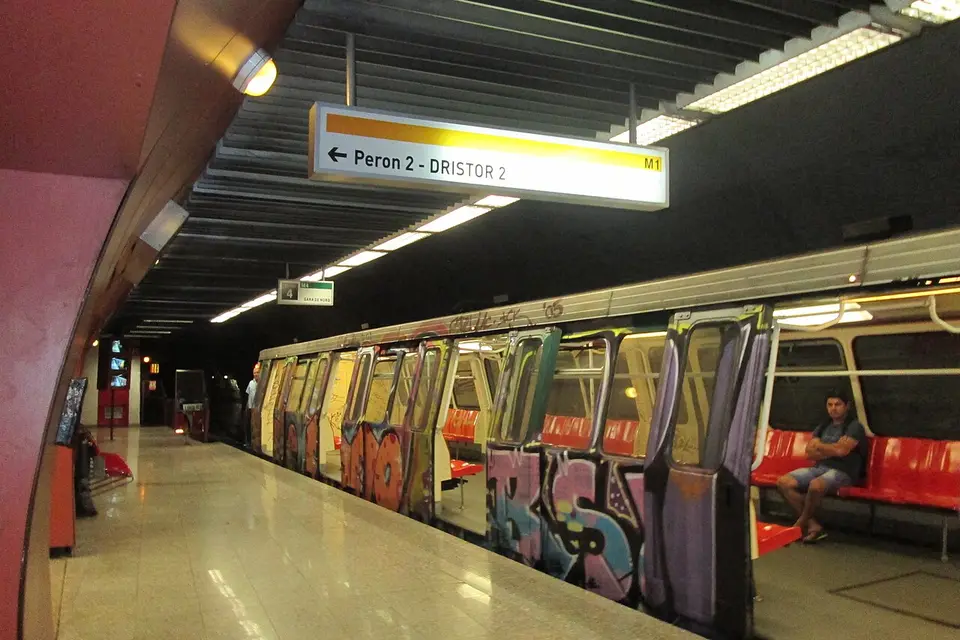
    1979Bucharest · MetroThe metro opens
  8. Photo: Ionuț Ciurea, Asociația Pro Infrastructură, CC BY-SA 4.0
    2020Bucharest · MetroLine M5, the first new line in 20 years

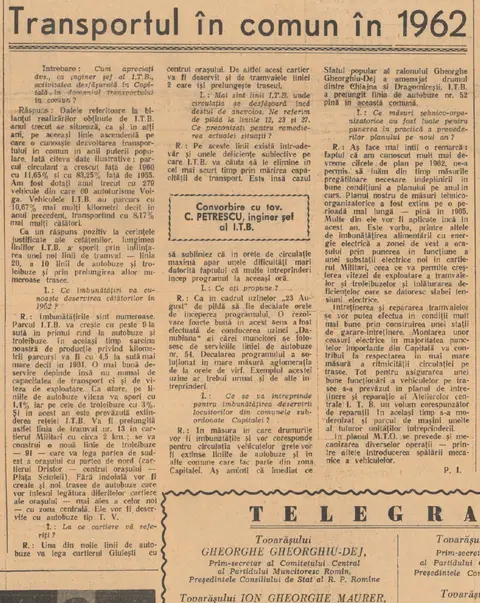
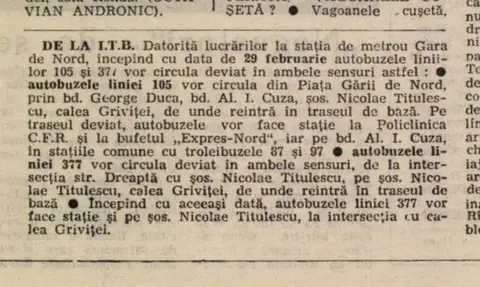
From the archive: what the papers said

All archive stories →

The industry, every Tuesday morning.

The week's news, tenders and legislative changes in a single email.

We will send you a confirmation email. You can unsubscribe at any time with one click. Privacy policy.