How a public transport fleet is funded. What the EIB, EBRD and BID look for in city projects
At ROPAT 2026, representatives of the EIB, EBRD and BID explained what banks look for in a public transport project, from maintenance costs to the contract with the operator.
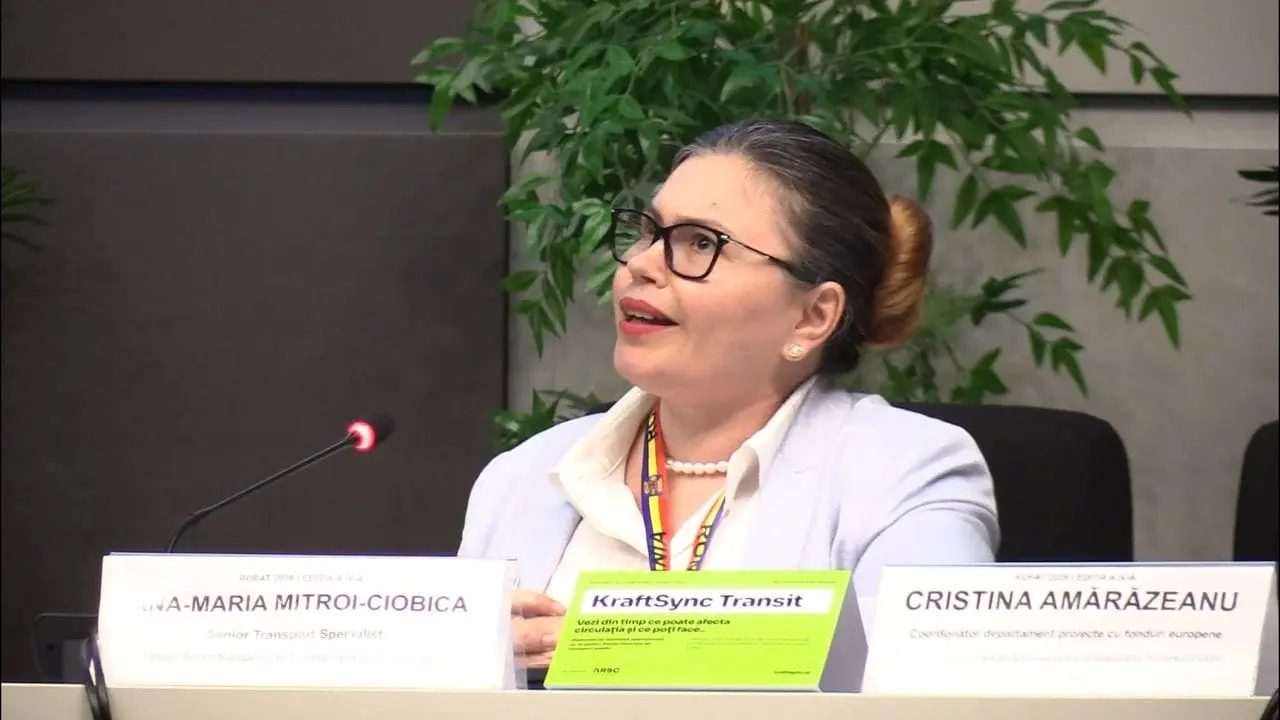
Some public transport projects reach the lender with detailed technical studies but only rough estimates for operating and maintaining the vehicles. Sometimes those estimates are missing altogether, explained Ana-Maria Mitroi-Ciobîcă, a transport specialist at the European Investment Bank (EIB) Group. “The investment cost is only the first part of the project equation,” she said at the National Public Transport Congress on 19 November 2026 in Bucharest.
In the same debate, Venera Vlad, representing the European Bank for Reconstruction and Development (EBRD), explained why the contract between the operator and the city hall matters when a transport company wants to finance its fleet. Simona Mureșan of the Investment and Development Bank (BID), Romania's development bank, spoke about projects for which commercial banks hesitate to lend long term.
EIB: routes and service are planned together
Ana-Maria Mitroi-Ciobîcă put the EIB's lending to public transport in Romania at about two billion euros over more than 20 years of activity. One example from the bank's portfolio is the 16,350,000 euro loan, signed in September 2008, to renew the tram and bus fleet in Oradea.
To cities now preparing investments, the EIB specialist suggests choosing vehicles and infrastructure based on the journeys people need to make. The network and the service it carries must be designed together, and the budget must also cover the years the vehicles are in operation, including maintenance and equipment replacement. When these costs are left out, the bank and the beneficiary need an additional assessment stage, she explained.
EBRD: what the operator can finance during the contract
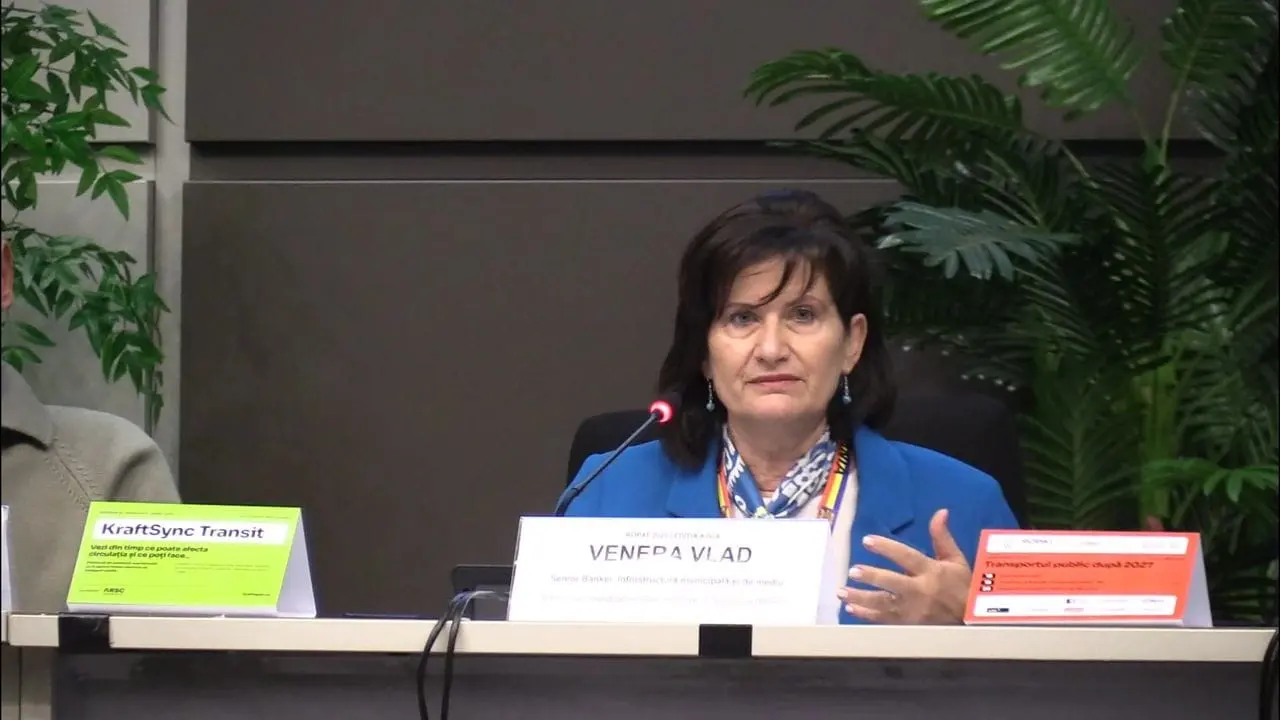
Venera Vlad, a municipal and environmental infrastructure specialist at the EBRD, noted that European funding over the past 10 to 15 years has helped both to renew fleets and to change the relationship between city and operator. Cities have drawn up mobility plans, and in many of them the obligations of the parties have been set out in public service contracts.
These contracts, however, run for a limited time. Venera Vlad gave examples of six, eight or ten years. When it falls to the operator to finance the vehicles, what matters is the revenue it can rely on for the length of the loan. “That means investment capacity, financing capacity and a working public service contract,” the EBRD representative said.
BID: additional capital for public projects
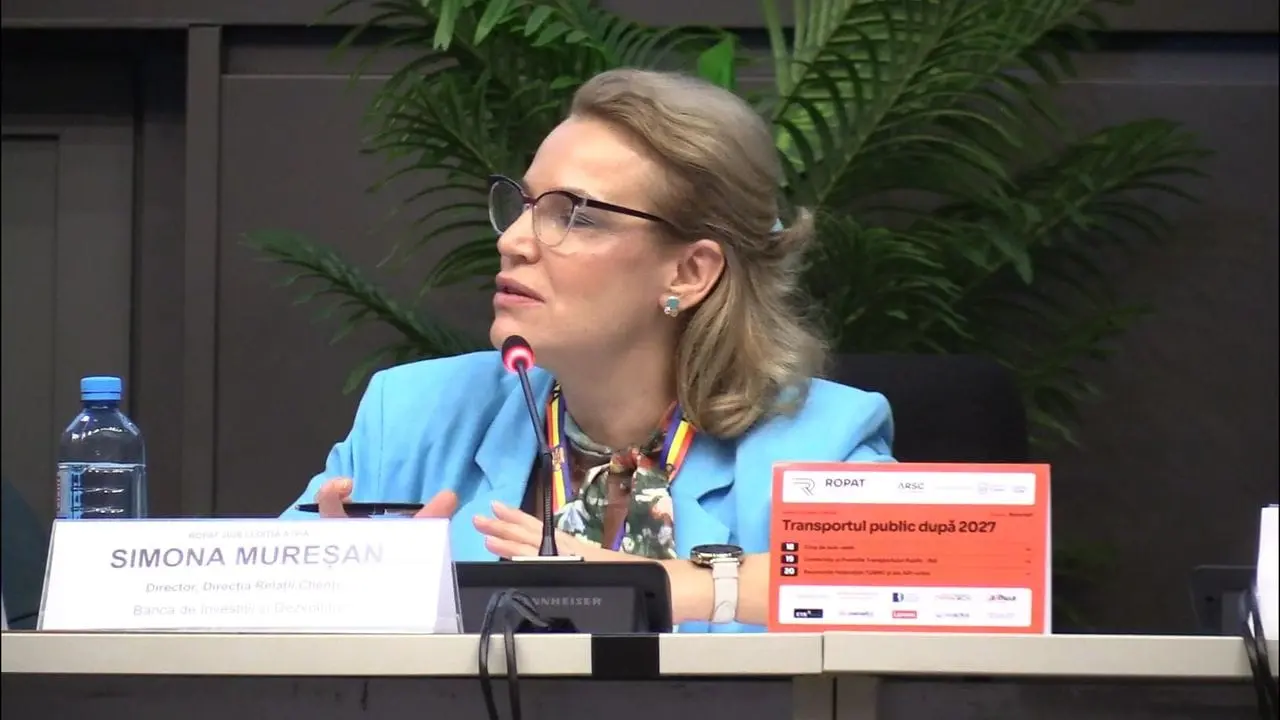
Simona Mureșan, Director of Client Relations at BID, explained the role of the national development bank when the period an investment needs exceeds the horizon a commercial lender will accept. BID can support the participation of commercial banks in such projects. The aim is “to mobilise additional capital to finance projects with public impact,” Simona Mureșan said.
At the close of the debate, the organisers announced that the Romanian Smart City Association and the Investment and Development Bank had signed a cooperation protocol.
Sources · Venera Vlad, EBRD · Simona Mureșan, BID · Ana-Maria Mitroi-Ciobîcă, EIB Group · Announcement of the ARSC-BID protocol · EIB fact sheet on the Oradea project
23 November 2026 · transportpasageri.ro editorial team · Source: ROPAT
← Back to news