Romania has renewed its fleets. What comes next for public transport after 2027? An in-depth look from ROPAT 2026
In Bucharest, representatives of public transport operators called for European funding after 2027 to take account of fleet maintenance costs, the infrastructure required and staff training. Around 30 counties were represented, through operators and intercommunity development associations, at the 19 November conference of ROPAT, the National Public Transport Congress, according to the organisers. ARSC and the TUSMC Federation will use the proposals in drafting the document on investment priorities for 2028-2034, scheduled for publication on 15 December.
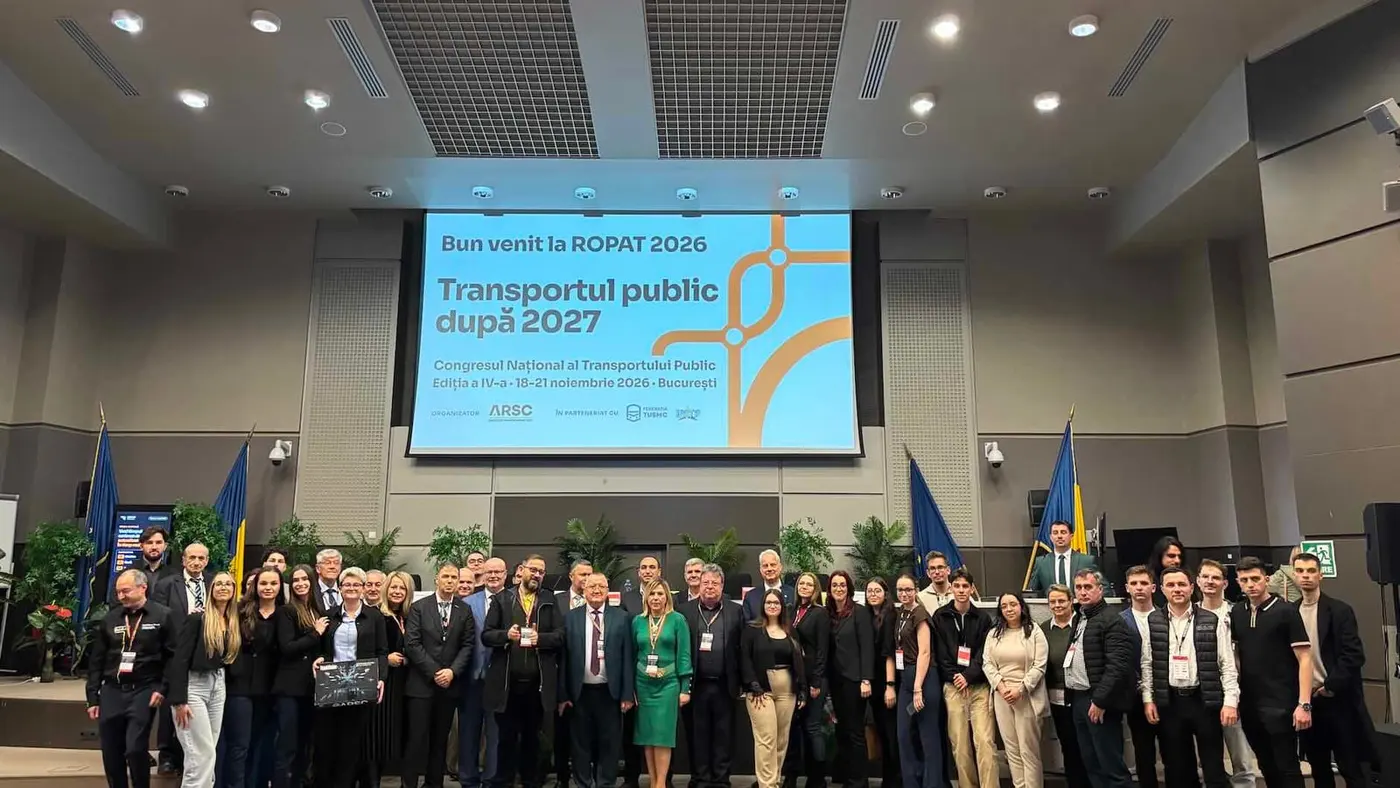
In Buzău, buses now travel the city's main boulevard in 12 minutes, compared with 25-30 minutes before dedicated lanes were built, according to Gică Toader, general manager of Trans Bus. In Iași, the operator needed two to three years to secure the power supply required for fast charging of its electric buses. In Oradea, technicians trained to maintain the trams left the company after the warranty expired. At ROPAT 2026, operators, authorities and funders discussed what is worth repeating and what must change before the next generation of investment.
At the fourth edition of ROPAT, the National Public Transport Congress, operators called for funding after 2027 to cover infrastructure, maintenance and staff training as well. The Romanian Smart City Association (ARSC) and the Federation of Urban, Suburban and Metropolitan Passenger Transport Operators (the TUSMC Federation) will bring the proposals together in the document on investment priorities for 2028-2034, scheduled for publication on 15 December 2026.
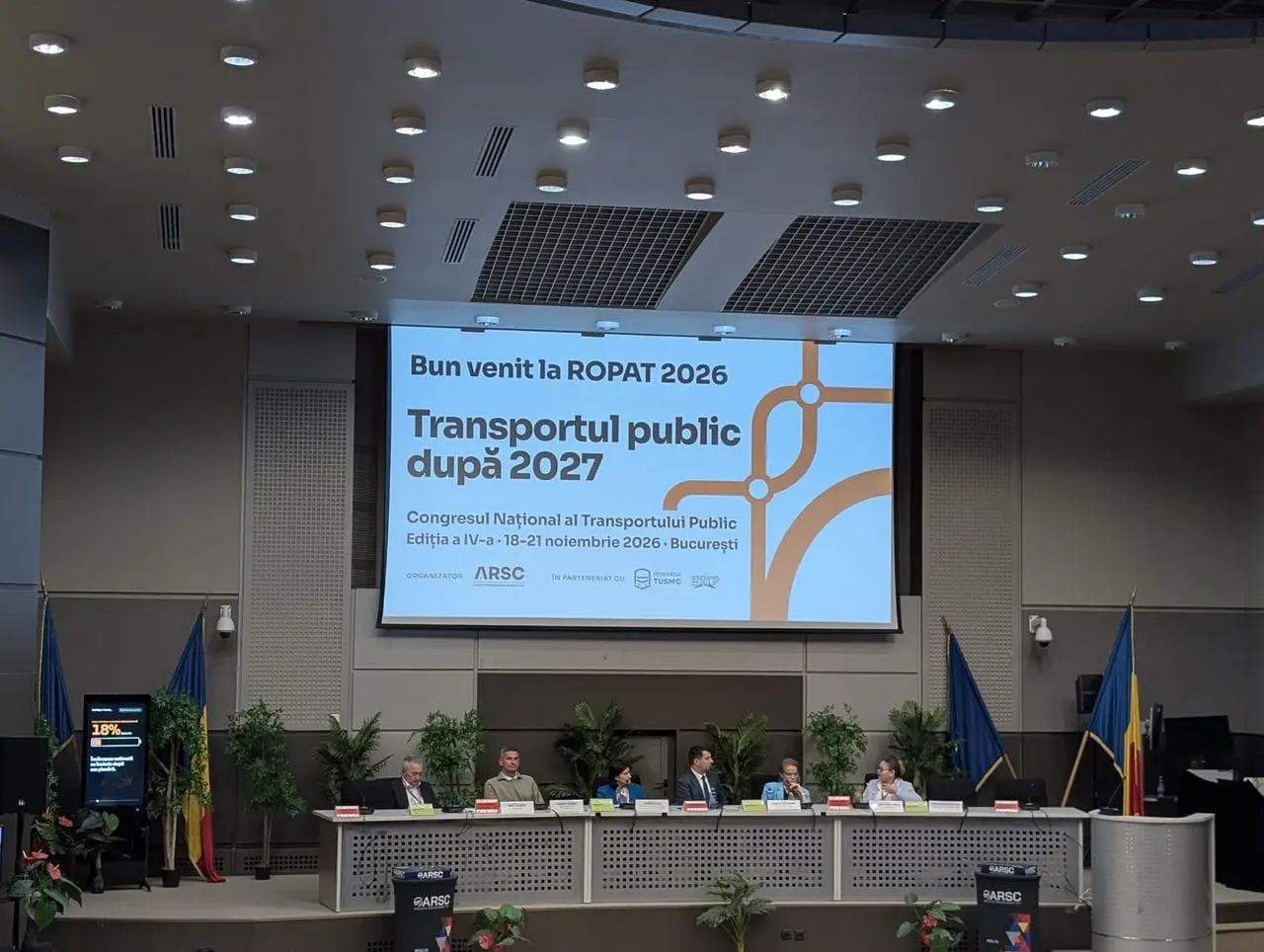
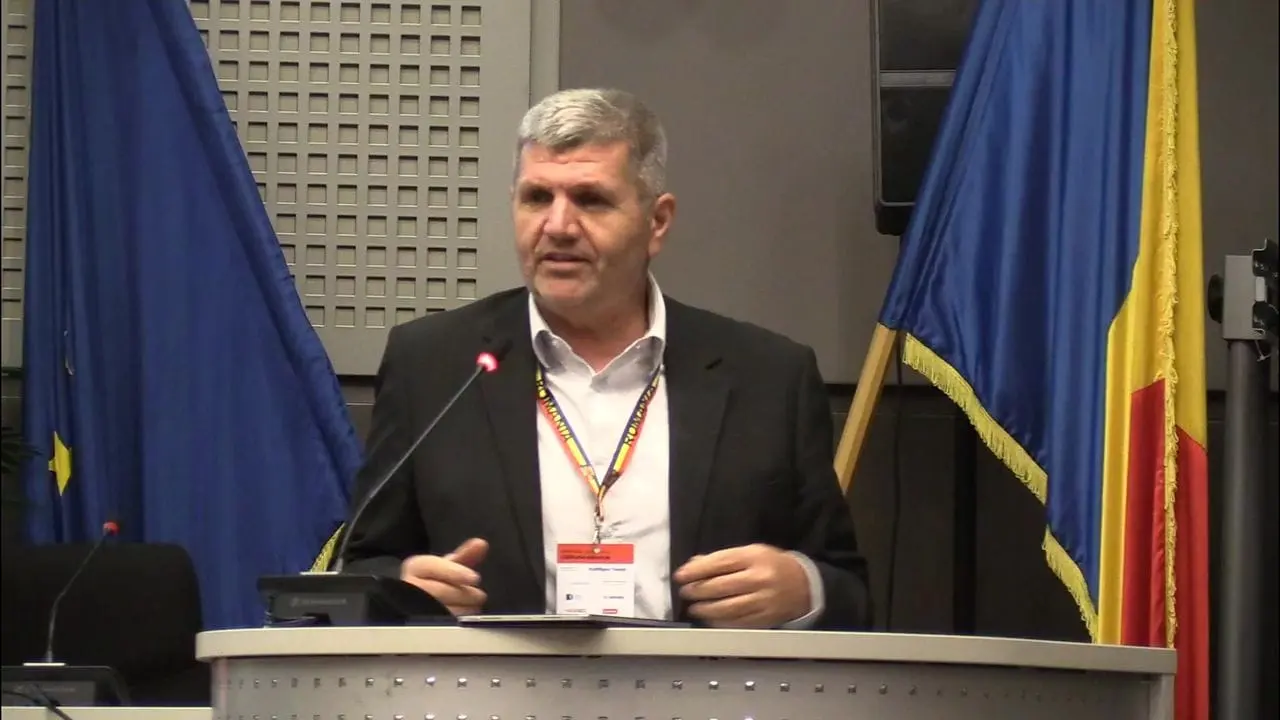
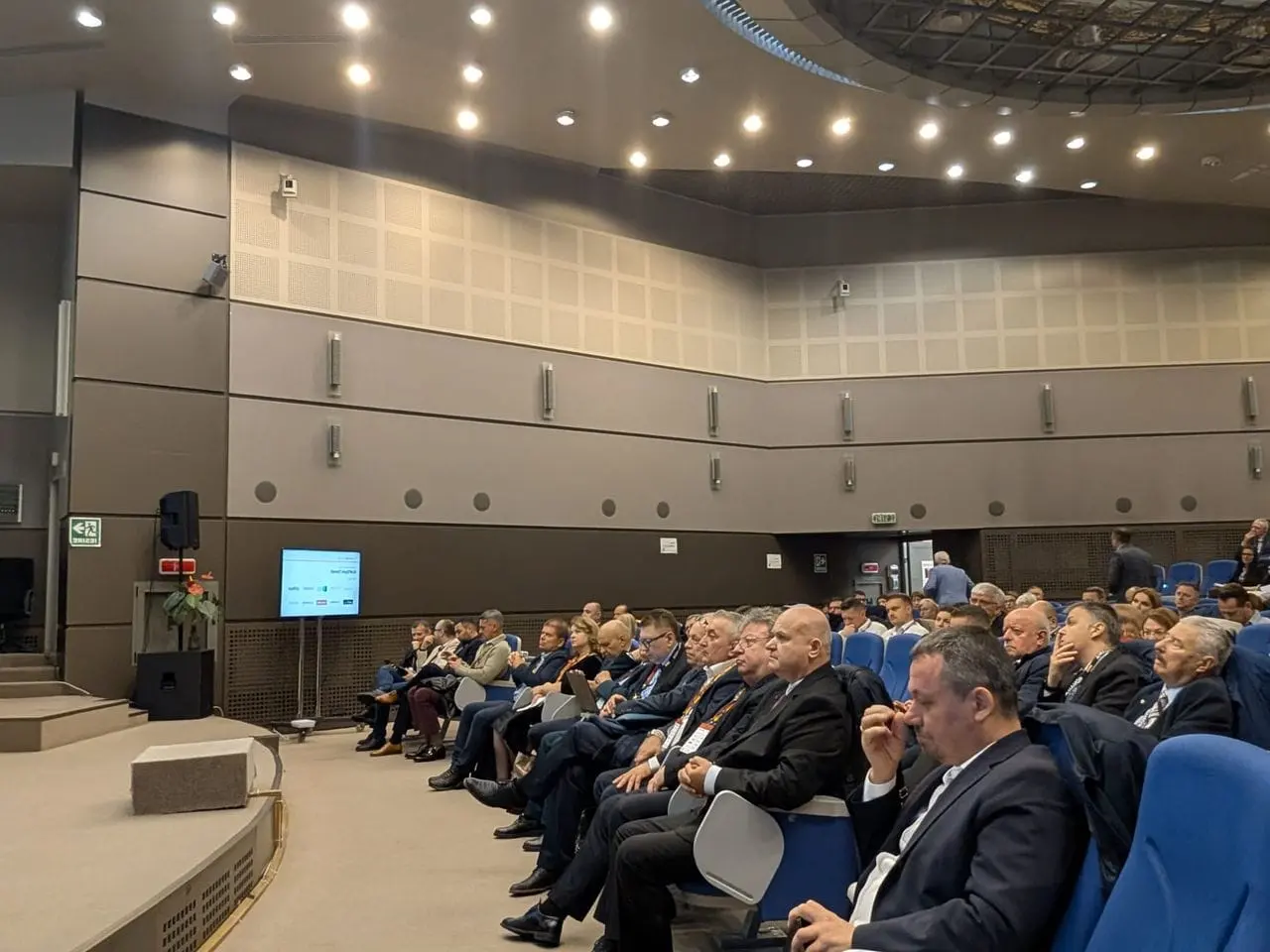
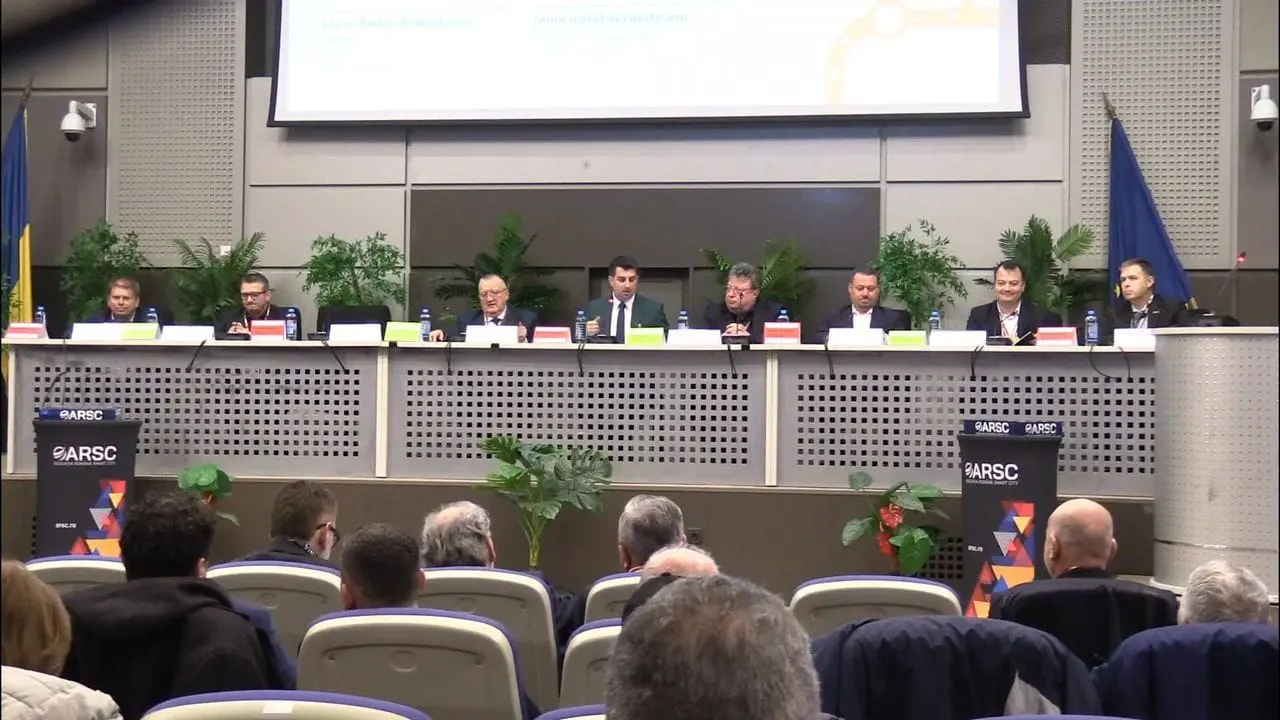
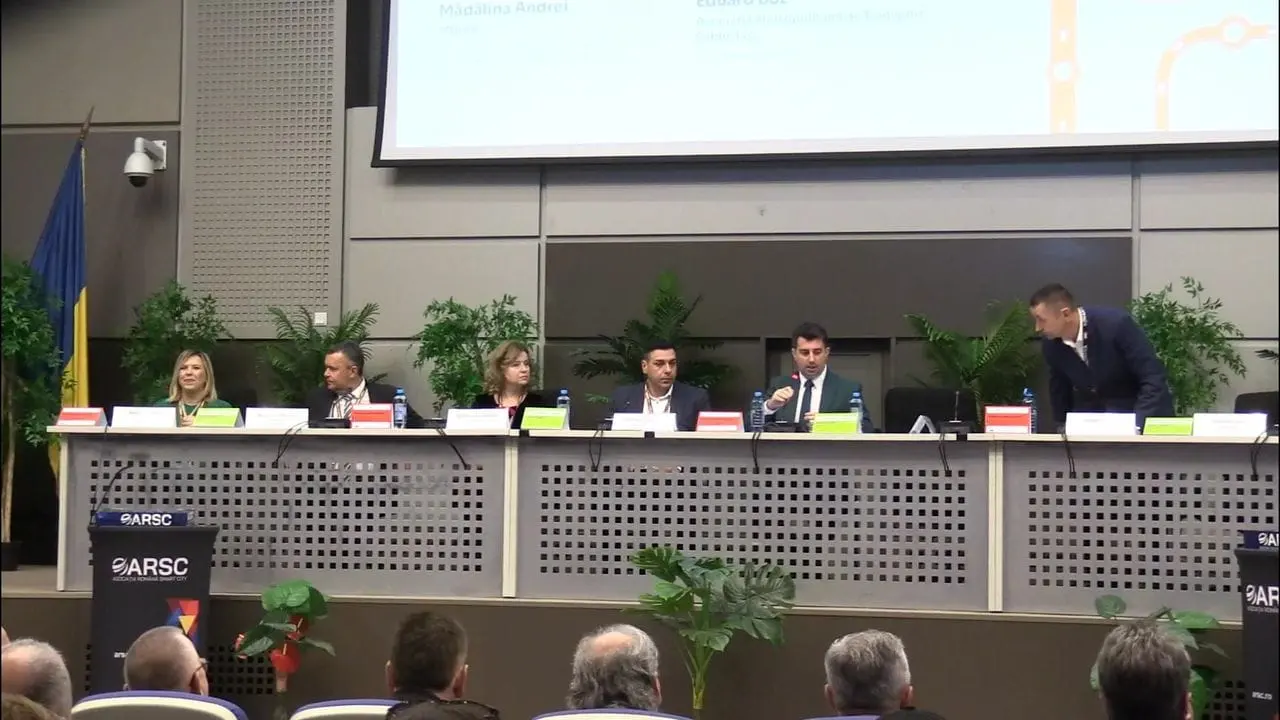
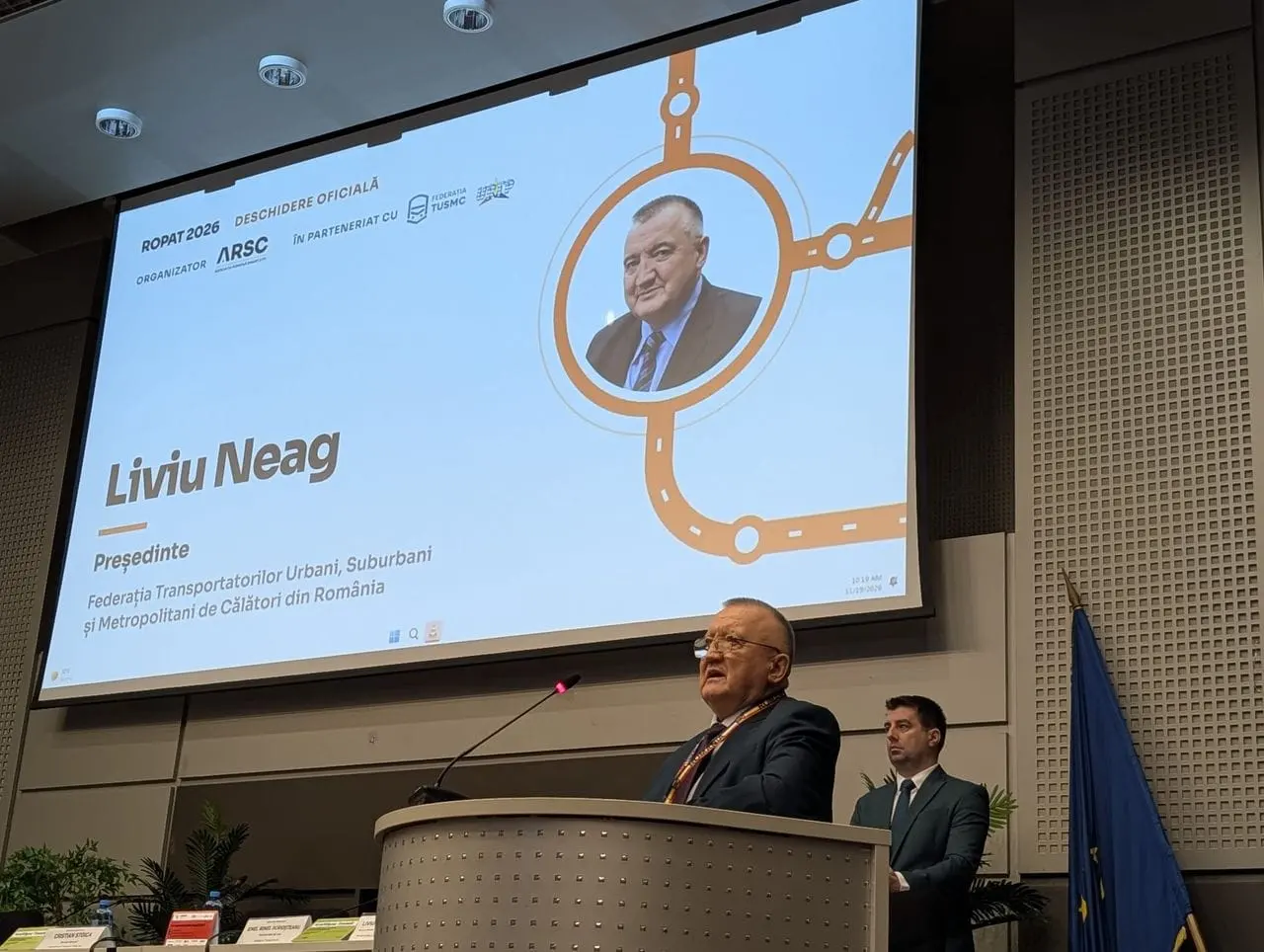
The conference on 19 November 2026, organised by ARSC in partnership with the Romanian Union of Public Transport (URTP) and the TUSMC Federation, took place at the National Institute of Statistics in Bucharest. The discussions brought together operators, intercommunity development associations and representatives of ministries, financial institutions, industry and universities. According to the estimate given at the opening by Eduard Dumitrașcu, president of ARSC, the transport operators and associations in the room represented around 30 counties.
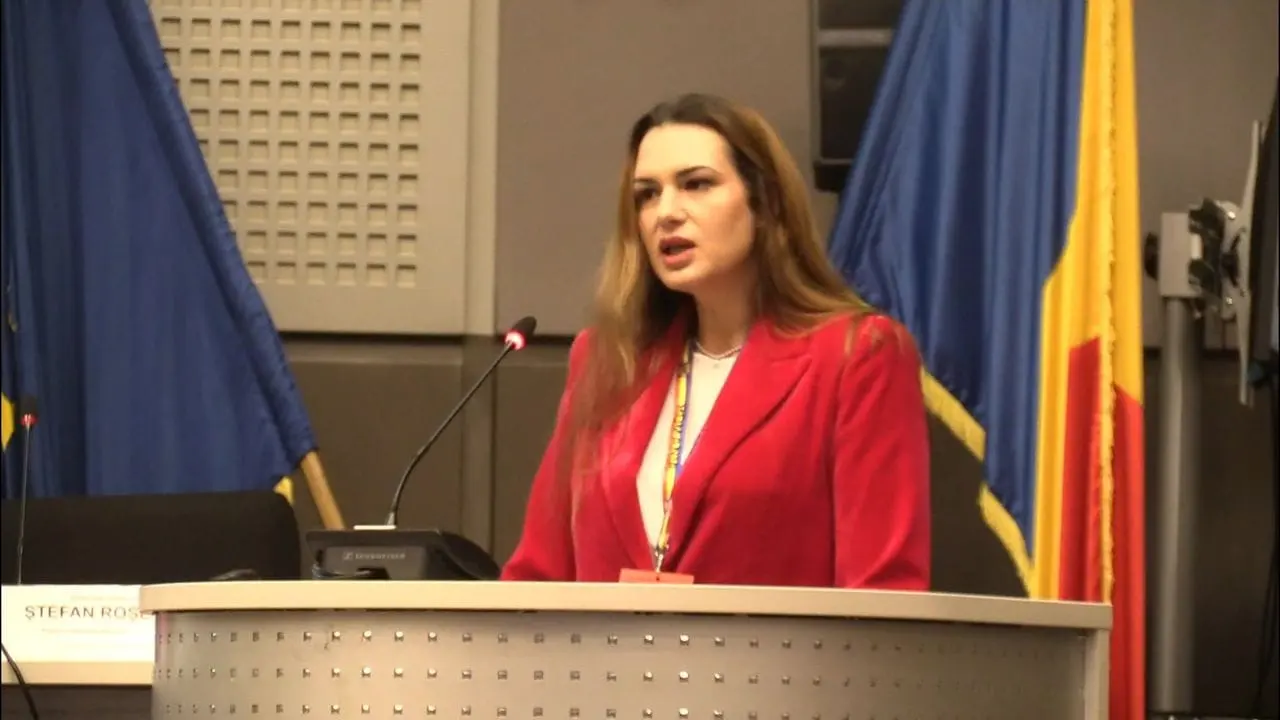
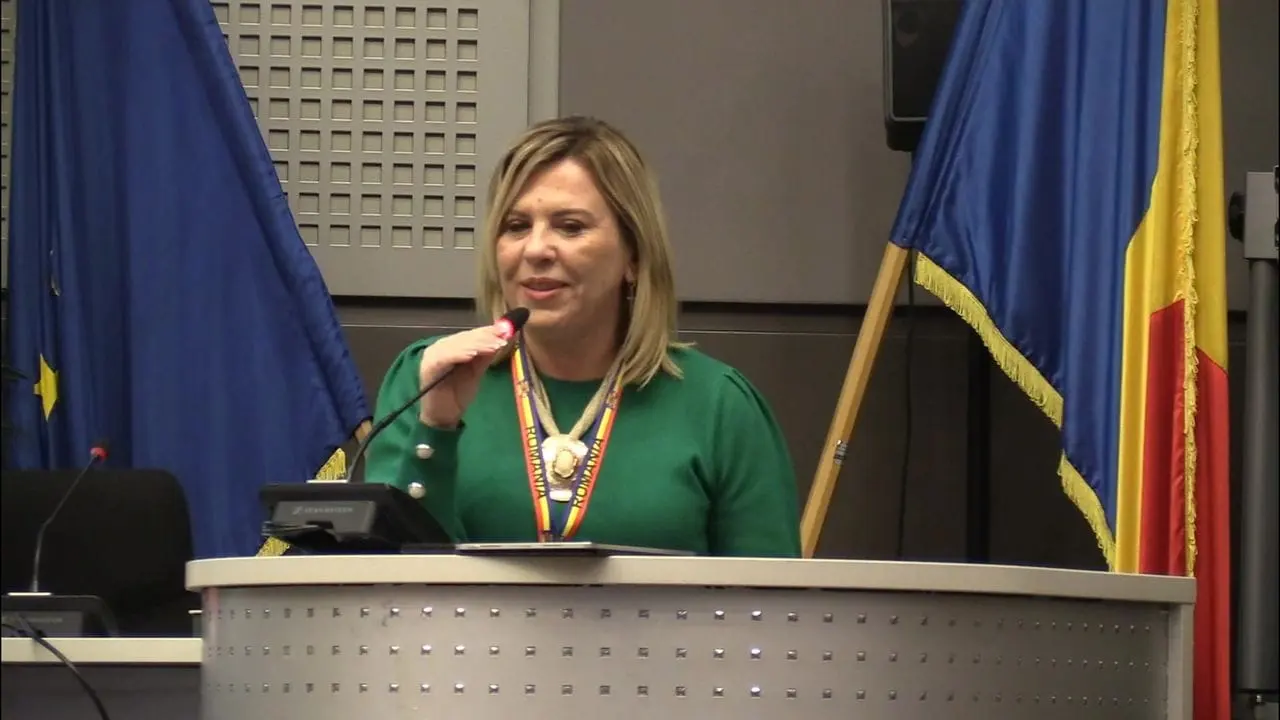
“We have often funded the investment very well and what comes after it less well. Operators have been left with modern fleets and with operating costs that local budgets struggle to bear”, said Anca Urda, Undersecretary of State at the Ministry of Investments and European Projects. Her observation recurred, in different forms, in the examples given by operators throughout the day.
Almost 5,000 vehicles and a lesson about the order of investment
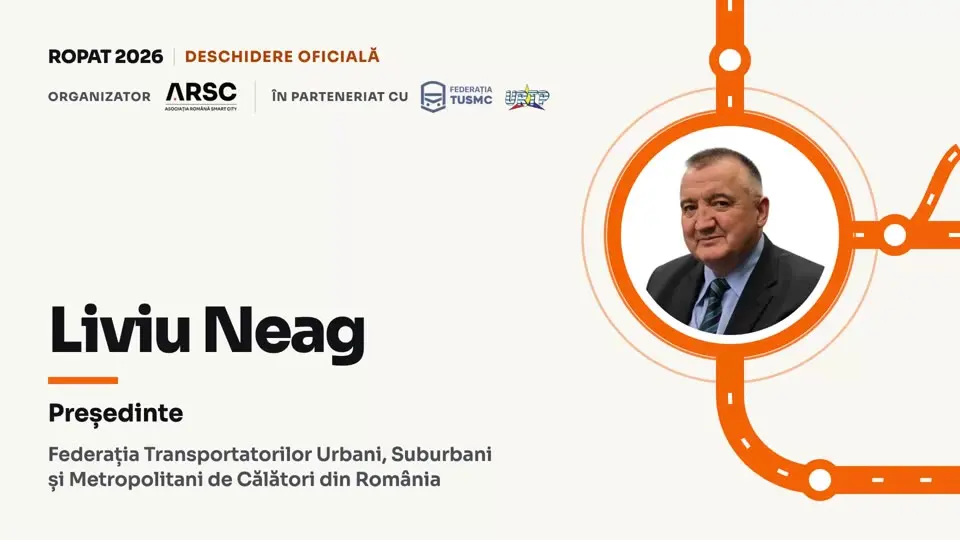
Liviu Neag, president of the TUSMC Federation, estimated that Romania has purchased almost 5,000 public transport vehicles in recent years, most of them with European funds. The experience of these projects also underlies the federation's request for the next funding period. Operators want to take part in preparing projects from the stage at which city halls decide what to buy and in what order to carry out the works.
Liviu Neag gave the example of the Polish city of Częstochowa, where building and equipping the depot, followed by modernising the track, came before the purchase of trams. Of some Romanian projects, he said simply:
“We bought trams and after that we set about modernising the line.”Liviu Neag, president of the TUSMC Federation
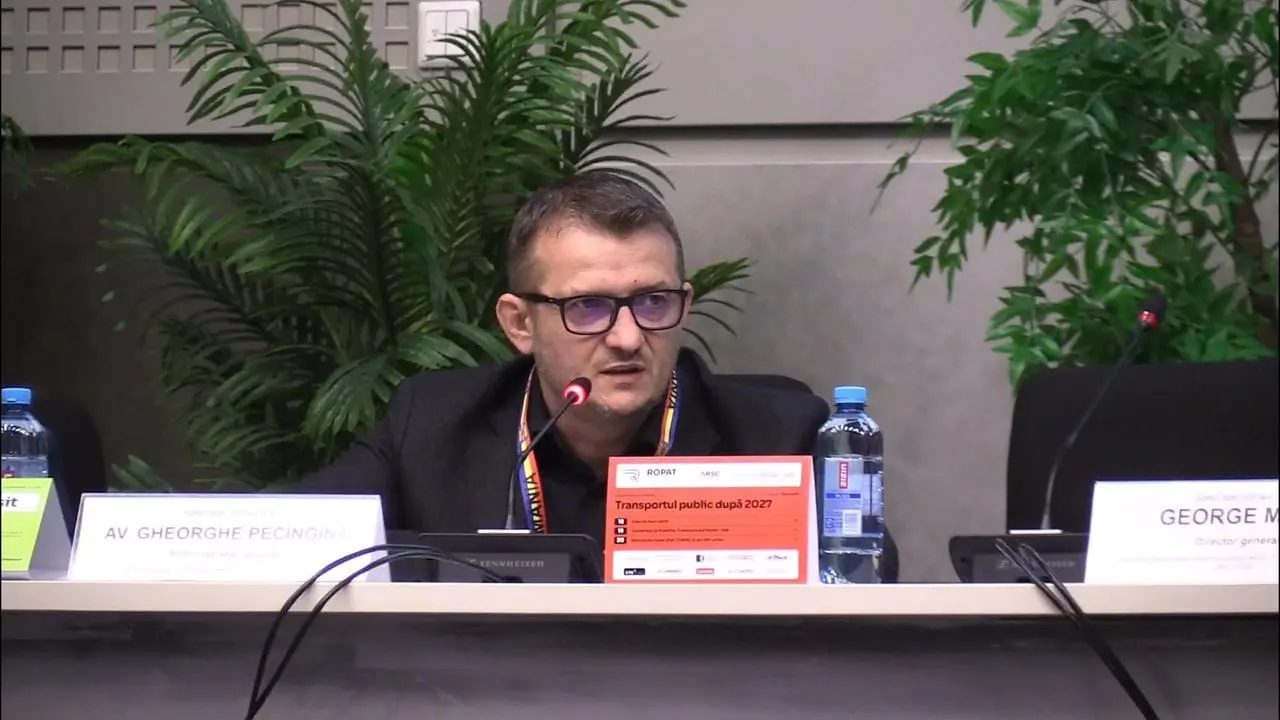
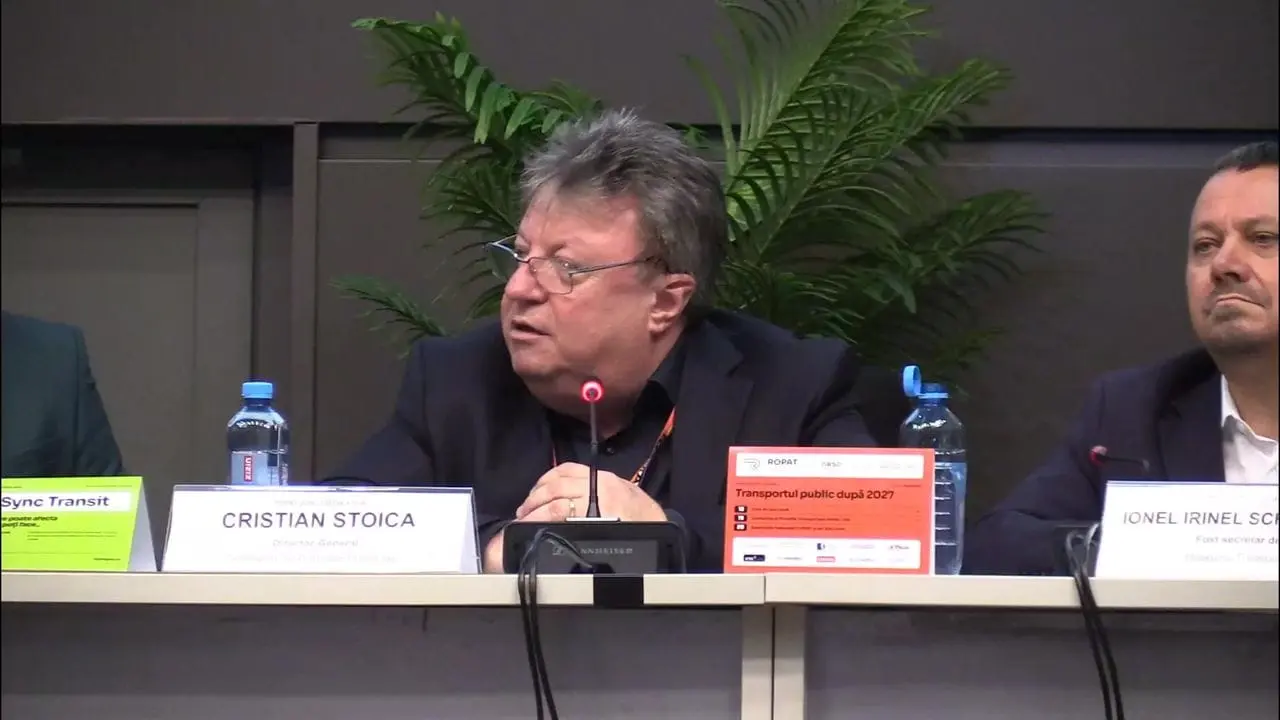
In Bucharest, the consequence can be seen in the workshop. Gheorghe Pecingină, special administrator of Societatea de Transport București, explained that trams running on worn lines need maintenance more often. In Iași, the order was different. “First we repaired the track”, said Cristian Stoica, general manager of Compania de Transport Public Iași. With electric buses, however, even after the purchase, the operator needed two to three years to secure the power supply required for fast charging.
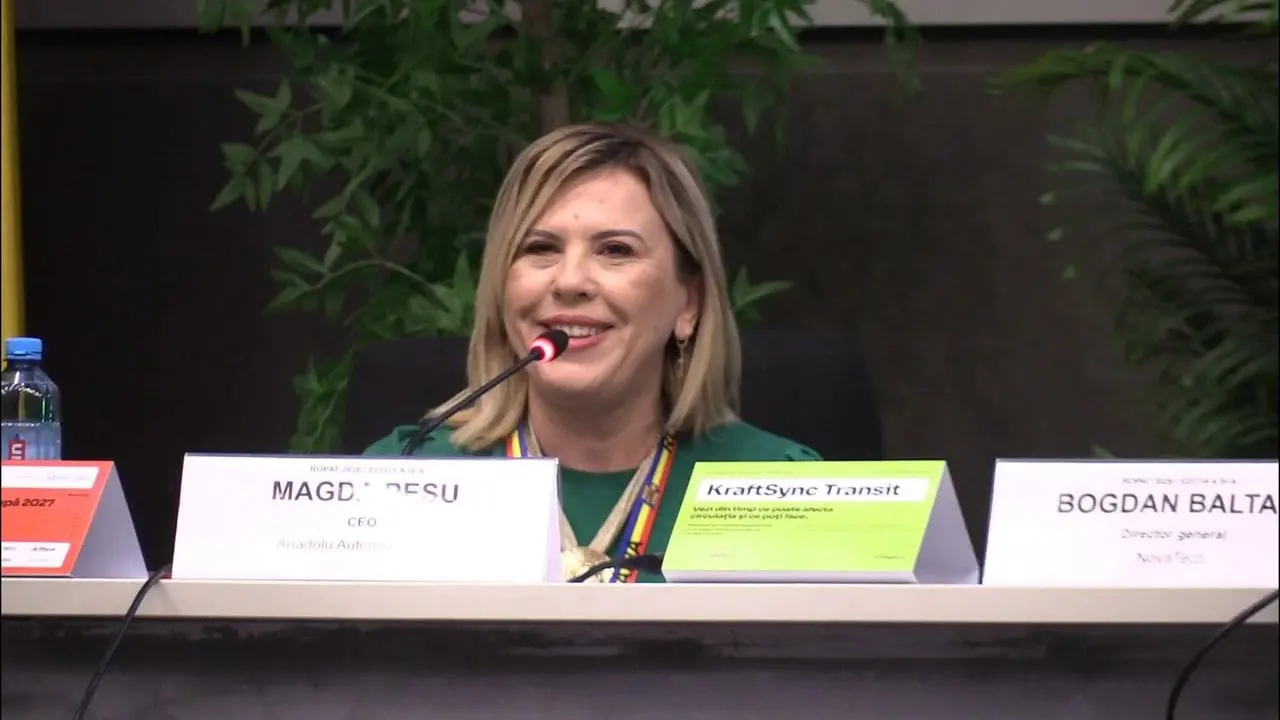
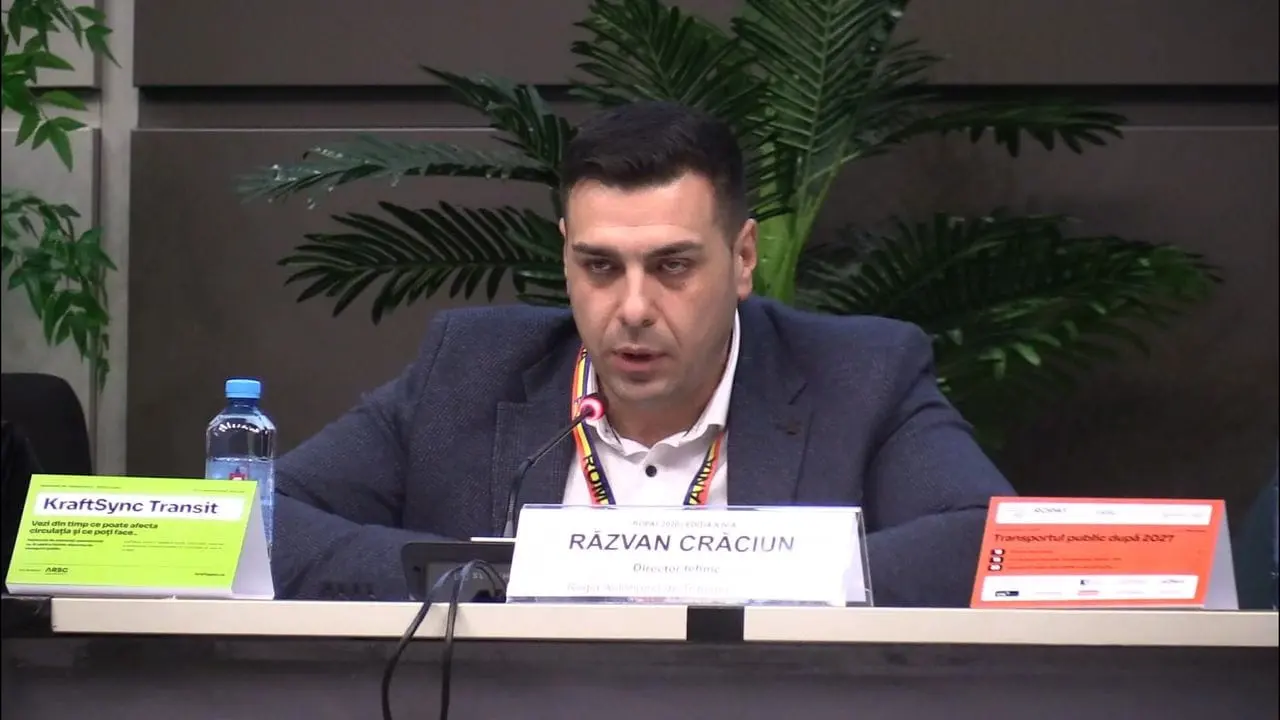
“Today you are already modernising complex mobility systems”, Eduard Dumitrașcu told the operators. In Brașov, the scale of this change can be expressed in megawatts. Răzvan Crăciun, technical director of the local operator, described the project under which the power available at the new depot is set to reach around 10 MW. From the supplier's perspective, Magda Peșu, general manager of Anadolu Automobil Rom, identified the same difficulty. Vehicles can be delivered on time, while the grid connections and permits on which charging stations depend run to their own timetable.
Who maintains the tram once the warranty expires
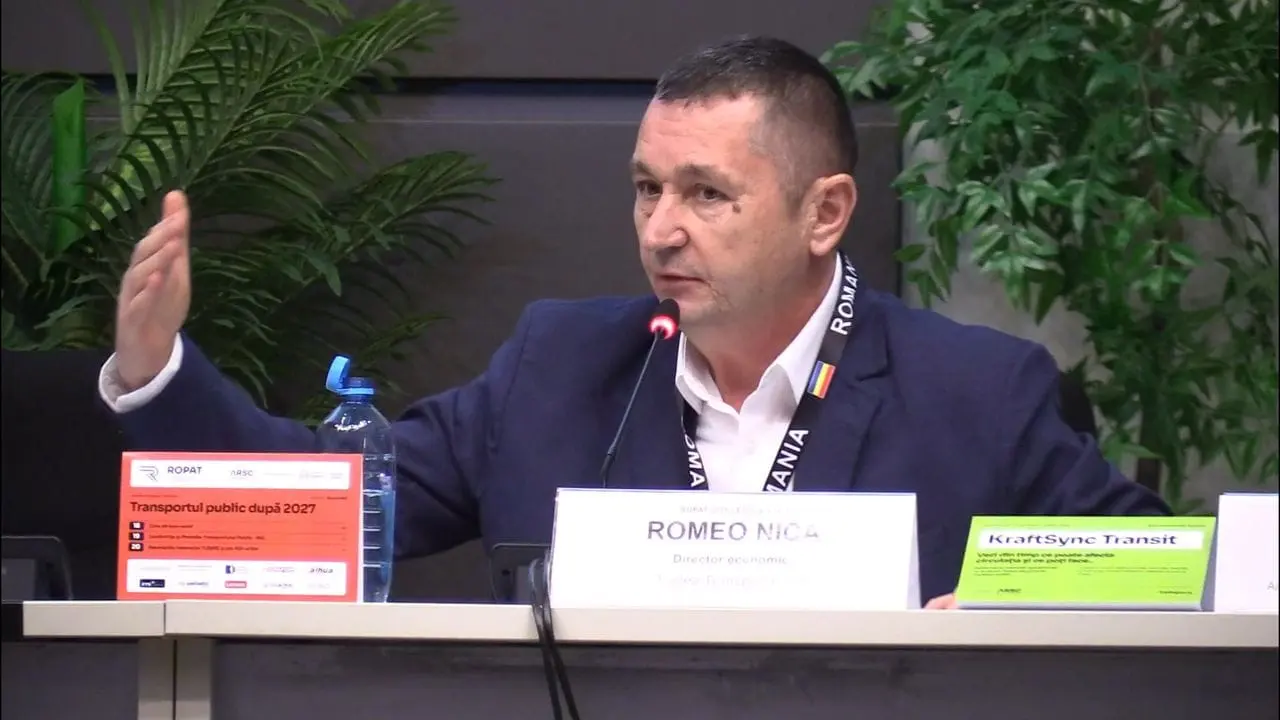
In Oradea, the difficulty emerged after years of operation. Romeo Nica, finance director of Oradea Transport Local, recounted how technicians who had worked alongside the supplier and learned to maintain the trams left just when the operator needed them most.
“We could no longer pay them at a level that would keep them in the company. And they left.”Romeo Nica, finance director, Oradea Transport Local
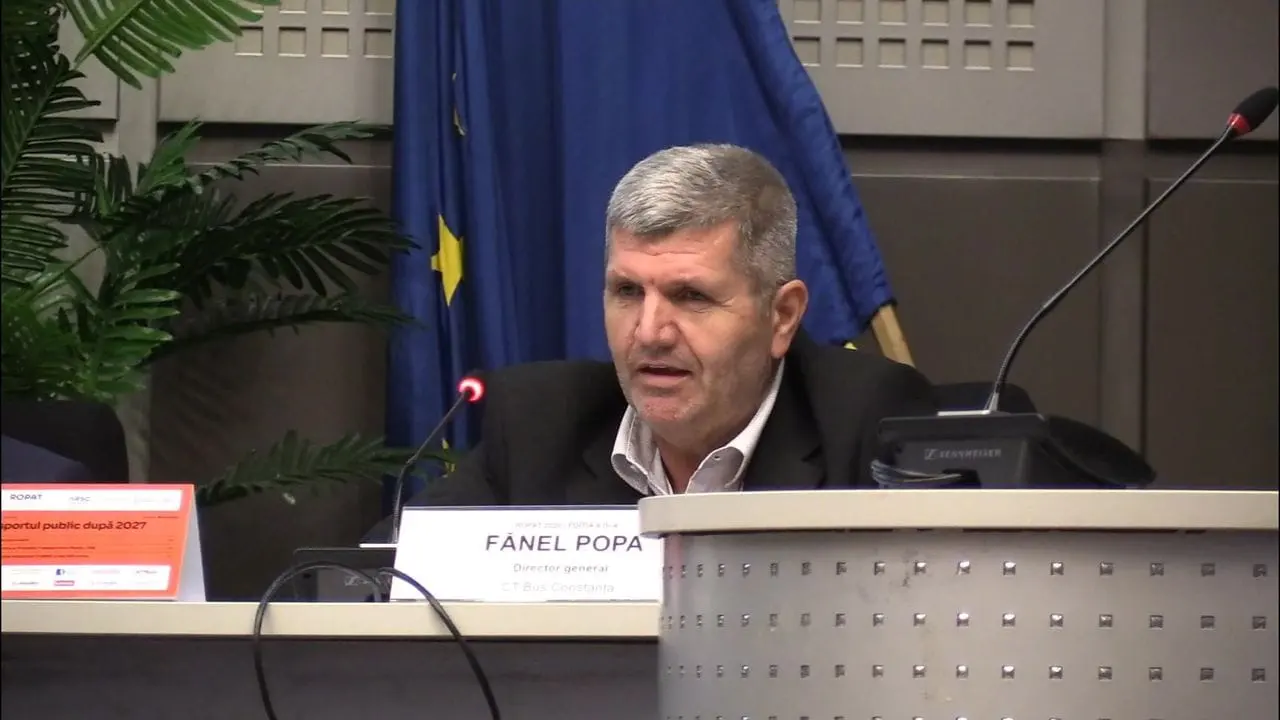
Romeo Nica called for future projects to include measures enabling operators to retain specialists. In Constanța, Fănel Popa, general manager of CT Bus, gave the example of a recruitment competition for mechanics. There were two candidates, and one of them did not turn up. In the workshop, the team must be able to work both on buses built in 2004 and on new-generation electric vehicles.
Who takes the wheel at four in the morning?
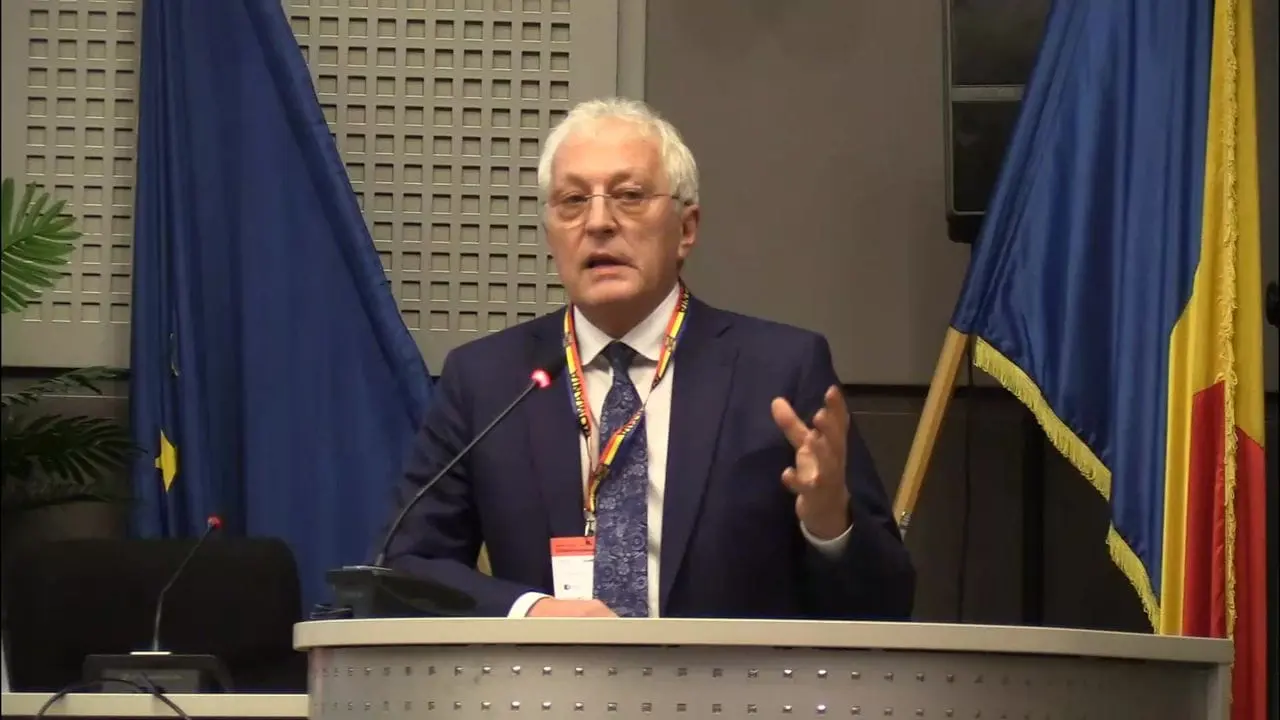
Gábor Sándor, founder of the Institute for Vocational Training in Road Transport, asked the directors to imagine an inauguration. Officials cut the ribbon, television crews film the new bus, and someone in the audience asks who will drive it the next day, at four in the morning, on the first service. The question moved the discussion about the driver shortage from recruitment to the conditions in which people choose to stay.
Gábor Sándor recommended that operators find out what keeps long-serving drivers in the company. He spoke about the respect given to the profession and about regular training, beyond renewing the professional certificate. For directors planning purchases up to 2030, his argument was that staff training must keep pace with vehicle deliveries.
In Buzău, the effect of a dedicated lane is measured by the clock
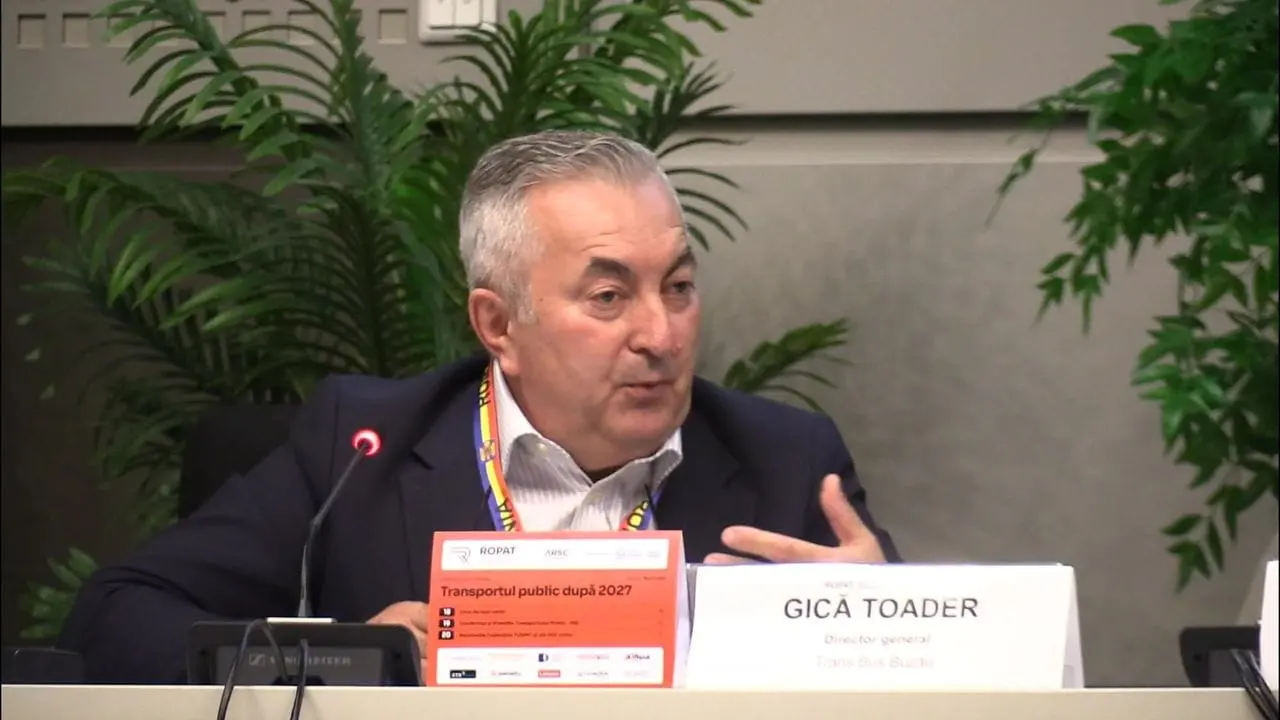
Gică Toader, general manager of Trans Bus Buzău, brought to the funding panel a result measured by the clock. On the main boulevard running through the city, buses now travel on dedicated lanes in the middle of the road. According to the general manager, the journey along the boulevard takes 12 minutes, compared with 25-30 minutes before the modernisation. For the passenger, the gain is time. For the operator, the higher commercial speed has reduced the cost per kilometre.
In Buzău, the investment continued in the workshop. The company obtained authorisation for its own electric bus service centre and trained its staff for each make in the fleet, so that vehicles can return to service more quickly. For future funding, Gică Toader called for greater flexibility for investment in bus depots and in generating the energy operators need every day.
A commuter's journey begins beyond the city limits
The Străulești car park illustrated a metropolitan planning problem. For a driver coming from the direction of Mogoșoaia, a large part of the traffic jam is already behind them by the time they reach the metro. The location at which they can leave the car influences the decision to continue by public transport. On the rail link between Gara de Nord and Otopeni Airport, the station in Mogoșoaia shows the other side of the coin: a train designed for airport access is also useful to people commuting to work.
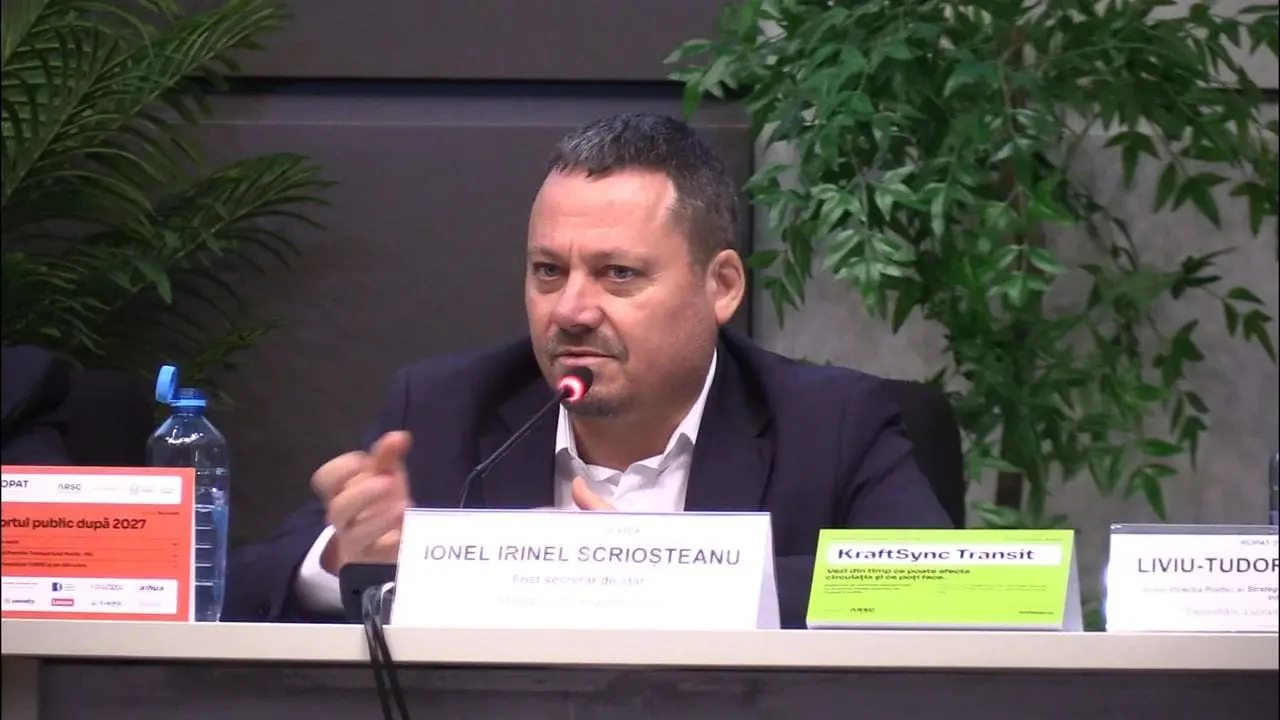
Ionel Irinel Scrioșteanu, former State Secretary at the Ministry of Transport, urged operators and local authorities to support continued funding for metropolitan trains and to set out their priorities while the European programmes are being prepared.
“Don't wait to be told what can be funded.”Ionel Irinel Scrioșteanu, former State Secretary at the Ministry of Transport
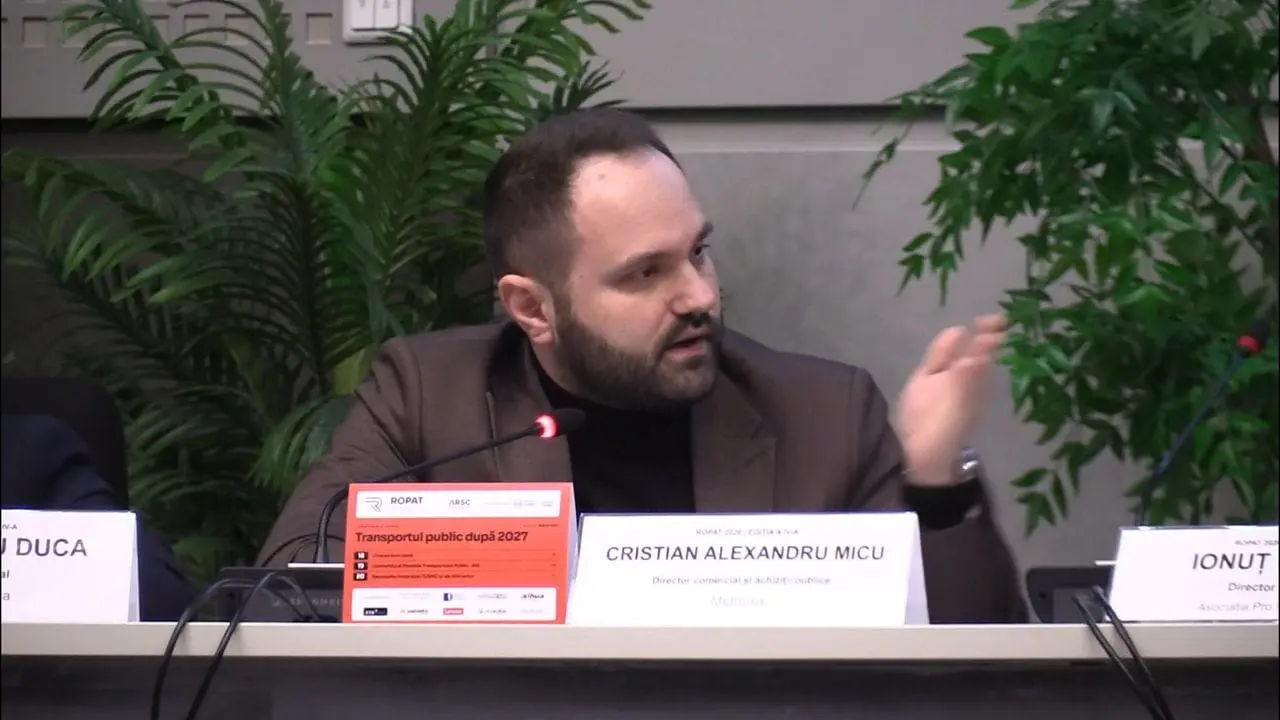
At Metrorex, Cristian Alexandru Micu, commercial and public procurement director, described the criterion by which the passenger judges an investment such as paying by phone: “What matters to him is getting there quickly and knowing he doesn't have to queue.”
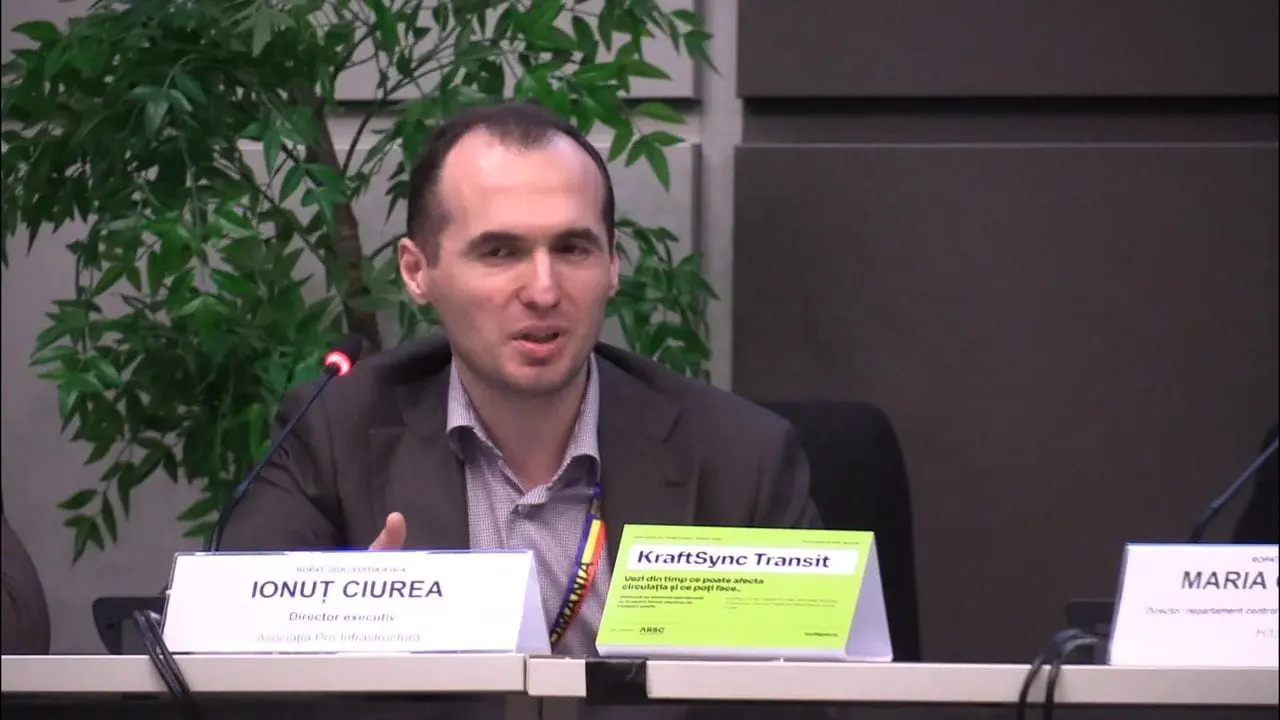
In the panel devoted to passengers, Ionuț Ciurea, executive director of Asociația Pro Infrastructură, called for streets to be designed starting from pedestrians and public transport users. The change requires difficult decisions from administrations, from reallocating lanes to providing access to stops. “We won't do this if we don't have an alternative to the car”, Ionuț Ciurea said of the decision to leave the car at home.
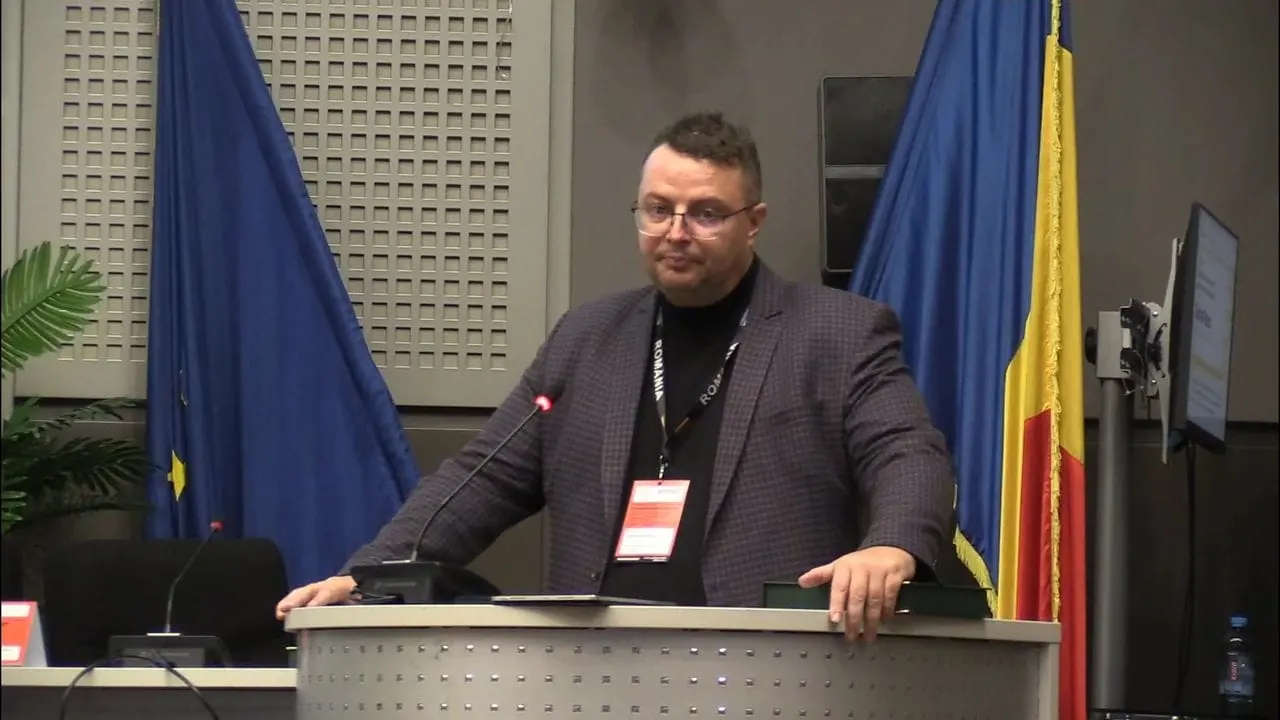
In Suceava, the effect of extending the network can be seen in a family's commuting budget. Gabriel Petruc, general manager of Transport Public Local Suceava, said that in some communities a journey that used to cost 8 or 9 lei with the private operator now costs 3 lei. In villages outside the metropolitan network, some parents drive their children to the end of the line. From there, the pupils continue their journey to school by bus. Gabriel Petruc identified the next investment need here: extending the service to the localities still outside the network.
Timișoara. What route data shows and what happens when the charging stations stop
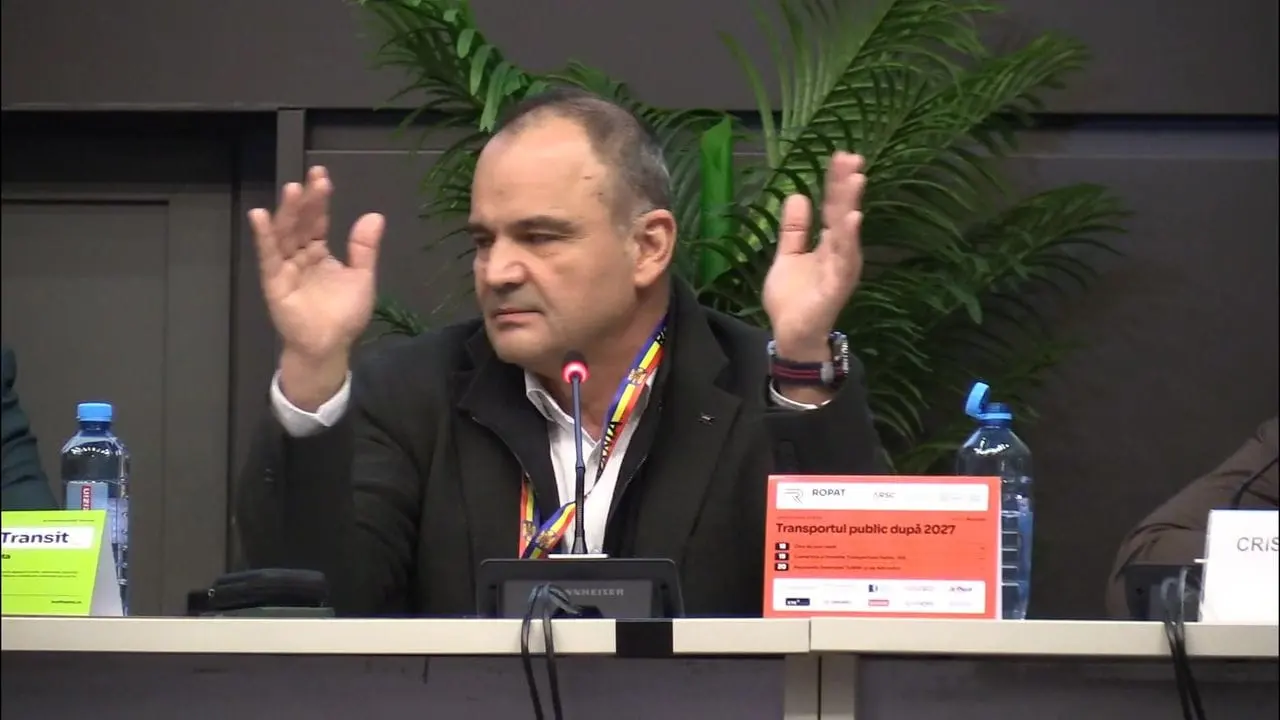
Florin Petolea, general manager of Societatea de Transport Public Timișoara, explained what an operator can do with the positions that vehicles transmit every three seconds. If the schedule allows two minutes between two stops and drivers consistently cover the distance in two minutes and 40 seconds, the delay is written into the timetable itself. With times measured on the route, the operator can publish a schedule closer to actual traffic conditions.
Florin Petolea also described an application under development that compares the number of people boarding with tickets sold and validations recorded, in order to direct inspection teams. According to Florin Petolea, the internal indicator that STPT calls the “fraud rate” exceeded 30%. This also includes journeys for which passengers are entitled to travel but do not validate.
“In Timișoara we had a cyberattack that shut down all our charging stations.”Florin Petolea, general manager of STPT
Separately, Florin Petolea reported an attempt to access the vehicle management system. The general manager explained that operators describe the engine, brakes and turning radius in detail when buying buses, whereas the specifications used by STPT until now have lacked cybersecurity requirements. The company is working with university specialists from Timișoara on requirements for on-board equipment.
What a city must demonstrate before applying for funding
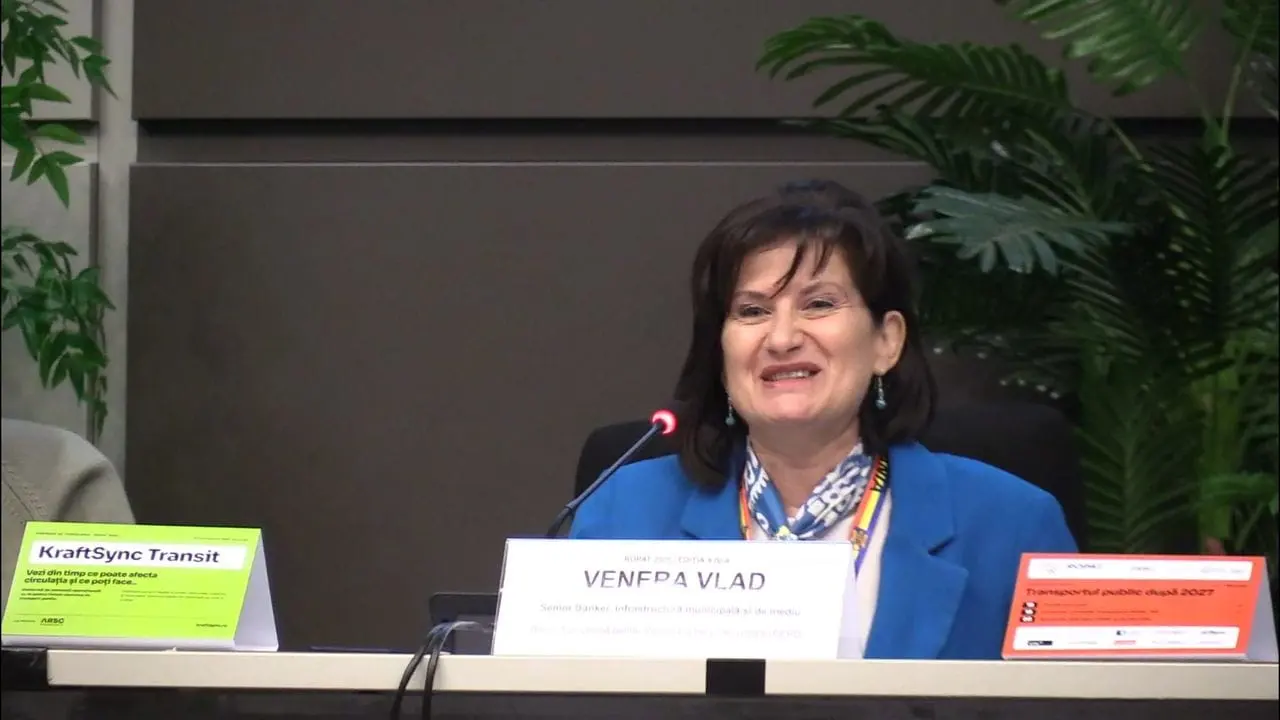
Venera Vlad, representative of the European Bank for Reconstruction and Development (EBRD), explained why the public service contract matters when an operator wants to invest in its fleet. The funder needs to understand what revenue the company relies on, how much time it has and how it can sustain the investment. “That means investment capacity, financing capacity and a functioning public service contract”, she said. In addition to support for fleets, mobility plans and contracts, the EBRD is increasingly receiving requests for assistance with energy audits, digitalisation and cybersecurity.
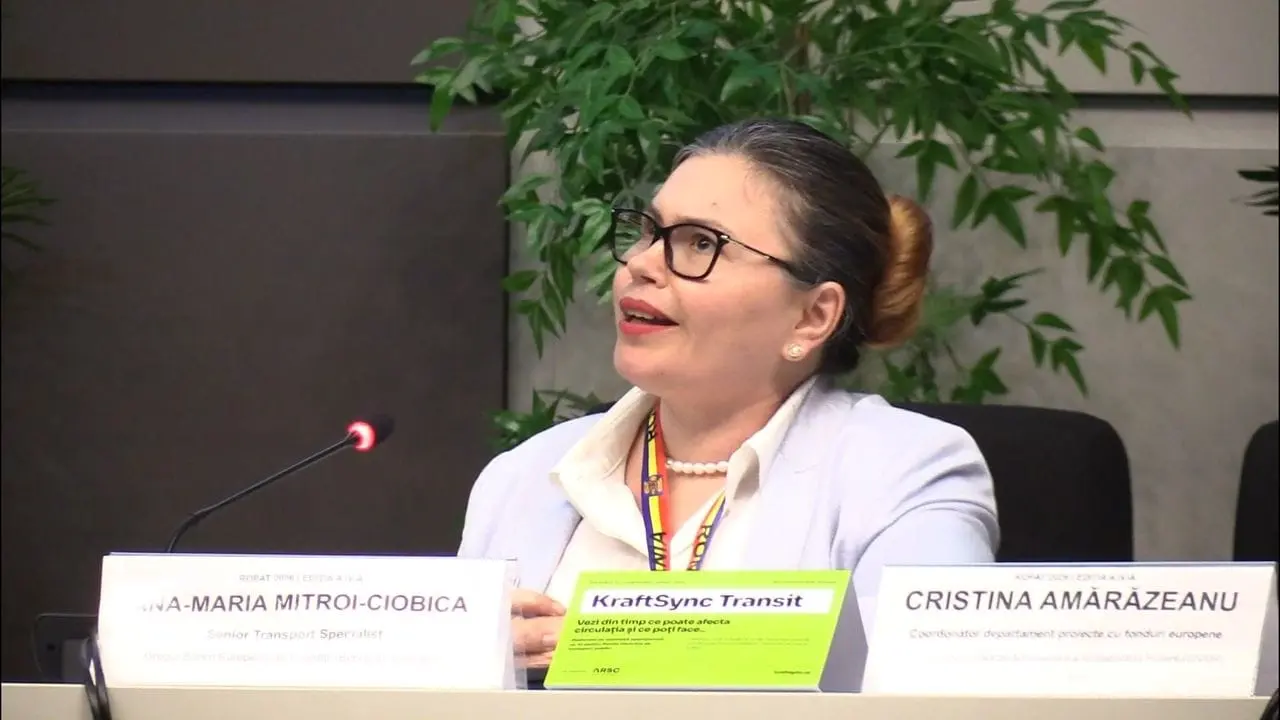
Ana-Maria Mitroi-Ciobîcă, transport specialist at the European Investment Bank Group, estimated the loans granted by the EIB to public transport in Romania over more than two decades of activity at around two billion euros. “The investment cost is only the first part of the project equation”, she said. For future projects, she called on cities to start from the journeys they need to provide for and to plan the network and services together. A study justifying the purchase of vehicles must also be able to explain which routes they will run on, which passengers they will serve and from what revenue the operator will cover the operating costs.
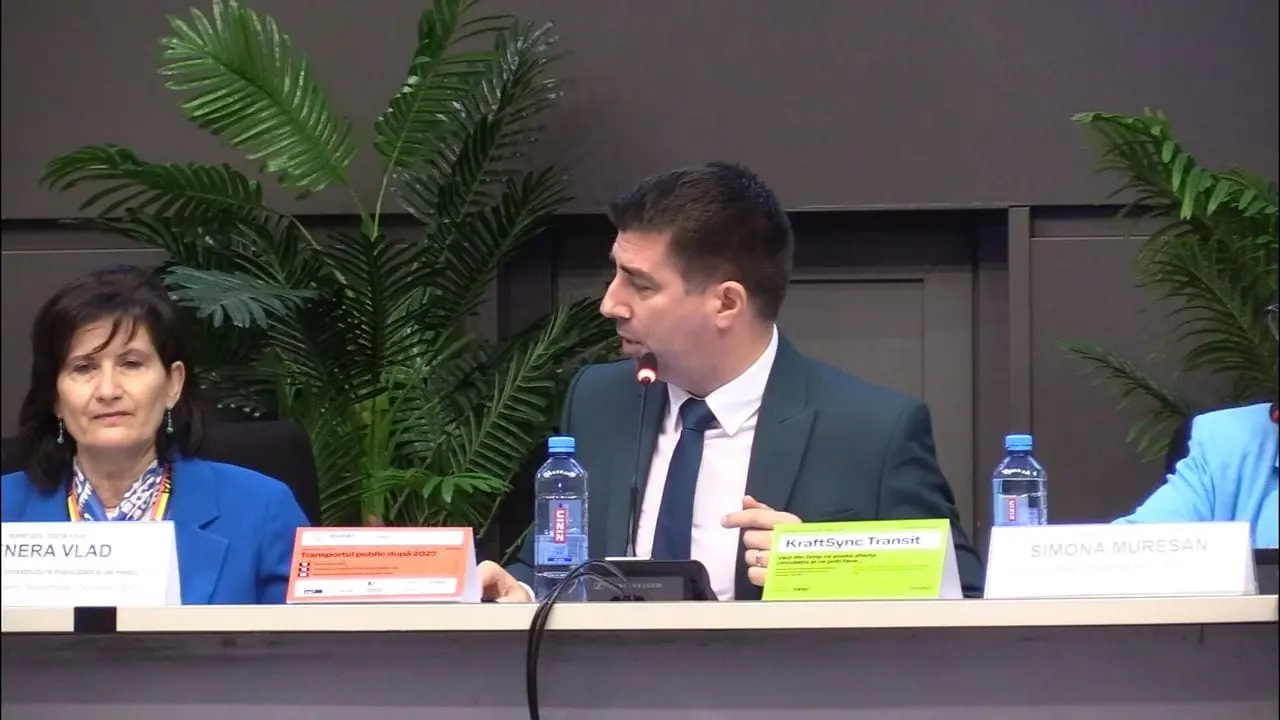
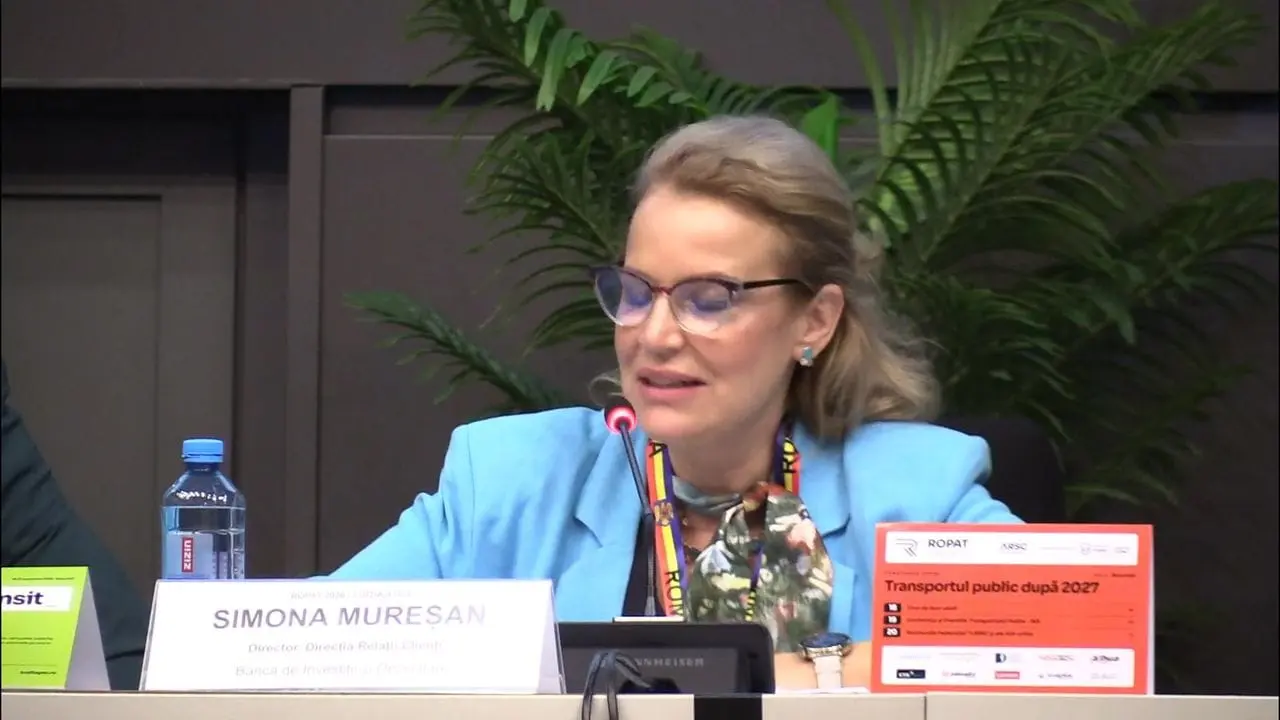
Simona Mureșan, on behalf of the Investment and Development Bank (BID), explained where a national development bank can step in. Transport projects need long-term money, which commercial banks may hesitate to cover on their own. The role of BID, she said, is to mobilise additional capital for investments with public impact. At the end of the debate, the organisers announced that ARSC and the Investment and Development Bank had signed a cooperation protocol.
Six student projects and the Romanian public transport awards
In the hackathon final, six student teams presented their projects to a jury made up of the heads of the operators from Cluj-Napoca, Iași and Constanța. One of the projects started from a familiar situation: you get off at a stop you do not know and have no idea which way to go. The team proposed a panel showing what can be found within a five-minute walk. At Universitate, in Bucharest, it would point the way to Colțea Hospital, the National Theatre and the Old Town. Inside the bus, the students proposed using the existing screens to display connections with other lines and the time to the next stop.
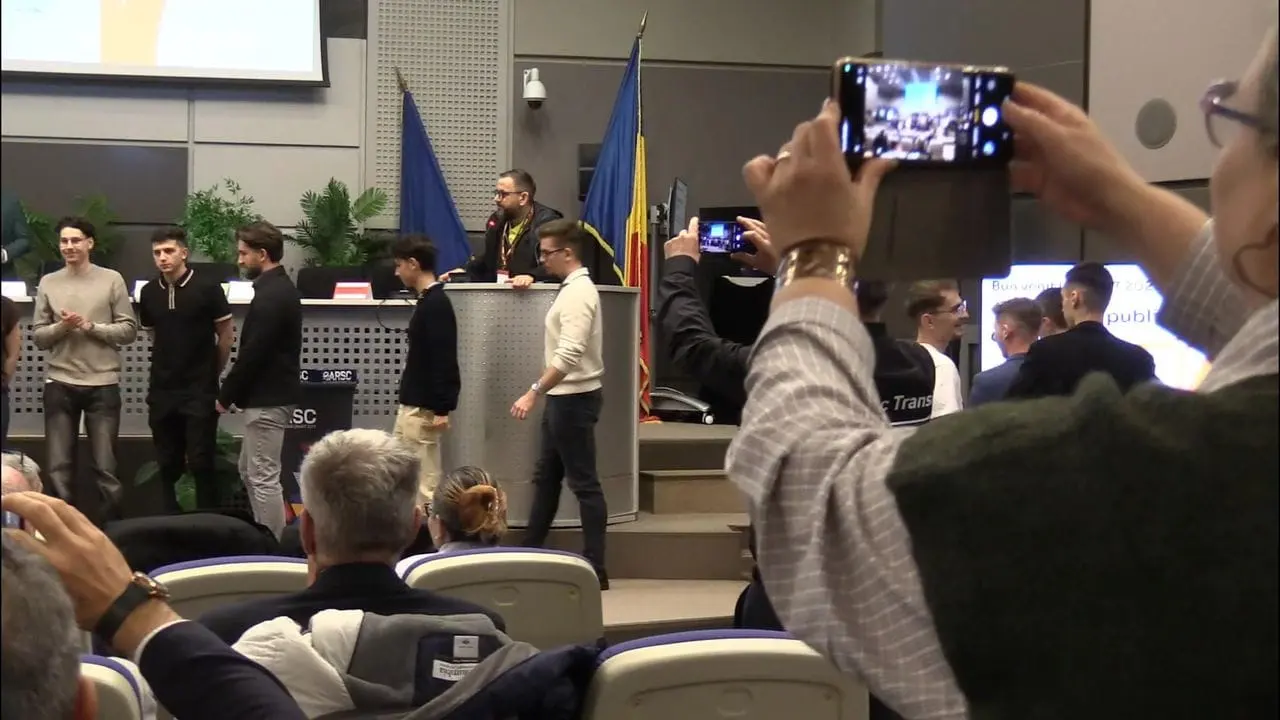
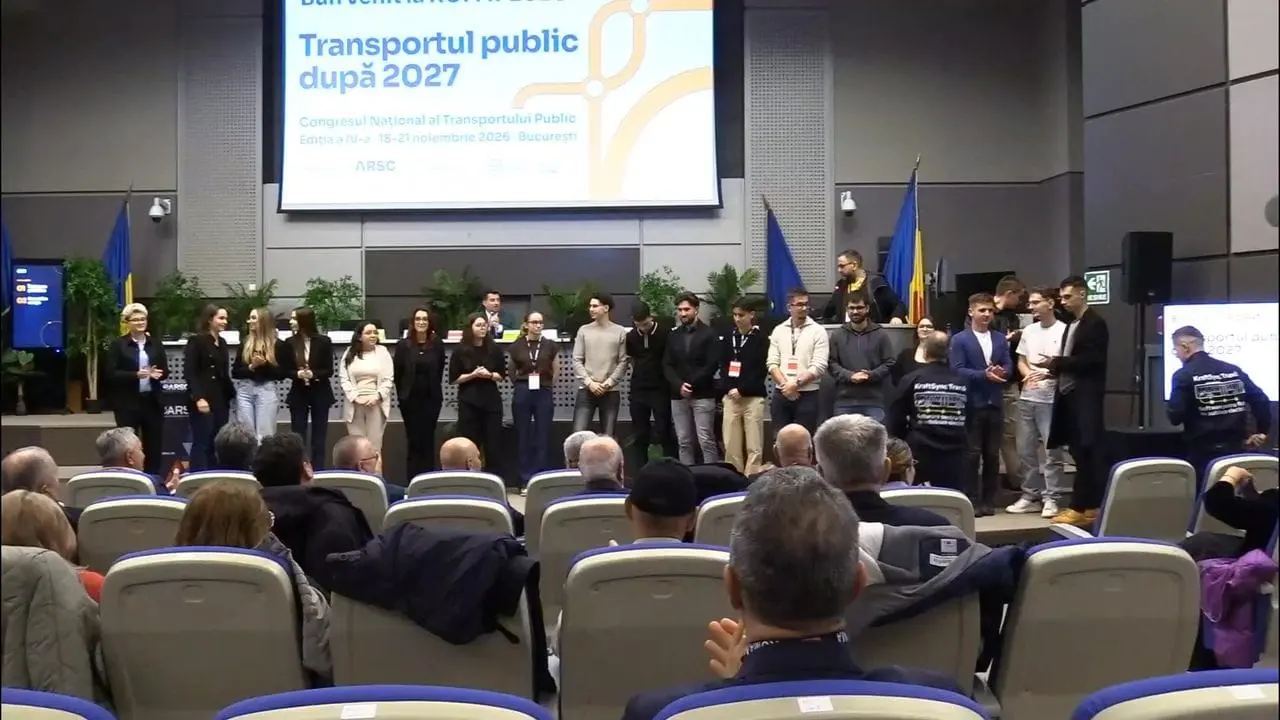
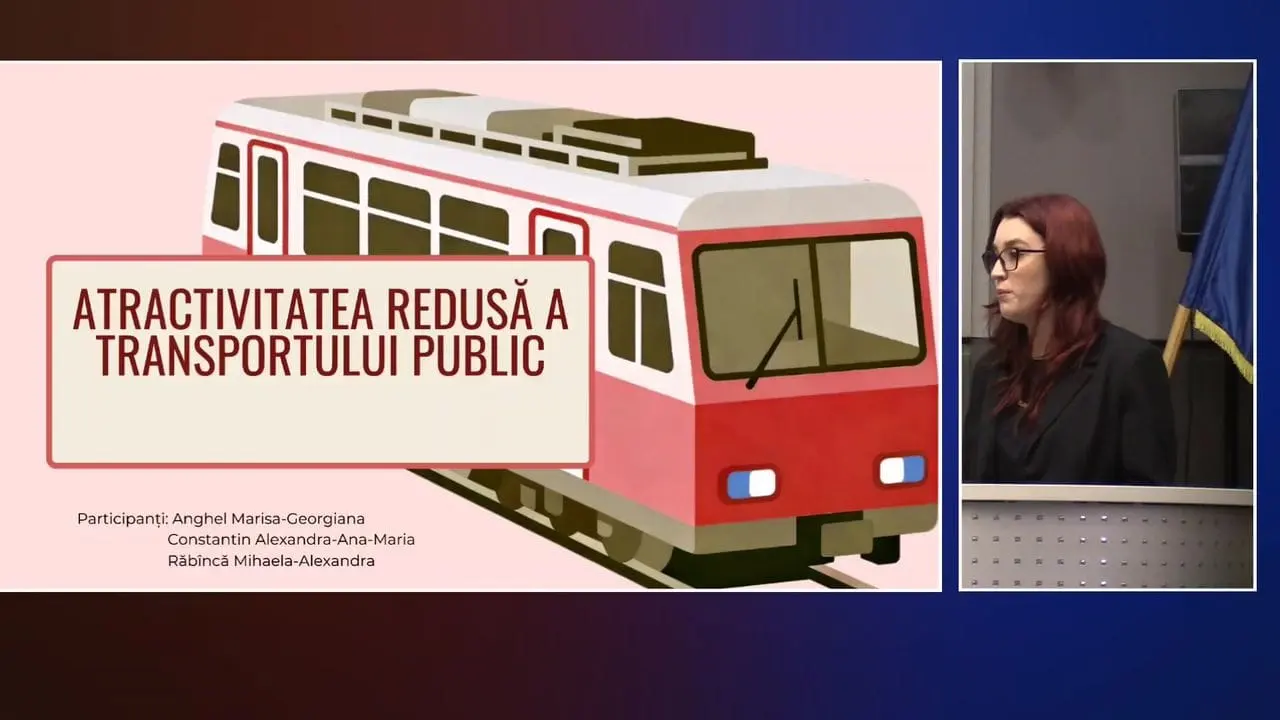
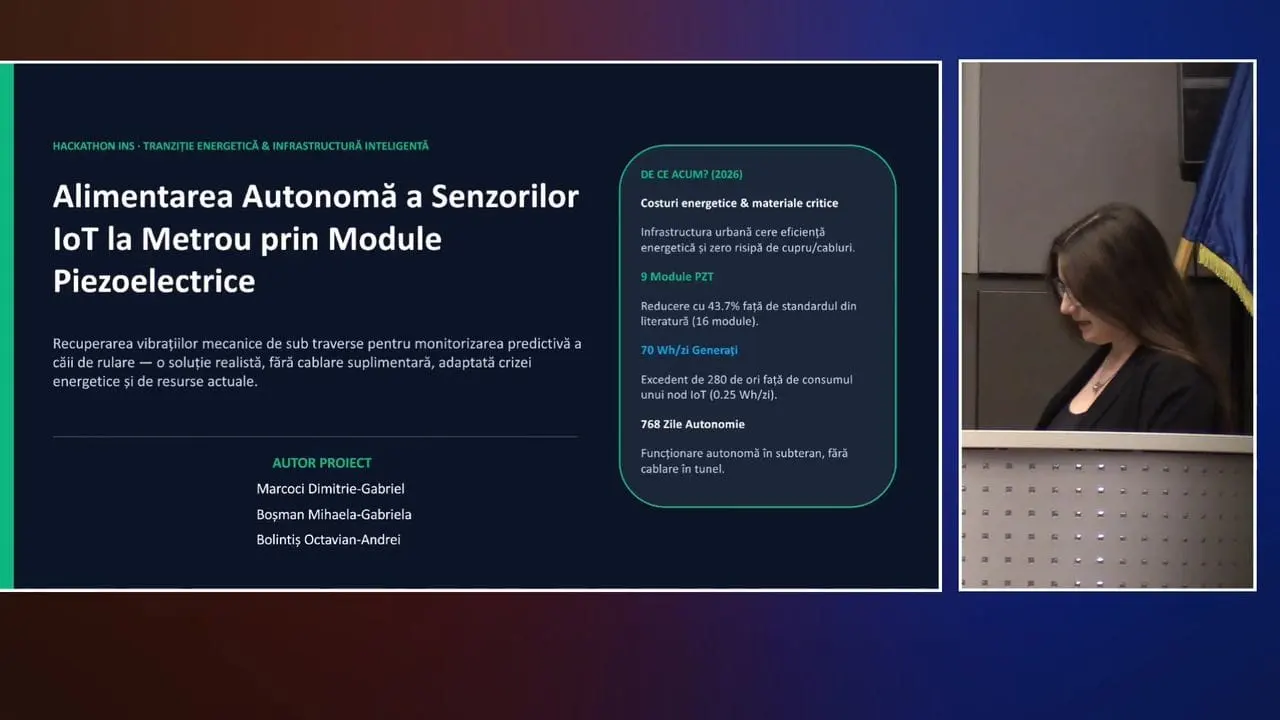
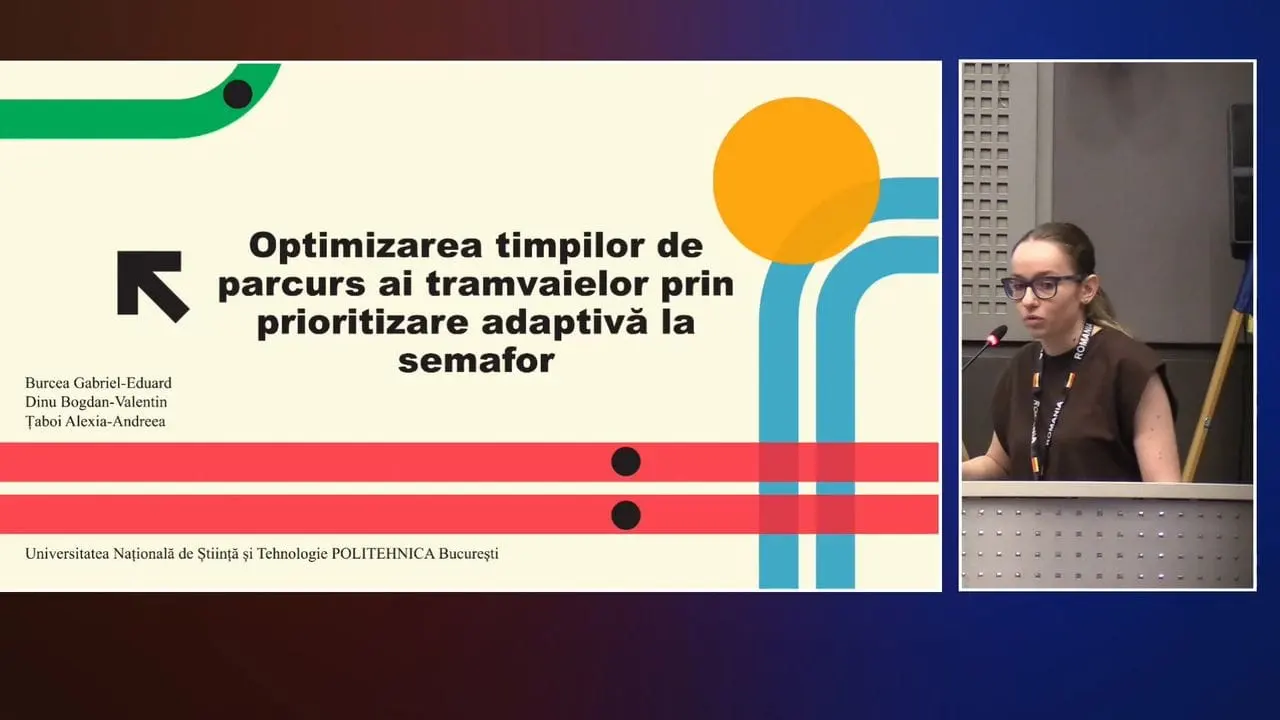
The jury brought together three heads of operators: Liviu Neag, Cristian Stoica and Fănel Popa. During the deliberations, ARSC added 1,000 euros to the prizes. Of this sum, 600 euros went to the project for autonomous metro sensors and 400 euros to the team that worked on the attractiveness of public transport. Anadolu Automobil Rom awarded 500 euros to the project for optimising tram journey times, and the TUSMC Federation gave 200 euros to the project for intelligent public transport priority. The “Prototipul Orașului Viu” team received the prize offered by Lenovo.
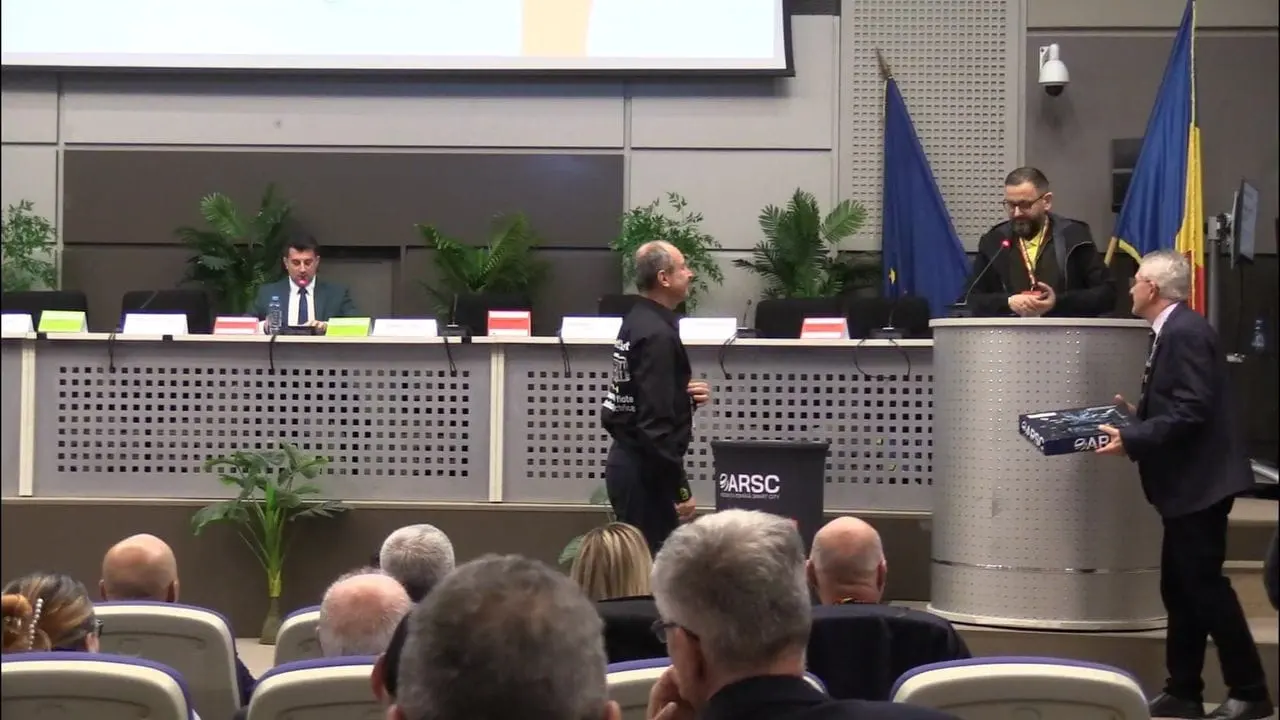
At the Romanian Public Transport Awards Gala, Compania de Transport Public Iași was named operator of the year, and Liviu Neag, general manager of CTP Cluj-Napoca, received the manager of the year award. On receiving the prize, Cristian Stoica estimated the investment made to date in public transport in Iași at around 284 million euros and highlighted the role of the city hall and of the operator's technical team.
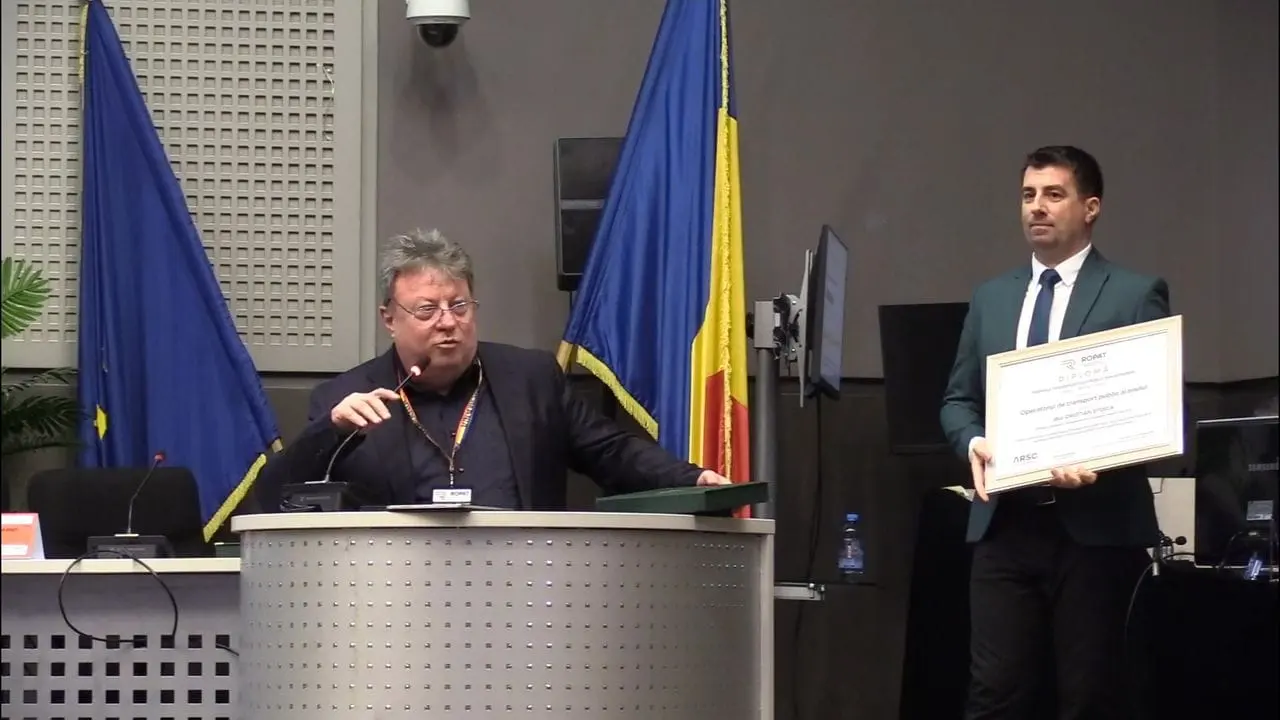
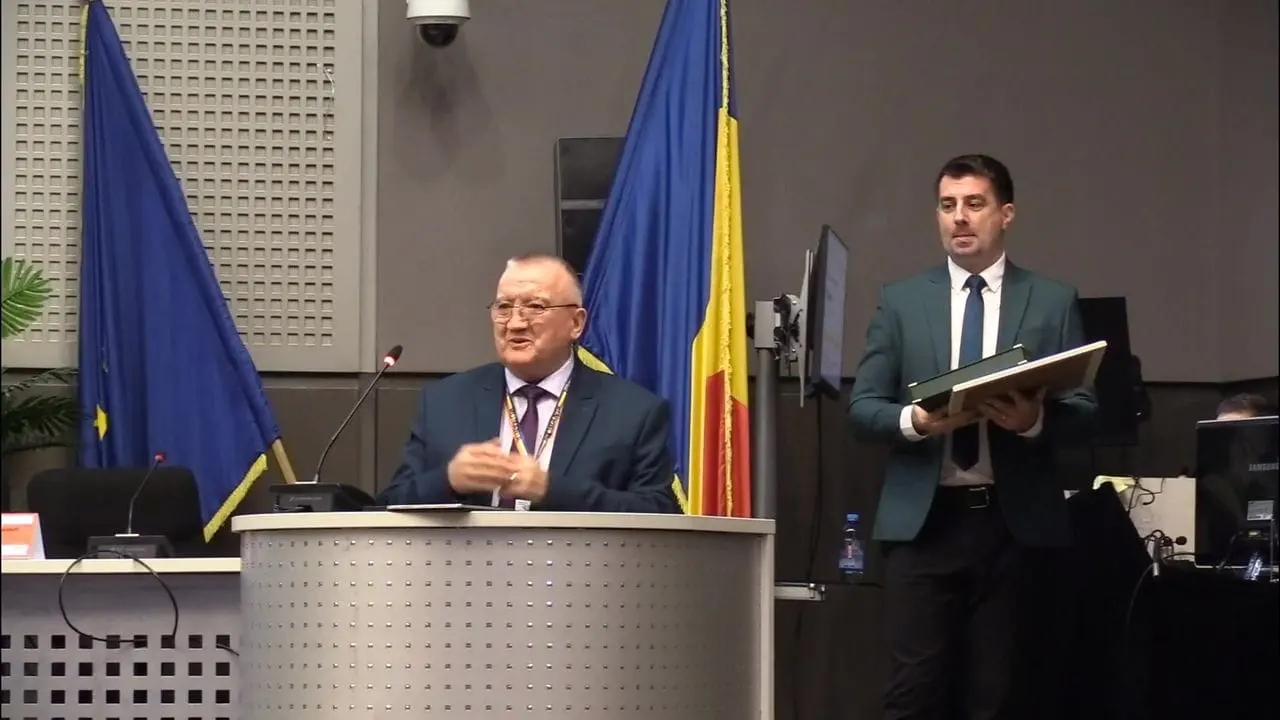
CT Bus Constanța received the infrastructure award, Societatea de Transport Public Timișoara the award for fleet modernisation through electrification, and Transport Public Local Suceava the award for its metropolitan transport project. Magda Peșu, general manager of Anadolu Automobil Rom, received an award for her contribution to the development of electric mobility in Romania. Ionel Irinel Scrioșteanu was given the special award for institutional contribution.
What from these discussions will reach the post-2027 programmes
Anca Urda asked operators to tell the ministry what needs to be modernised as a priority, which expenditure should become eligible and under what conditions they can sustain the service once funding ends.
“The conclusions of this congress must not stay in this room. Please send them to us directly, and we will take them forward in the discussions on future programmes.”Anca Urda, Undersecretary of State, Ministry of Investments and European Projects
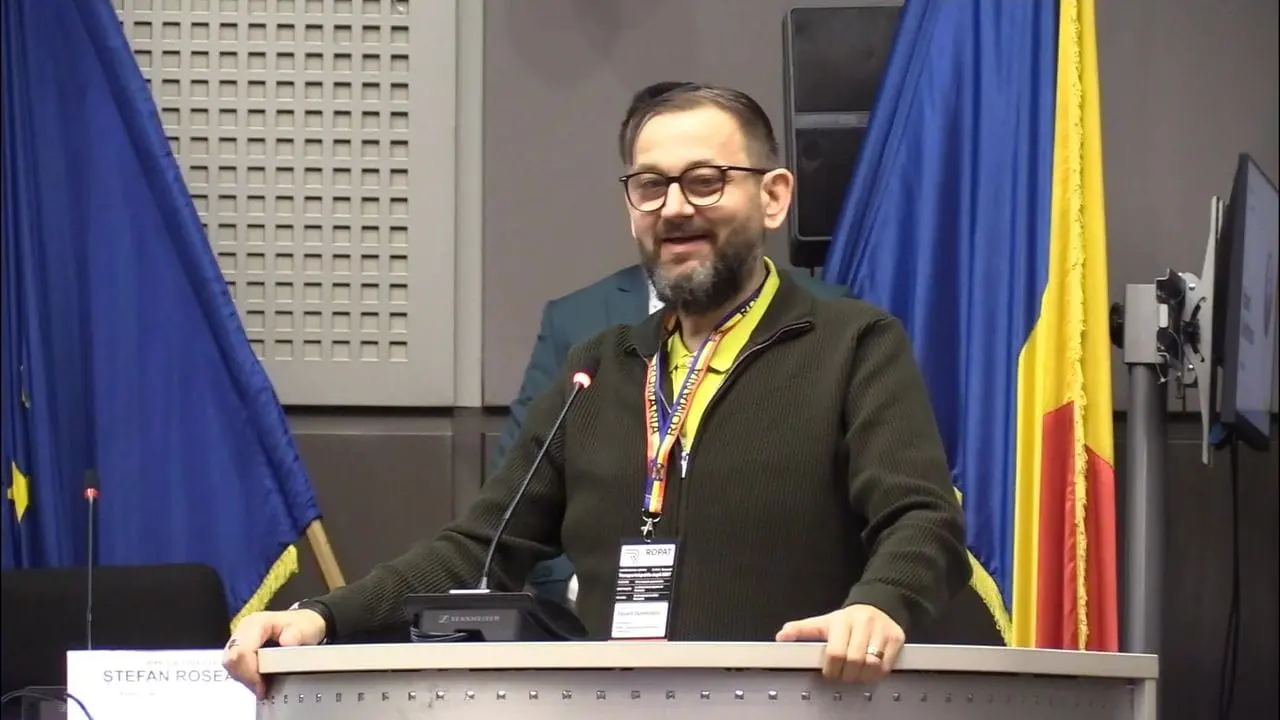
In his conclusions to the day, Eduard Dumitrașcu called on operators to formulate these proposals together with industry. ARSC and the TUSMC Federation are preparing the document Investment Priorities for Public Transport in Romania 2028-2034, scheduled for publication on 15 December 2026. The consultation remains open after the congress. Operators can submit the projects they are preparing and the difficulties encountered in previous investments, from the time taken to obtain a grid connection to the cost of maintaining a metropolitan line on which pupils and commuters depend, through the National Consultation of Public Transport Operators.
Photo gallery
ROPAT 2026 partners
ROPAT 2026 was organised by the Romanian Smart City Association in partnership with the Federation of Urban, Suburban and Metropolitan Passenger Transport Operators (the TUSMC Federation), the main partner of this edition, and with URTP, the Romanian Union of Public Transport. KraftSync Transit was the technology partner of the fourth edition. Partners of this edition: nGENERATION, Anadolu Automobil Rom - Green Transport, the Investment and Development Bank, NovaTech, Dahua Technology, CTE Green, Palo Alto Networks, Lenovo, Framinor Grup and DAC.








21 November 2026 · transportpasageri.ro editorial team · Source: Știri Smart
← Back to news