Marian Stoica, Palo Alto Networks, on public transport security. What happens when a sensor transmits the wrong data
At ROPAT 2026, the National Public Transport Congress, Marian Stoica, Regional Sales Manager at Palo Alto Networks, explained why data protection, continuity of service and passenger trust must be considered together. A passenger notices immediately when the validator does not accept their ticket. A dispatcher may find it harder to notice that an apparently functioning sensor is sending them incorrect data. For operators with small IT teams, Marian Stoica recommends activating the protection measures already available, including multi-factor authentication.
21 November 2026 · Source: Știri Smart
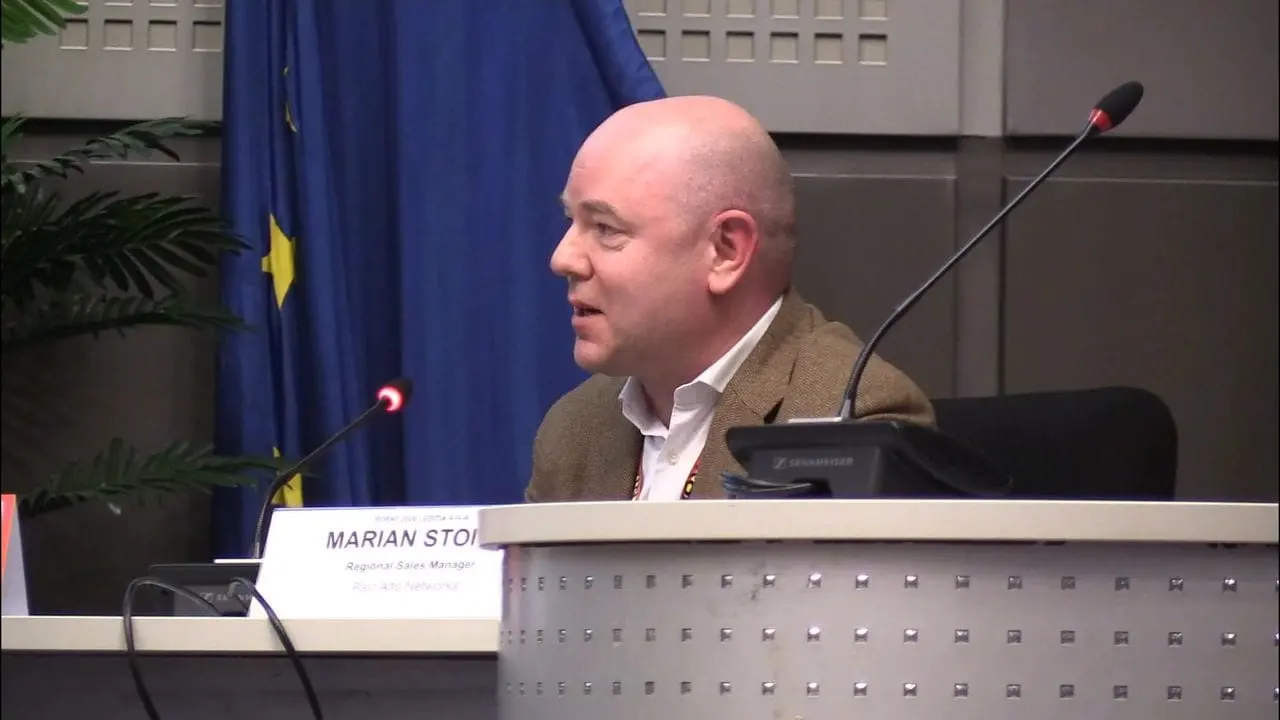
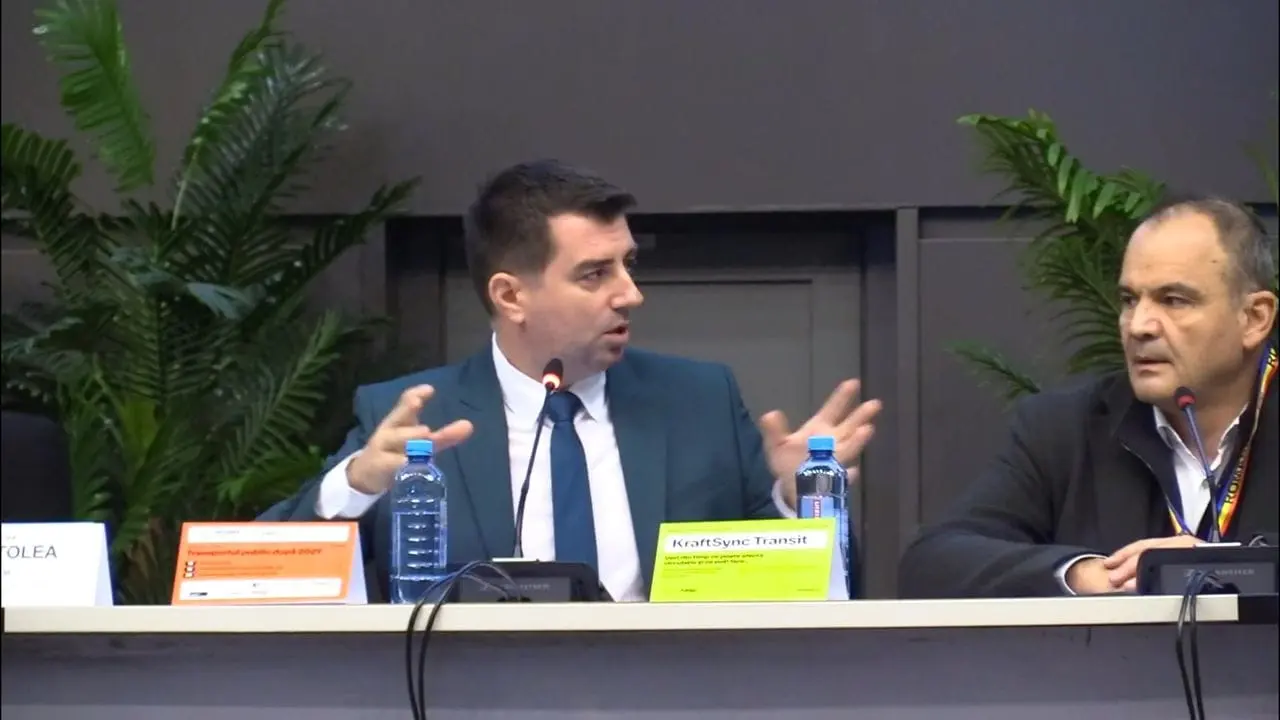
When a validator freezes, the passenger sees that they cannot begin their journey normally. For the operator, the same fault raises a broader question: which of its systems can it still rely on? Marian Stoica, Regional Sales Manager at Palo Alto Networks, used the example of ticket validation at ROPAT 2026, the National Public Transport Congress, on 19 November in Bucharest. In his remarks, he explained why data protection, continuity of service and passenger trust must be considered together.
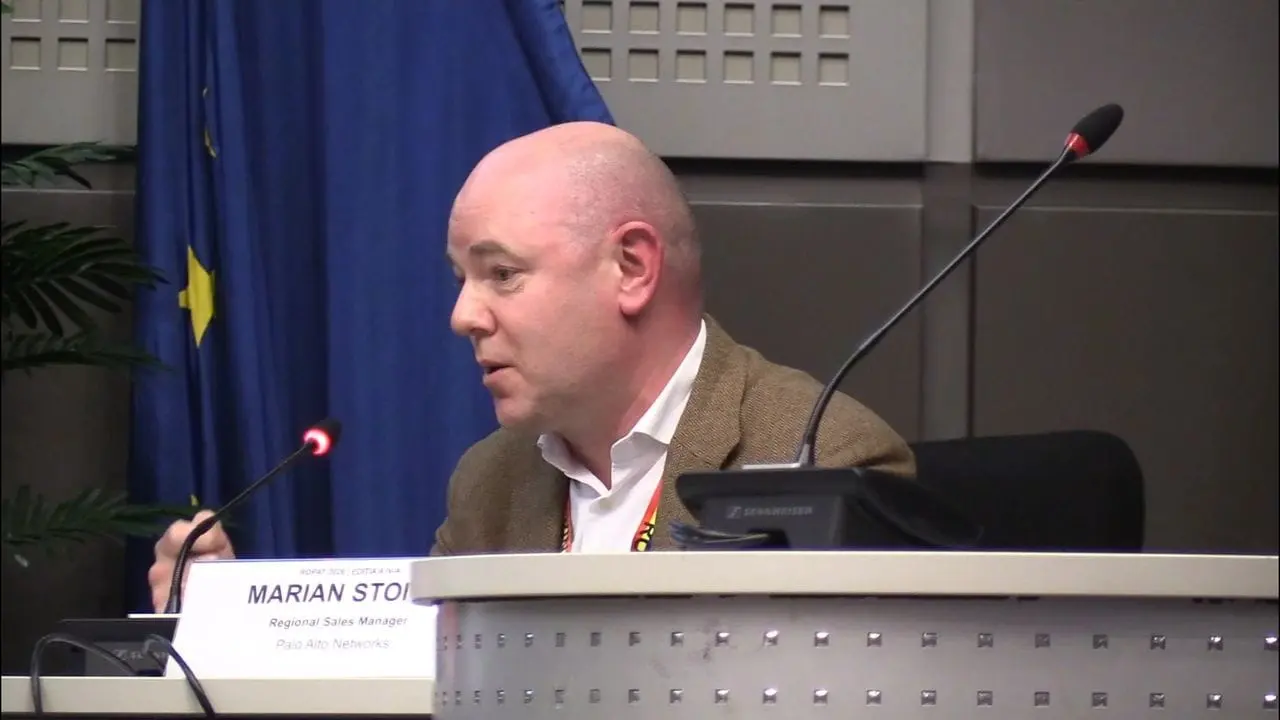
Palo Alto Networks supplies security technologies for networks, cloud services and the teams that detect and manage incidents. At ROPAT 2026, on the panel devoted to the digitalisation of public transport, the company's representative started from three properties of information. Confidentiality determines who can see the data. Availability means they can be used when needed. Integrity means the operator can rely on their accuracy. Company profile
A sensor can respond and still report the wrong value
Marian Stoica explained the difference through two situations. If the ticketing system becomes unavailable, passengers run into problems at validation. If a sensor continues to respond but the value it transmits has been altered, the control room risks taking the wrong decision at the very moment when everything on screen appears to be in order. In the first case, the interruption is visible. The second may be harder to spot precisely because the equipment keeps communicating.
On the complexity of the electric vehicle, the Palo Alto Networks representative used a telling image.
“It is a computer with a steering wheel and wheels.”Marian Stoica, Regional Sales Manager, Palo Alto Networks
An operator manages both office IT systems and equipment linked to the operation of vehicles and infrastructure. In this second category, what matters is whether the dispatcher can trust a reading and whether the service remains available during operating hours.
Which external systems does an electric bus communicate with? An example separate from his remarks at ROPAT is the test published by Ruter, the transport authority for the Oslo region. Two buses, one Yutong and one VDL, were examined in an isolated environment to assess the communications and risks associated with connected vehicles. Ruter published the results and the manufacturer's clarifications. For operators preparing procurements, the study offers an example of how to check the connections on which they will then depend for years. The test and clarifications published by Ruter

Where an operator with a small IT team can start
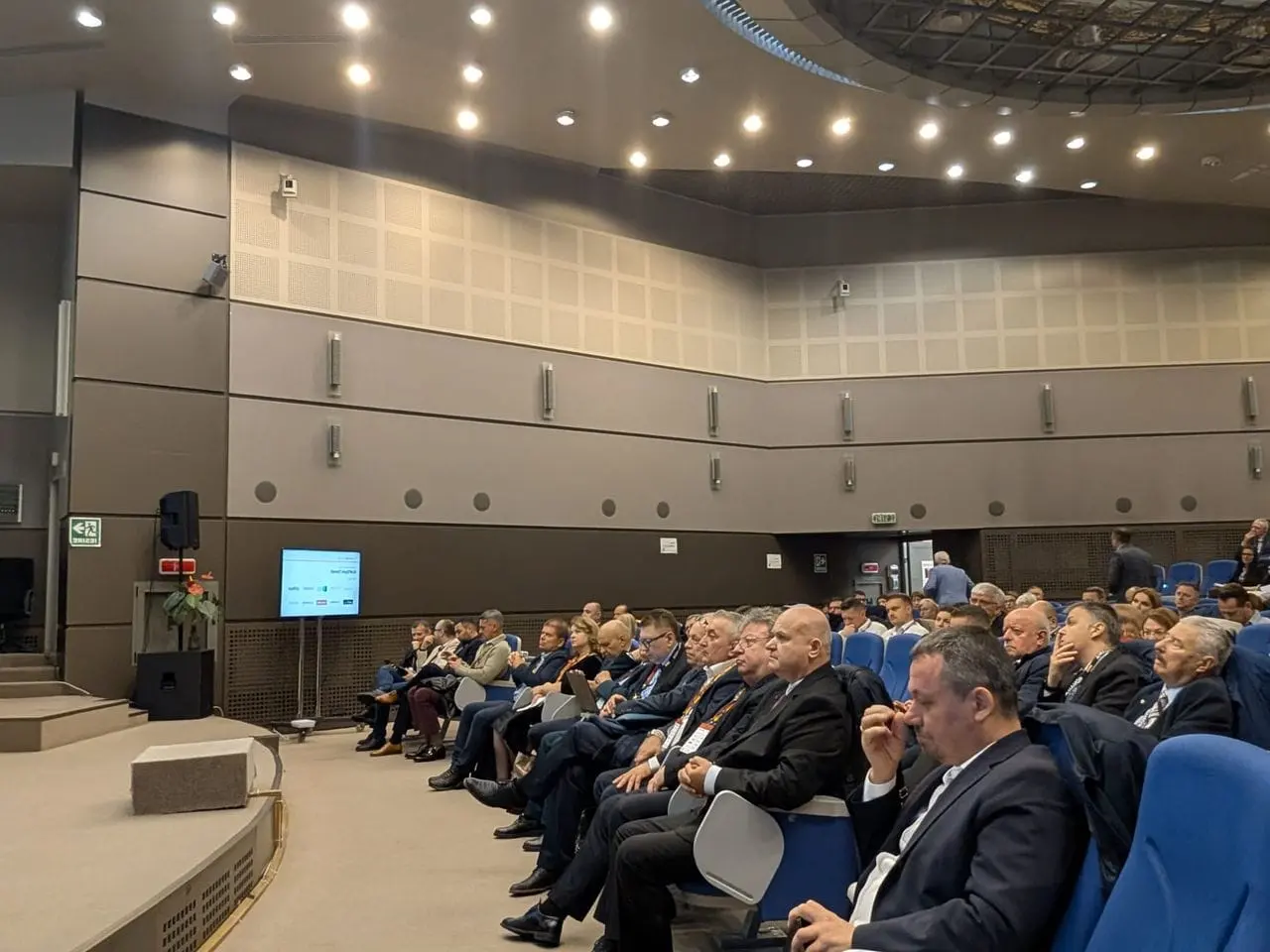
Asked what a transport company with a limited budget can do, Marian Stoica first pointed to the protection functions the operator already has at its disposal. His example was multi-factor authentication, which in many systems can be activated without buying an additional product. “We can start with basic cyber hygiene”, he said.
The second observation concerns the team's capacity to act in time. Several products bought separately can mean more screens to monitor, without the person on duty getting a coherent picture of the incident. The Palo Alto Networks representative used this to explain the company's choice to integrate protection technologies. He asked operators to look at both people and processes: who sees the warning, who assesses the alert and who decides what measures are taken if the incident begins on a Friday evening.
In the discussion on the European NIS2 directive, Marian Stoica recommended that operators consult the information published by the National Cyber Security Directorate (DNSC). Article 18(2) of Government Emergency Ordinance No. 155/2024 provides for notification to DNSC, for registration purposes, by entities in the sectors listed in Annexes 1 and 2 that meet the statutory criteria. Government Emergency Ordinance No. 155/2024, consolidated version
In the prize draw held during the congress, Ioan Rus, director general of Tursib Sibiu, won the ALEF voucher worth 1,000 dollars for Palo Alto Networks courses and certifications.
Photo gallery
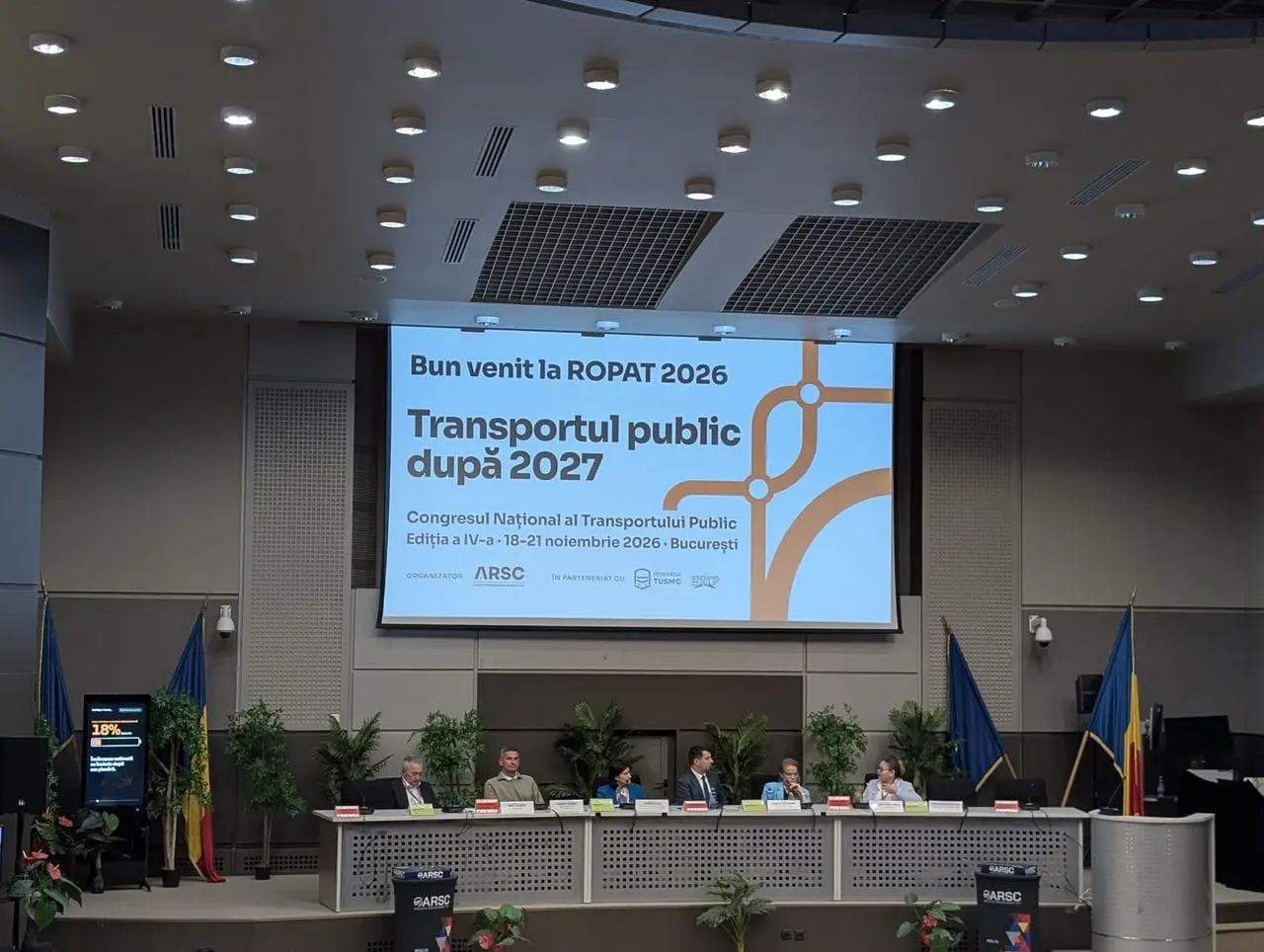
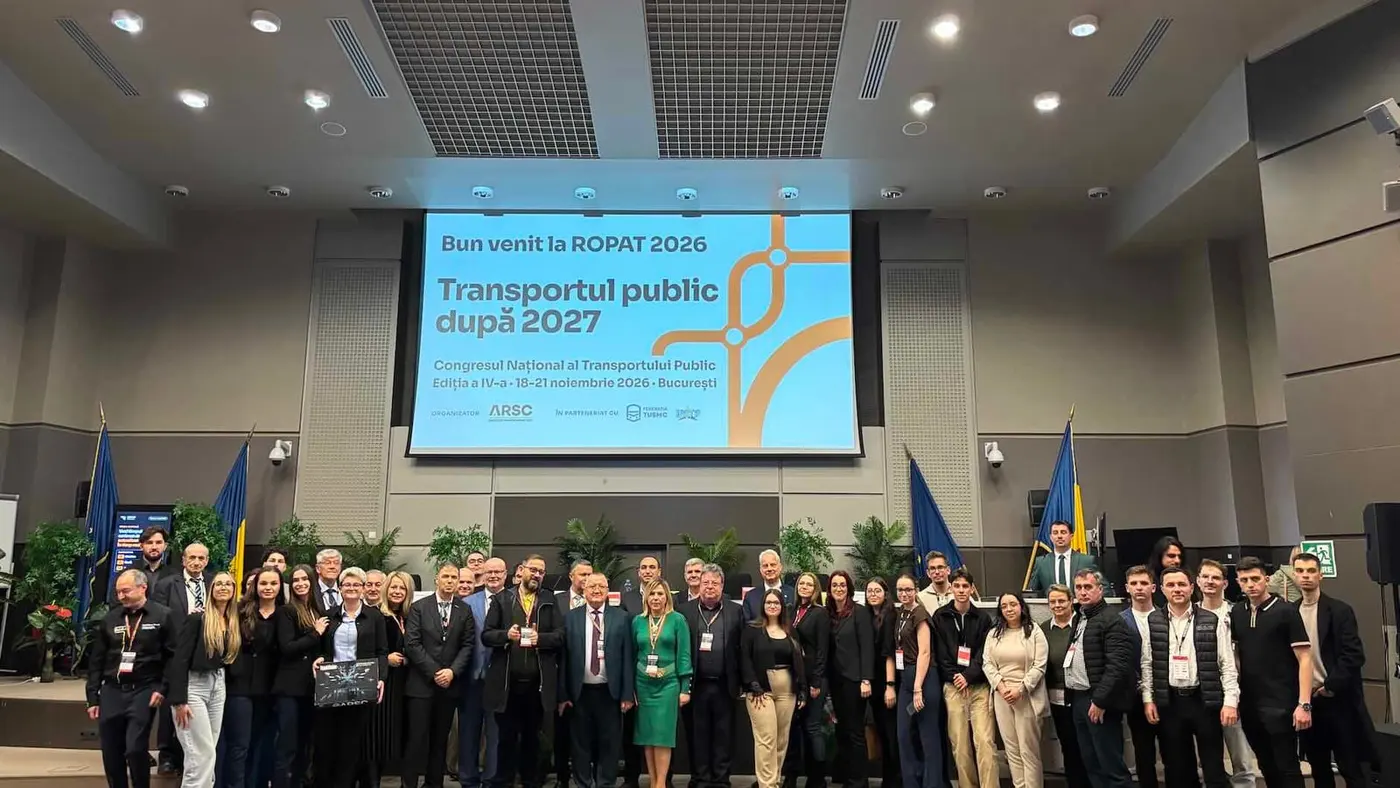
ROPAT 2026 partners
ROPAT 2026 was organised by the Romanian Smart City Association (ARSC) in partnership with the TUSMC Federation (Federation of Urban, Suburban and Metropolitan Passenger Transport Operators), the main partner of this edition, and with URTP, the Romanian Union of Public Transport. KraftSync Transit was the technology partner of the fourth edition. Partners of this edition: nGENERATION, Anadolu Automobil Rom - Green Transport, Banca de Investiții și Dezvoltare, NovaTech, Dahua Technology, CTE Green, Palo Alto Networks, Lenovo, Framinor Grup and DAC.