Six student teams in the ROPAT 2026 Hackathon final. How trams on line 41 could get priority at traffic lights
Six student teams from Politehnica Bucharest presented public transport projects at ROPAT 2026, the National Public Transport Congress, before a jury made up of the heads of the operators in Cluj-Napoca, Iași and Constanța. Cash prizes reached 1,700 euros, and the largest cash prize went to a project for tunnel sensors powered by the vibrations of metro trains.
21 November 2026 · Source: Știri Smart
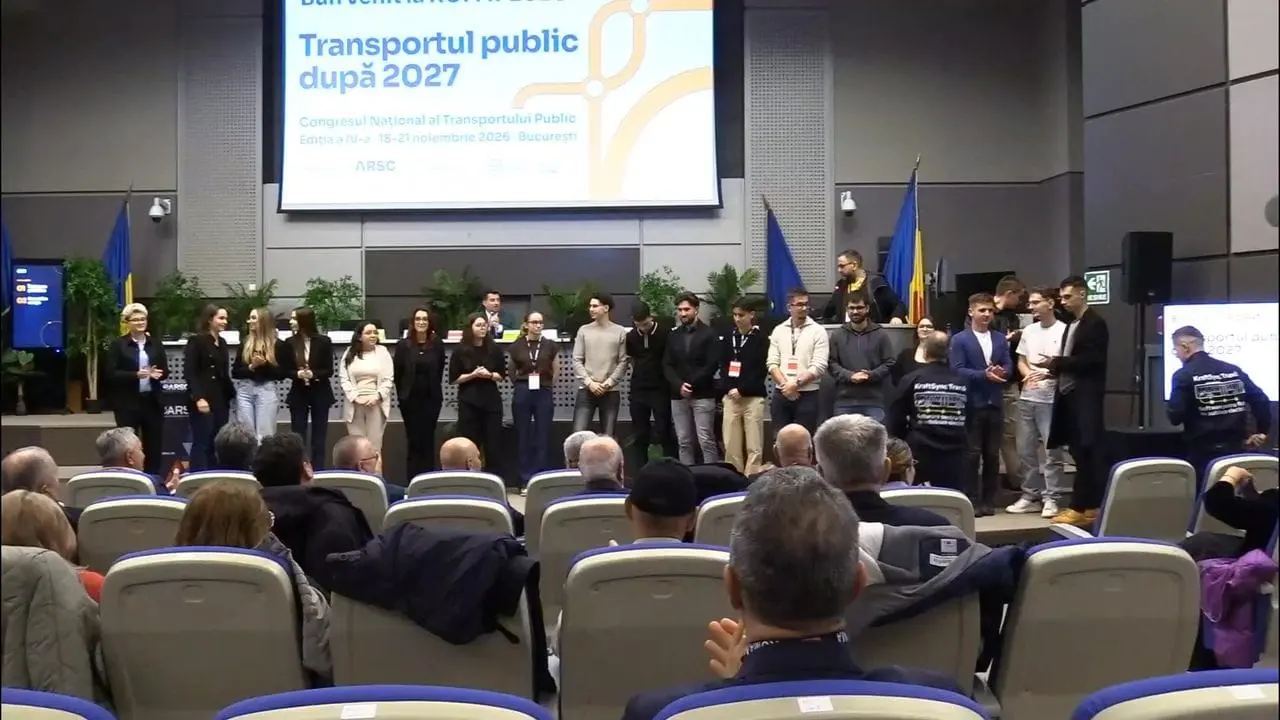
A train passing through a tunnel produces vibrations. Could they power the sensors that measure rail temperature or detect water seepage? One student team started from this question and won a 600-euro prize in the final of the ROPAT 2026 Hackathon. On 19 November in Bucharest, five other teams presented projects inspired by situations they know from their own journeys around the city. The jury awarded five prizes, and the value of the cash prizes reached 1,700 euros.
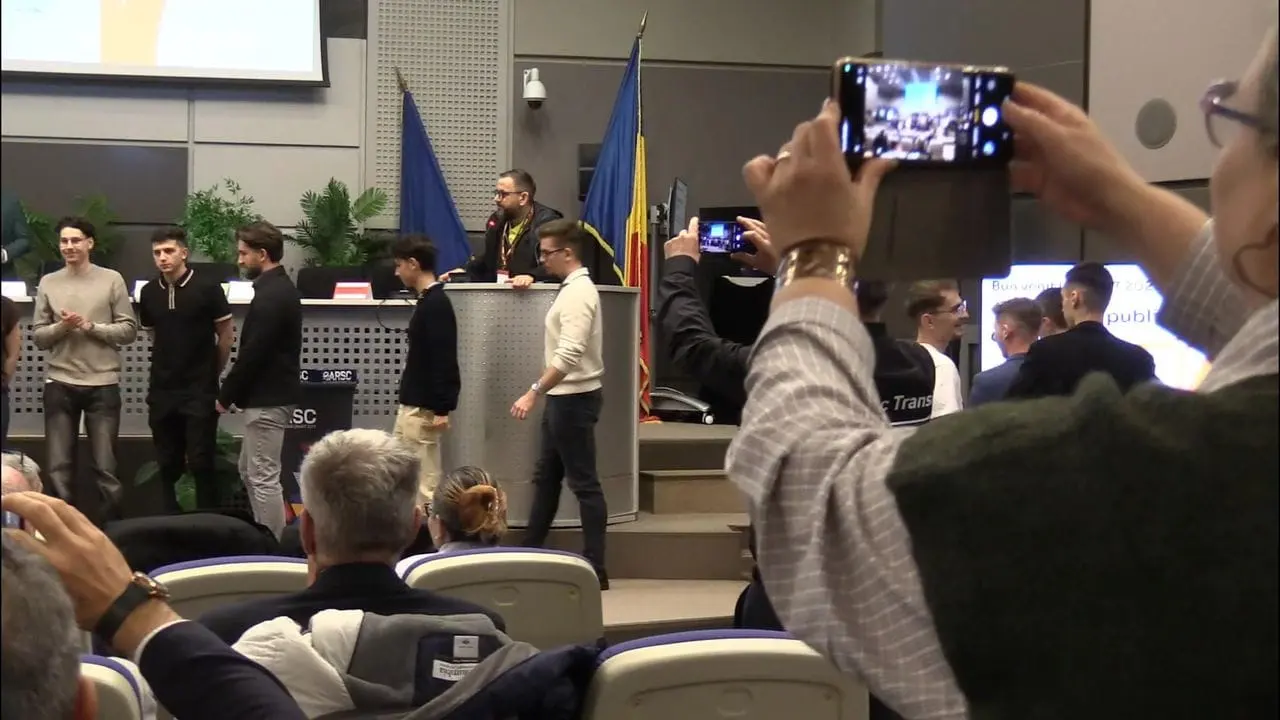
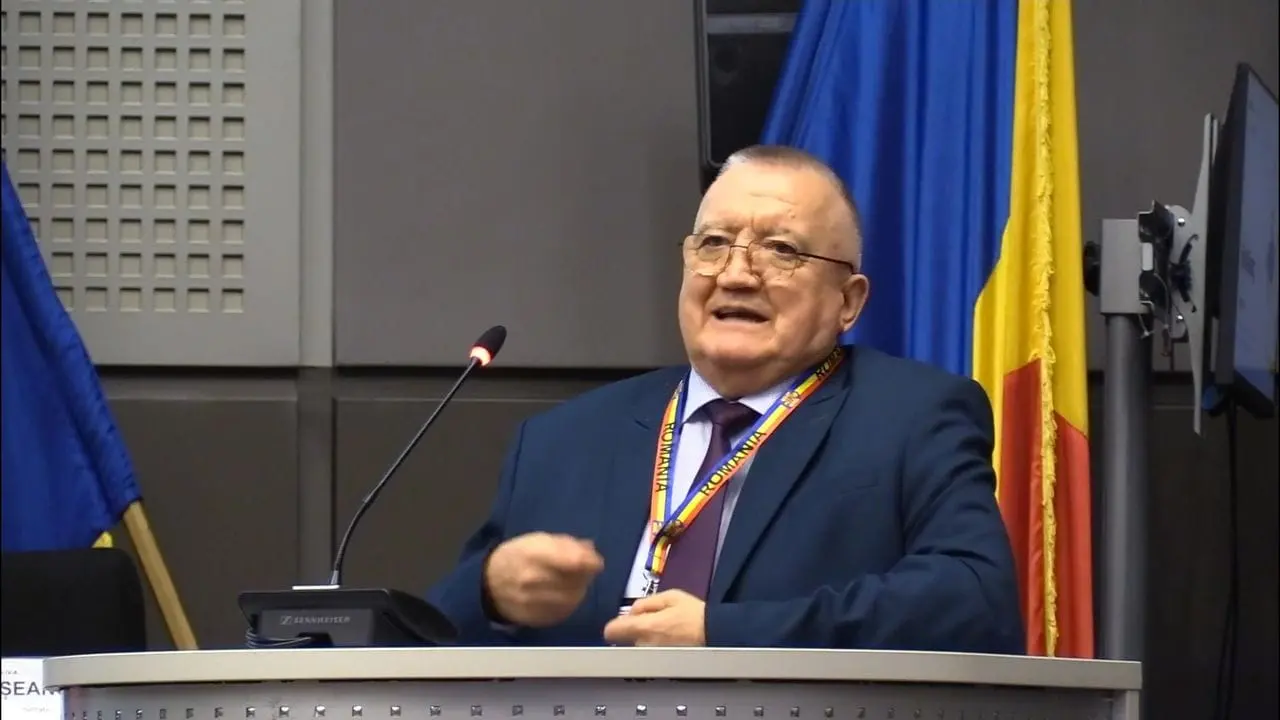
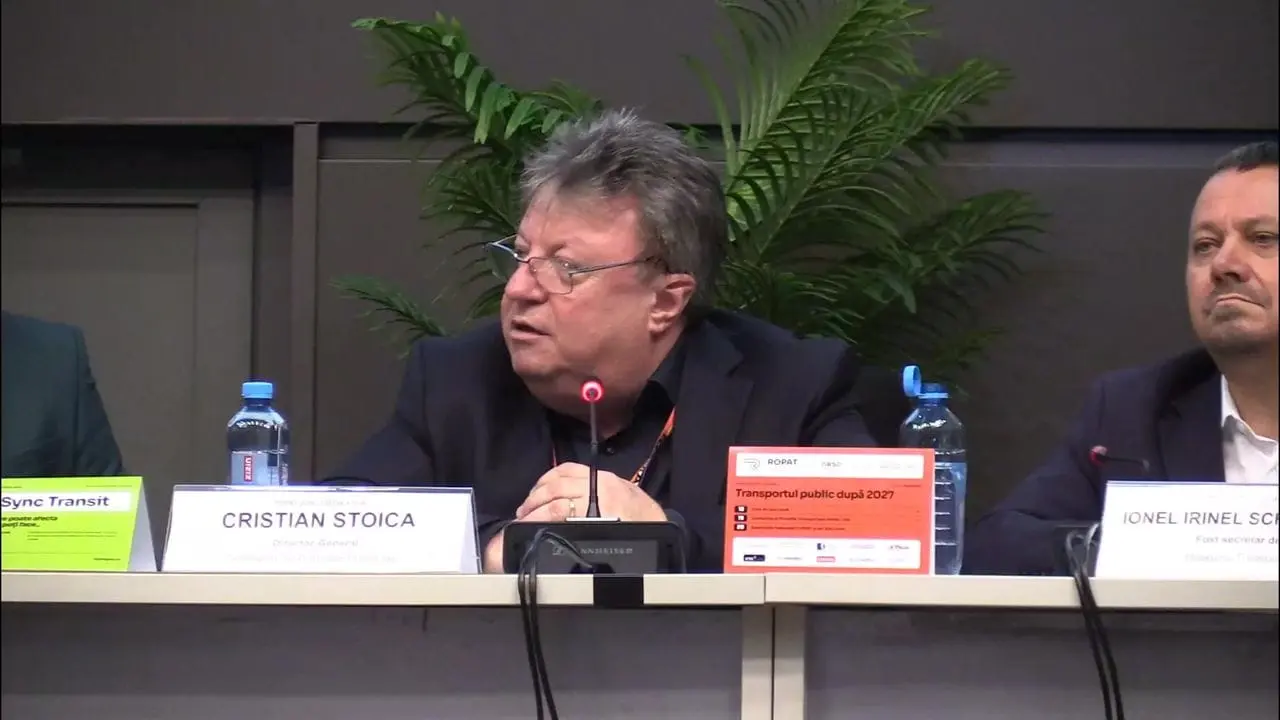
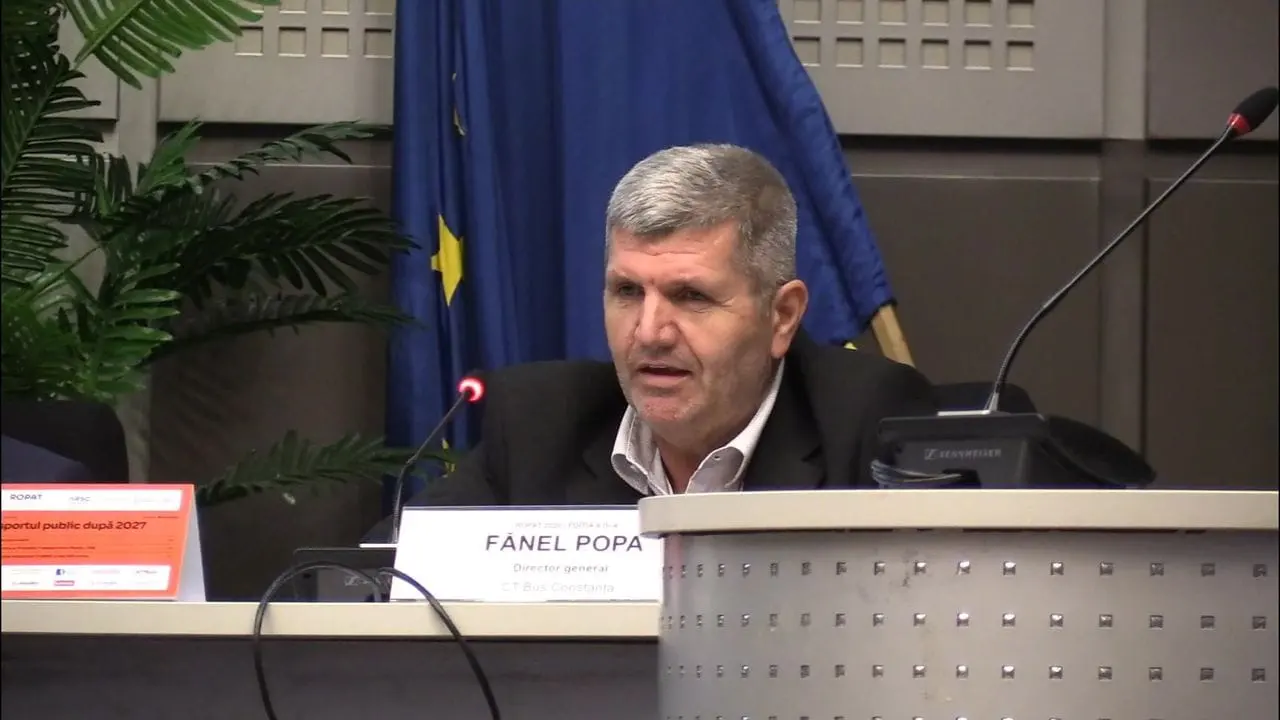
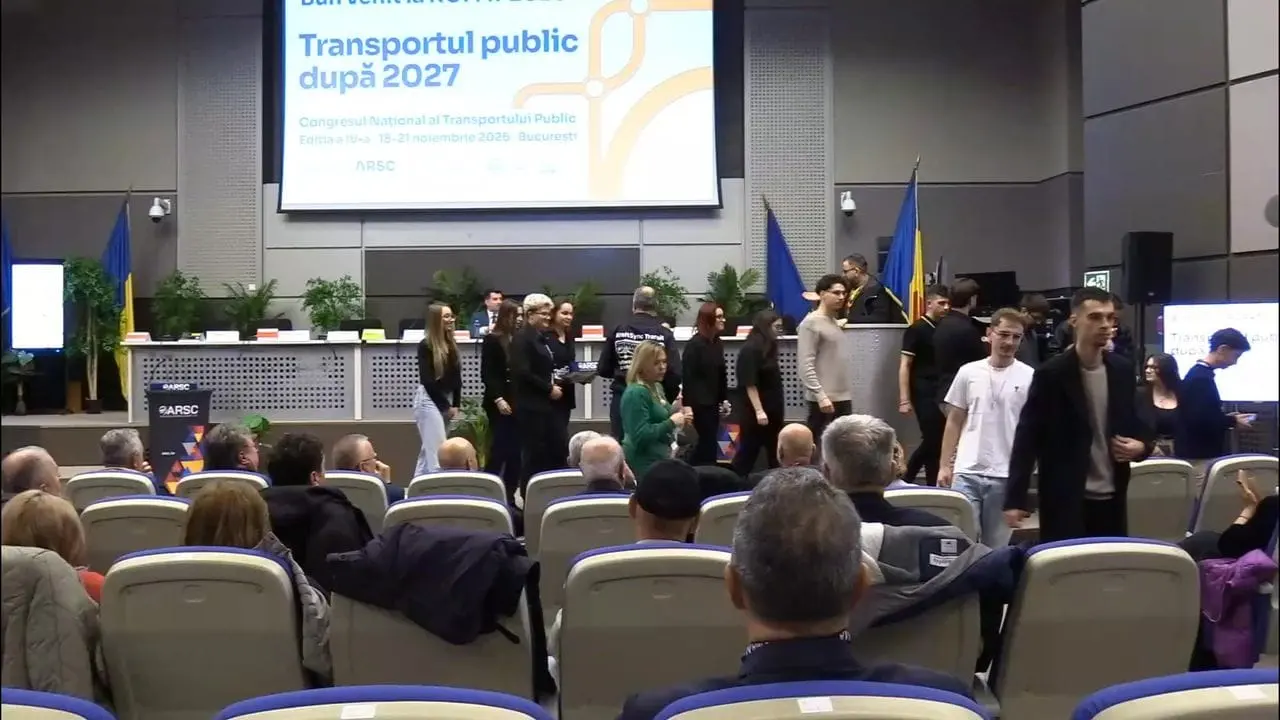
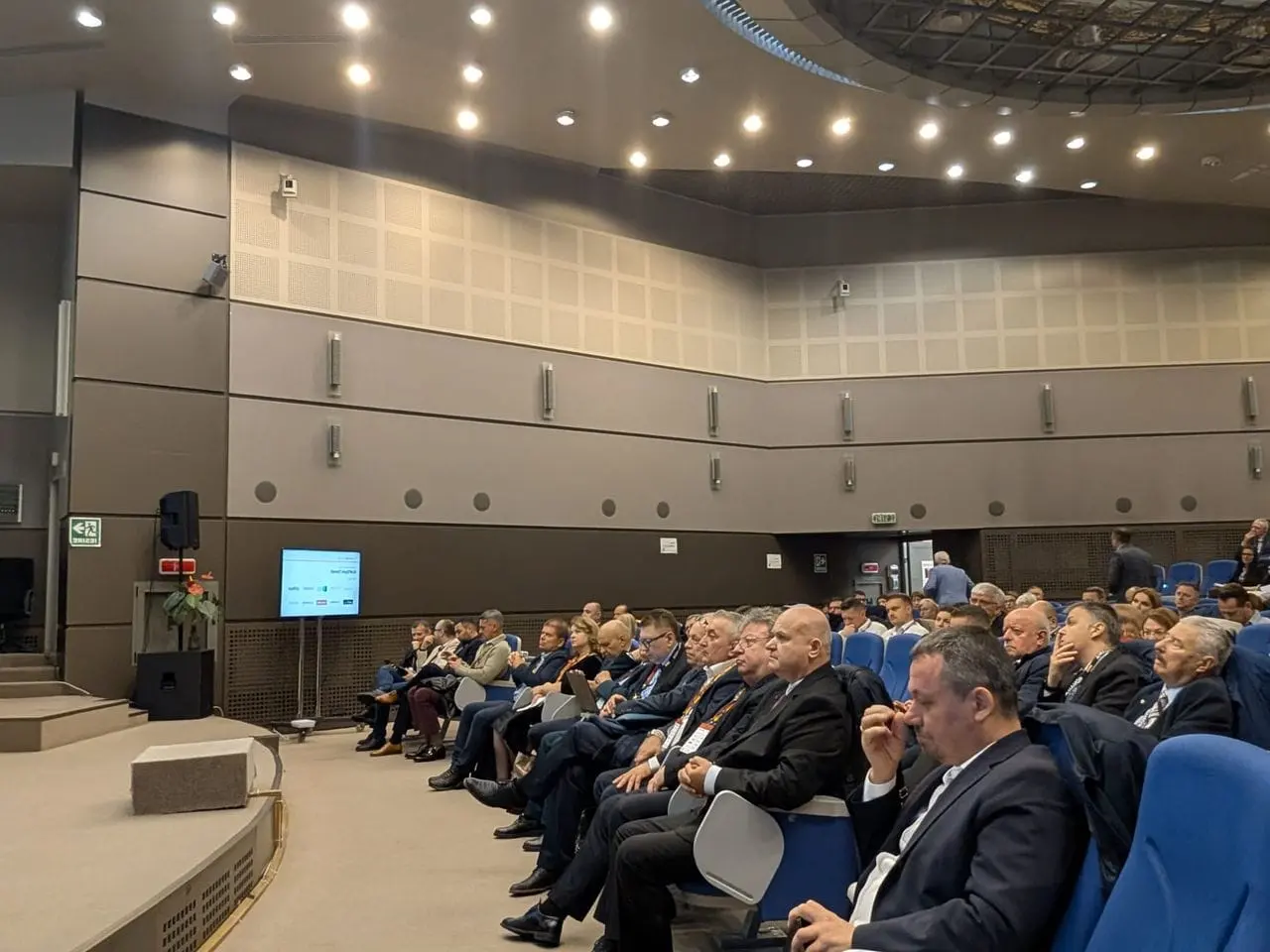
At the National Institute of Statistics, the students, coordinated by Professor Florin-Codruț Nemțanu, defended their projects before three heads of public transport operators. The jury comprised Liviu Neag of Compania de Transport Public Cluj-Napoca, Cristian Stoica of Compania de Transport Public Iași and Fănel Popa of CT BUS Constanța. On stage, the teams had a few minutes to explain which problem they had chosen, how the solution would work and where they could try it out.
Power for sensors from passing metro trains
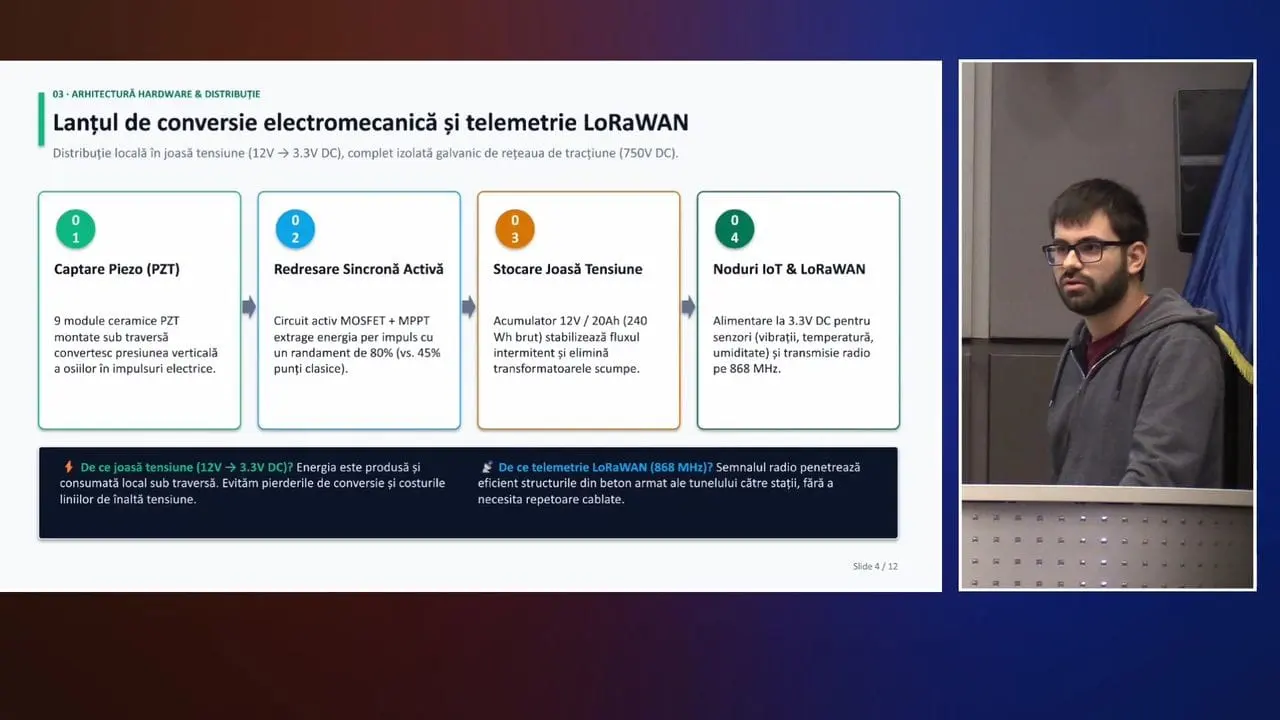
The team awarded 600 euros by the Romanian Smart City Association (ARSC) focused its project on the small devices installed in the tunnel. The students described a system with piezoelectric elements that convert the mechanical stresses produced by a passing train into electricity. The recovered energy could power sensors that measure vibration and shocks, rail temperature or humidity in the tunnel.
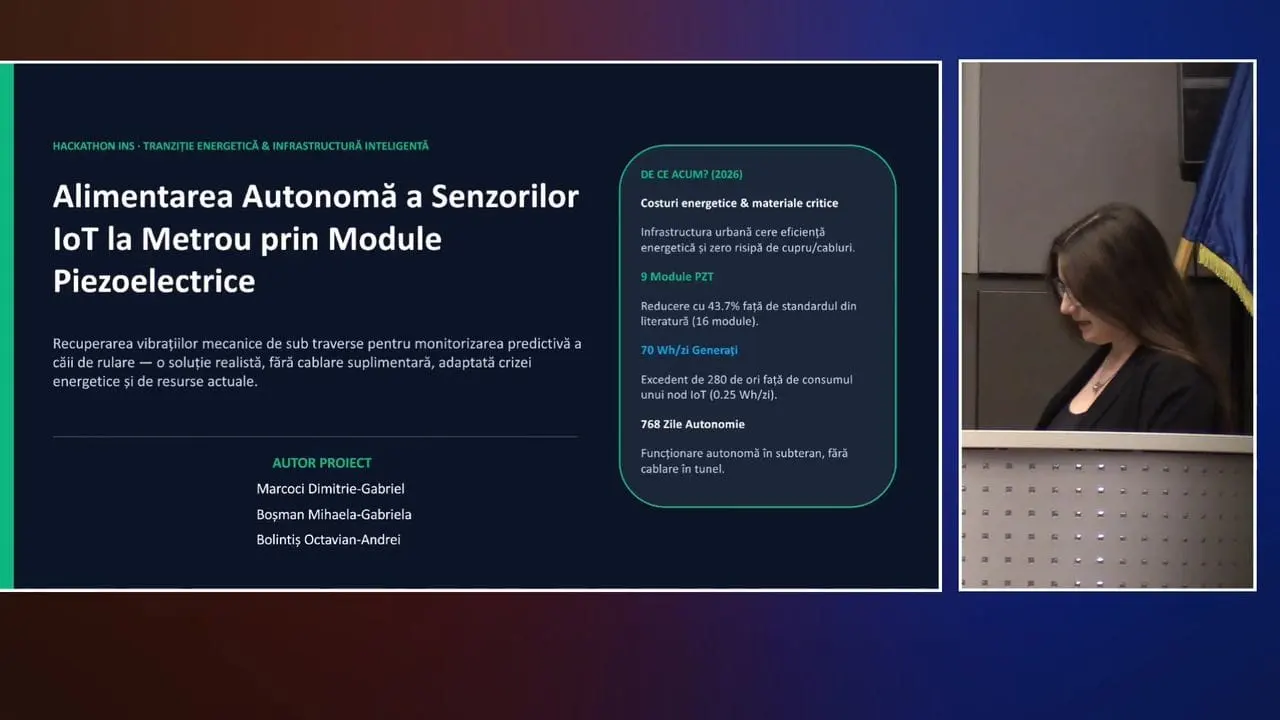
For a maintenance team, the advantage would lie precisely in hard-to-reach places. A sensor that generates its own power locally and transmits its readings by radio could reduce the need for cabling and for call-outs to change batteries. The students presented their calculation model as a starting point for testing.
Two projects for junctions, two ways of granting priority
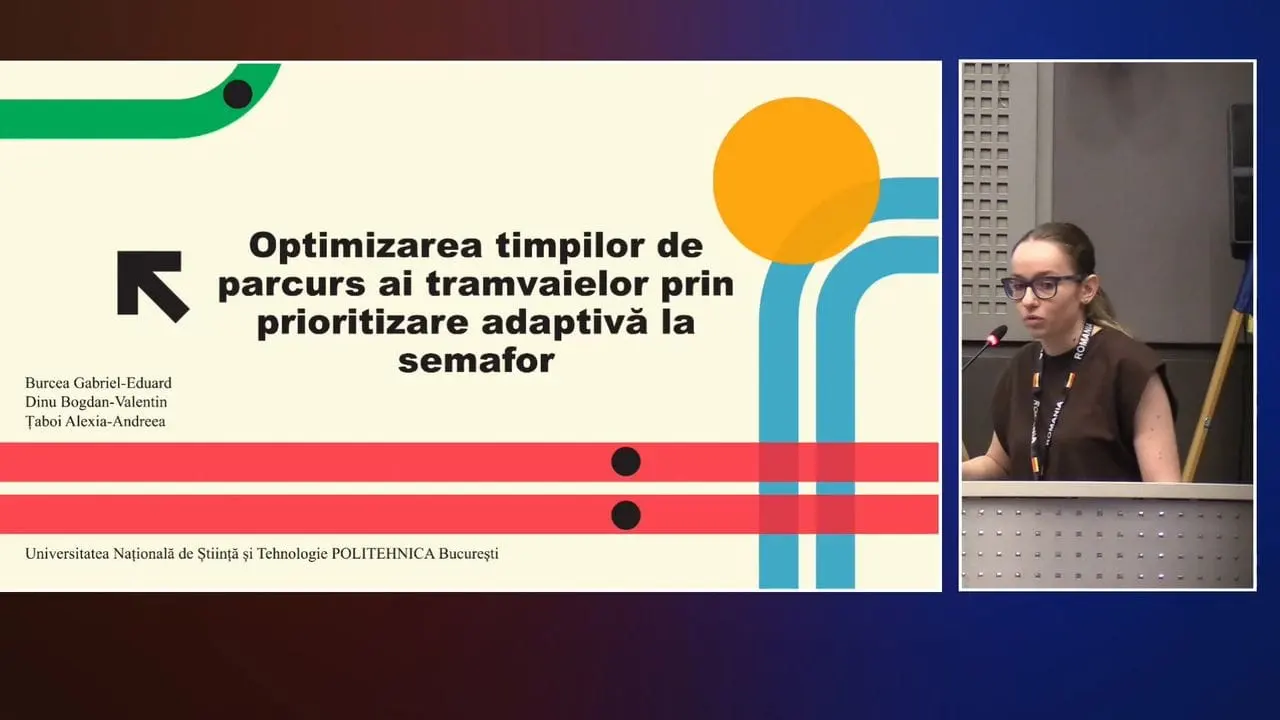
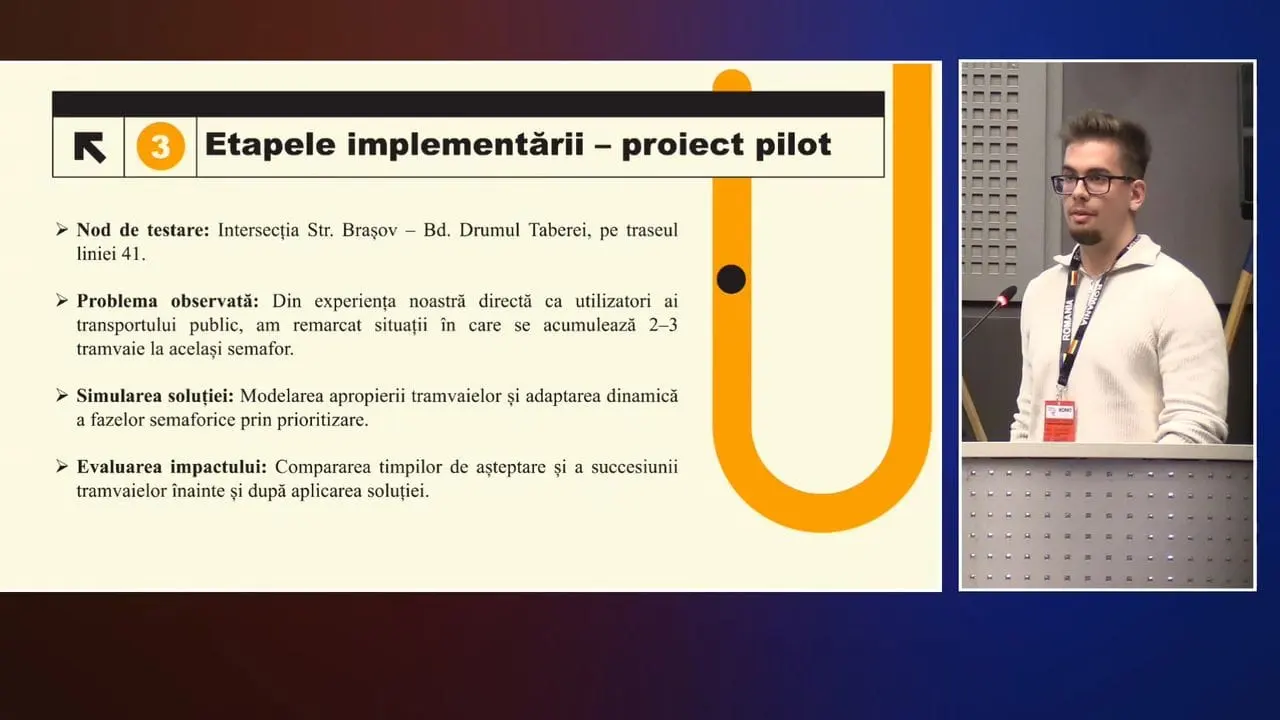
The TDB team received 500 euros from Anadolu Automobil Rom. The students chose a precise location for a possible test on line 41, at the junction of Strada Brașov and Drumul Taberei. The proposal starts from a situation familiar to passengers. A tram loses time at a traffic light, the next one catches up with it, and once they have passed there is a long gap during which the stop fills up again.
Based on the tram’s position and the estimated time to reach the junction, the system would request an adjustment to the traffic light. The team presented a simulation in which the two situations, with and without priority, could be followed side by side. On site, the students would begin by measuring times without changing the signal timings. Only then would they test priority under controlled conditions.
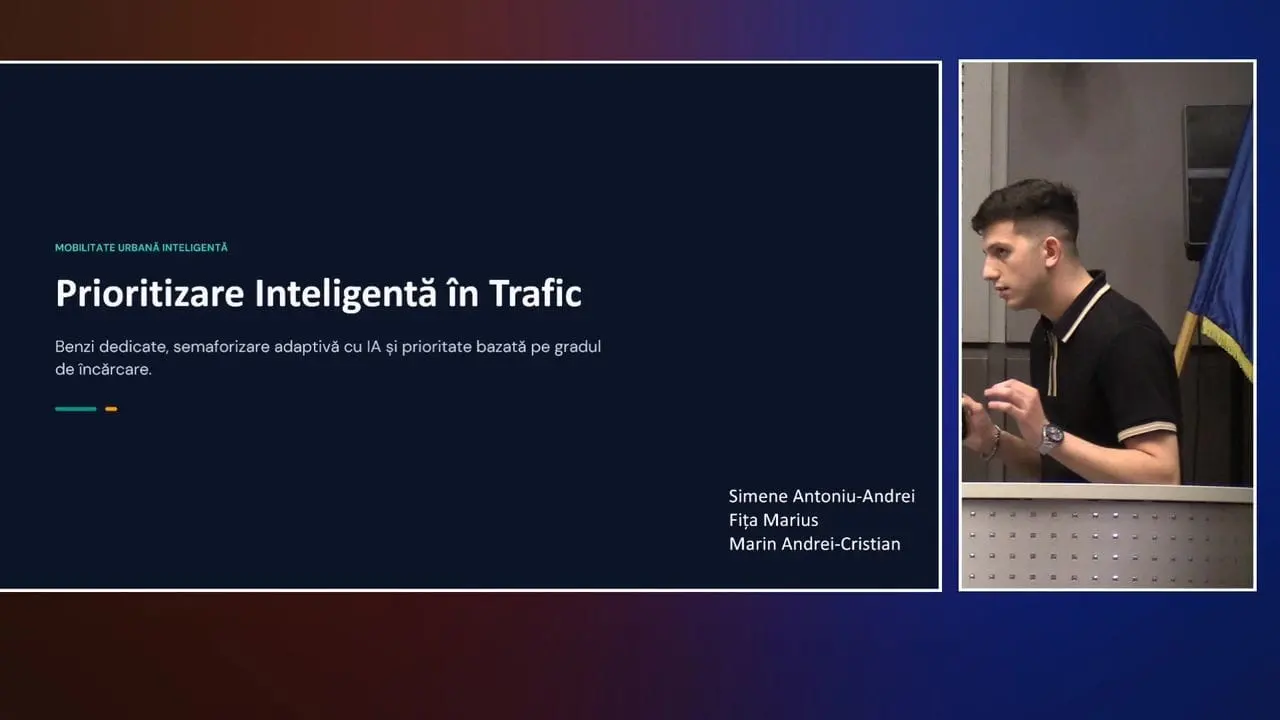
The TRANSFAST team, awarded 200 euros by the TUSMC Federation, focused on buses. Its proposal combines dedicated lanes with detection of vehicles as they approach a junction. The students also discussed the case of two buses requesting a green light at the same time. The rule they proposed is that priority should go to the vehicle with more passengers on board.
What you can find five minutes from the stop
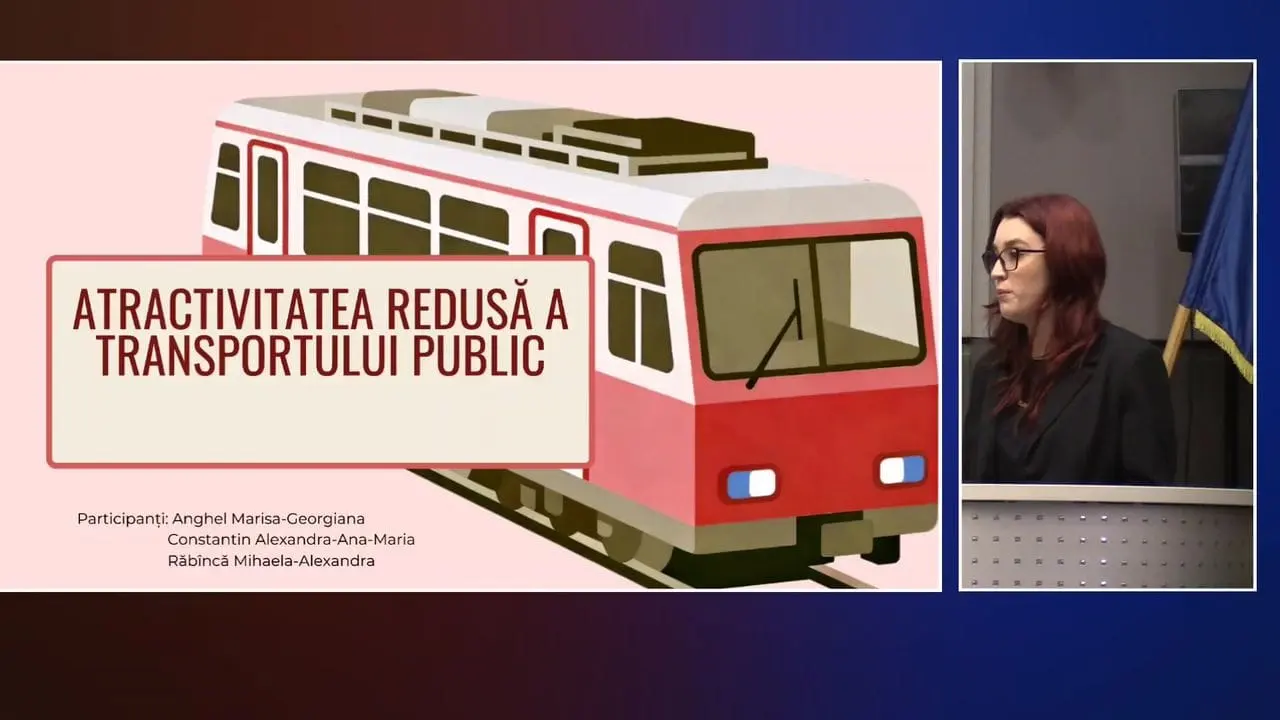
The Next Stop team received 400 euros from ARSC. The idea grew out of the experience of students who had come to Bucharest. For someone who already knows the route, the name of the stop is enough. For someone getting off at Universitate for the first time, the information they need is which direction to set off in for Colțea Hospital, the National Theatre or the Old Town.
The students showed how the destinations within a five-minute walk could be presented on a display panel. On the bus, they would use the existing screens to show the next stops, the time to the stop and connections with other lines. The solution proposed by Next Stop gives passengers information both on the bus and after they get off.
“The Living City” and the Regie car park
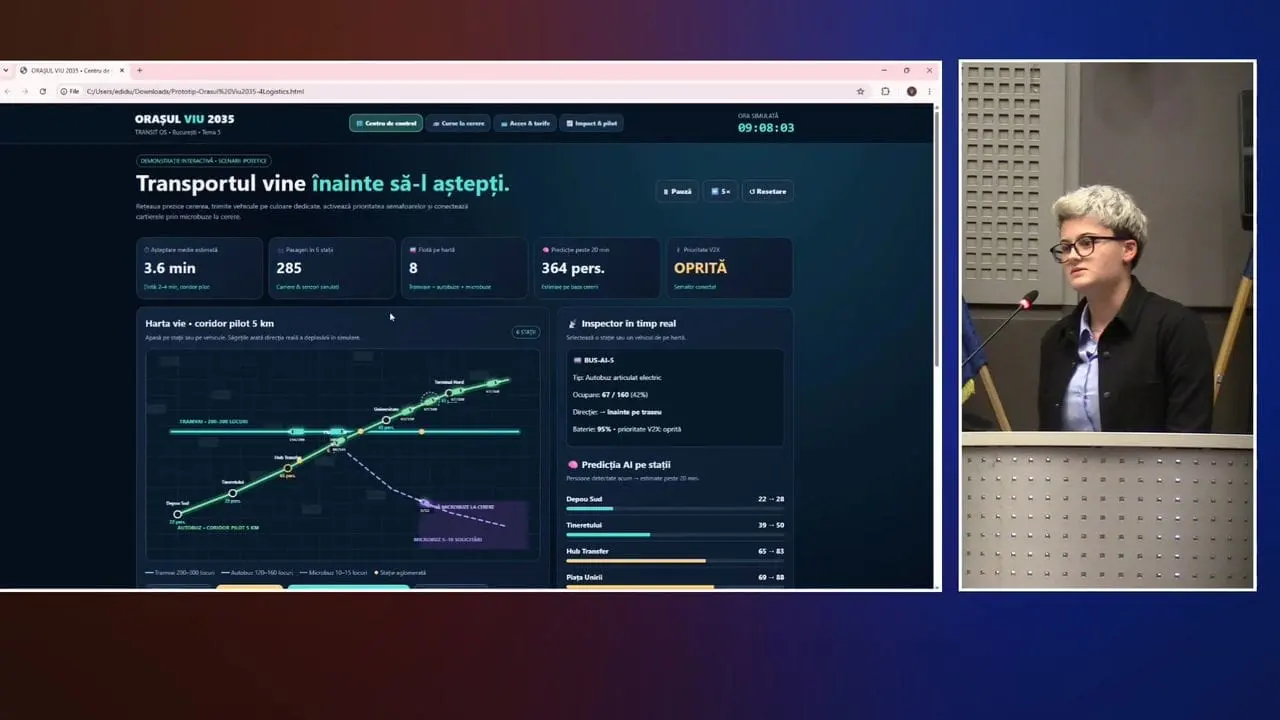
The team that presented “The Living City” won the monitor offered by Lenovo. The project imagines public transport in 2035, but the students proposed a first test on a five-kilometre corridor with six stops. The system would use data on passenger flows, travel history and the weather to predict crowding. If many people are about to arrive at a stop within a short period, the operator could send an additional bus in advance. For neighbourhoods far from stops, the team proposed on-demand electric minibuses.
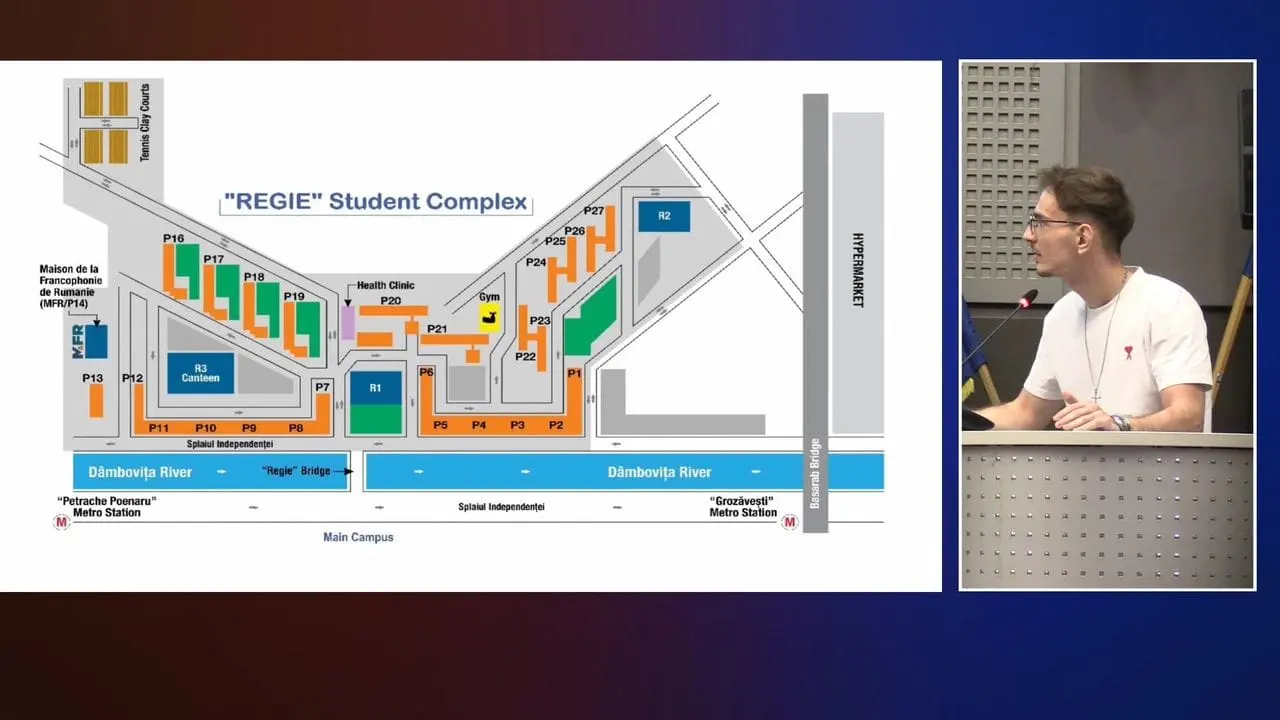
The first team to take the stage proposed an app for students looking for a parking space on the Regie campus. The app shows free spaces before arrival, checks access rights on the basis of the user’s ID card and guides the driver to the available space. It is the only one of the six projects for which the jury did not announce a prize.
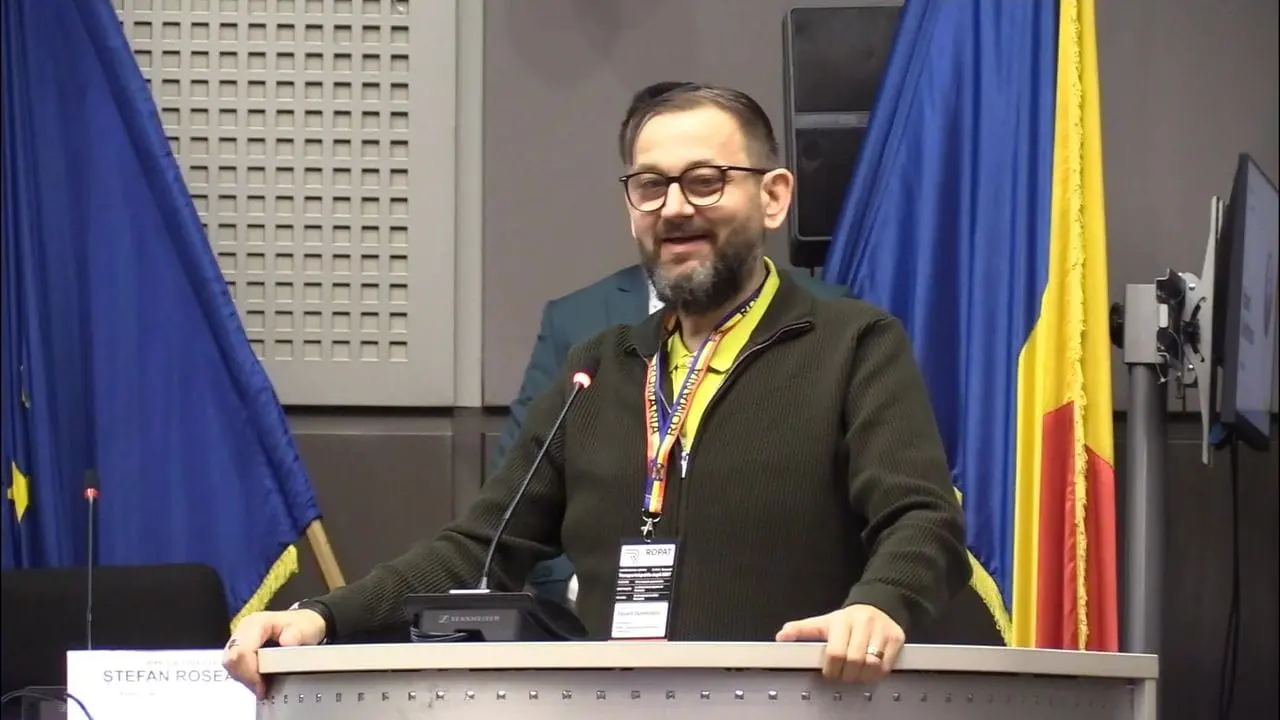
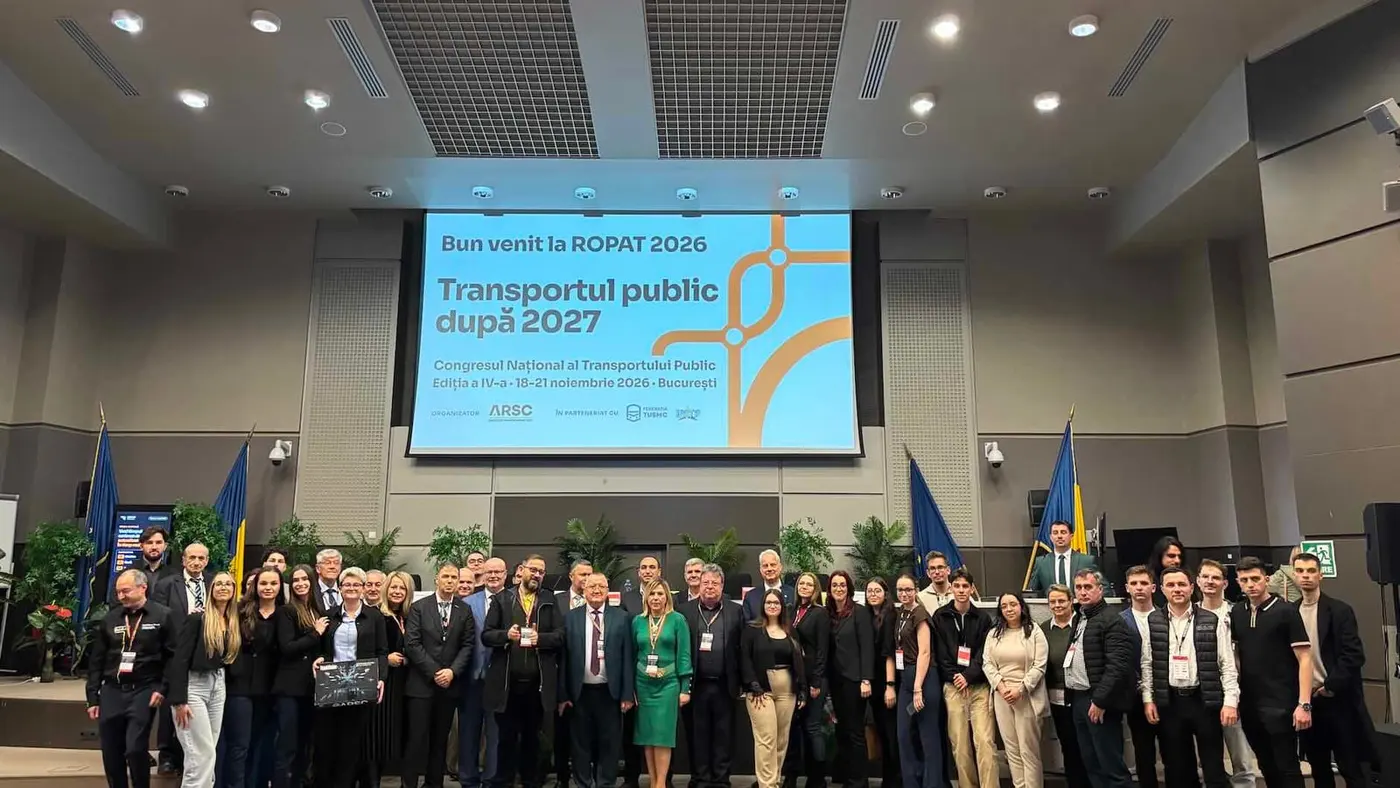
Some of the prizes were decided in the hall itself. While the jury was deliberating, Eduard Dumitrașcu, president of ARSC, announced that the fund would be increased by 1,000 euros, divided into the prizes of 600 and 400 euros. Anadolu Automobil Rom offered a further 500 euros. At the end, all six teams were invited on stage together.
Photo gallery
ROPAT 2026 partners
ROPAT 2026 was organised by the Romanian Smart City Association (ARSC) in partnership with the Federation of Urban, Suburban and Metropolitan Passenger Transport Operators (the TUSMC Federation), the main partner of this edition, and with URTP - the Romanian Union of Public Transport. KraftSync Transit was the technology partner of the fourth edition. Edition partners: nGENERATION, Anadolu Automobil Rom - Green Transport, Banca de Investiții și Dezvoltare, NovaTech, Dahua Technology, CTE Green, Palo Alto Networks, Lenovo, Framinor Grup and DAC.