A cyberattack shut down all of STPT's charging stations, Florin Petolea said at ROPAT 2026
The general manager of Societatea de Transport Public Timișoara told ROPAT, the National Public Transport Congress, about a cyberattack that shut down all of the operator's charging stations and a separate attempt to access the vehicle management system. STPT is working with university specialists on security requirements for equipment on board its buses.
21 November 2026 · Source: Știri Smart
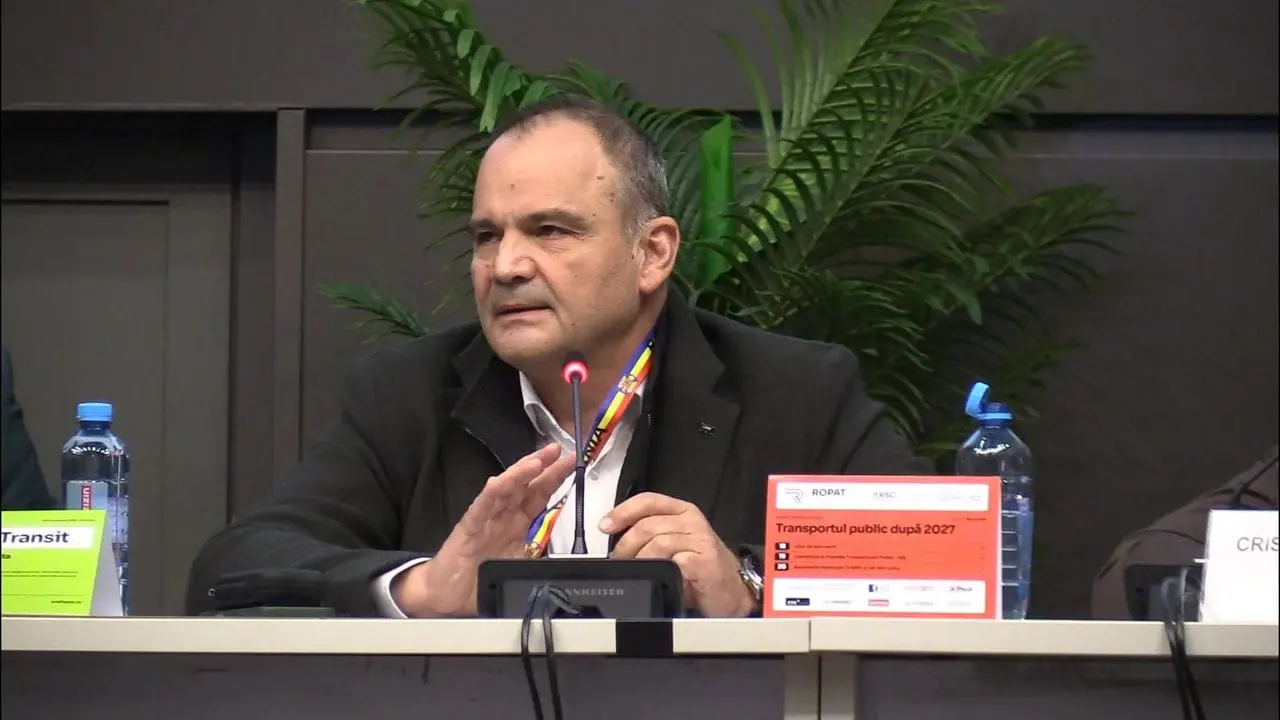
“In Timișoara we had a cyberattack that shut down all our charging stations”, said Florin Petolea, general manager of Societatea de Transport Public Timișoara (STPT). At ROPAT 2026, the National Public Transport Congress, on 19 November, he also reported a separate attempt to access the vehicle management system. STPT is working with university specialists from Timișoara on security requirements for on-board equipment.
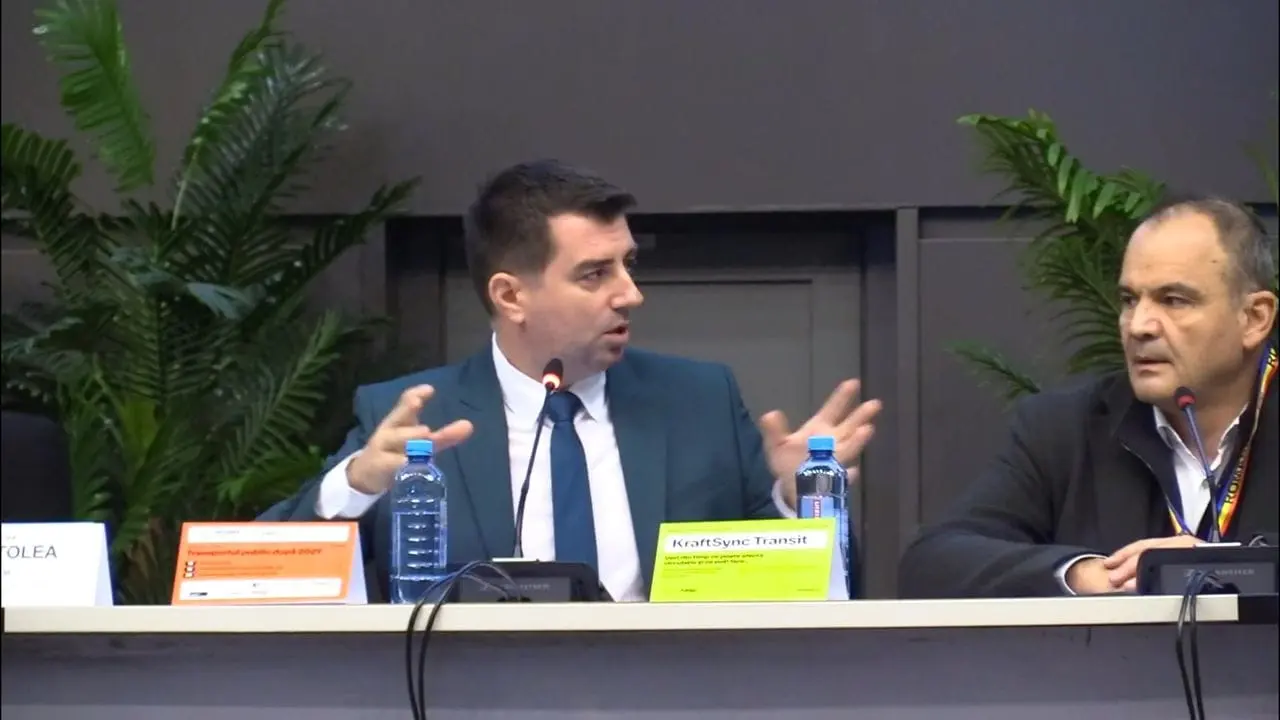
Florin Petolea made the Timișoara operator's experience public during the debate on the digitalisation of public transport. Until that point, the discussion had mainly focused on what an operator can gain from the data it receives from its vehicles. The STPT general manager's contribution also brought into the discussion an electric fleet's dependence on the systems that enable it to go out on its routes every day.
According to Florin Petolea, the first incident shut down all of STPT's charging stations. He did not specify the date of the incident, how long the disruption lasted or whether any services were cancelled. His reference to an episode that, by his estimate, took place less than a month before the congress concerned the attempt to access the vehicle management system. He described this as an attempt, without stating that the system had been compromised.
What was missing from the bus specifications
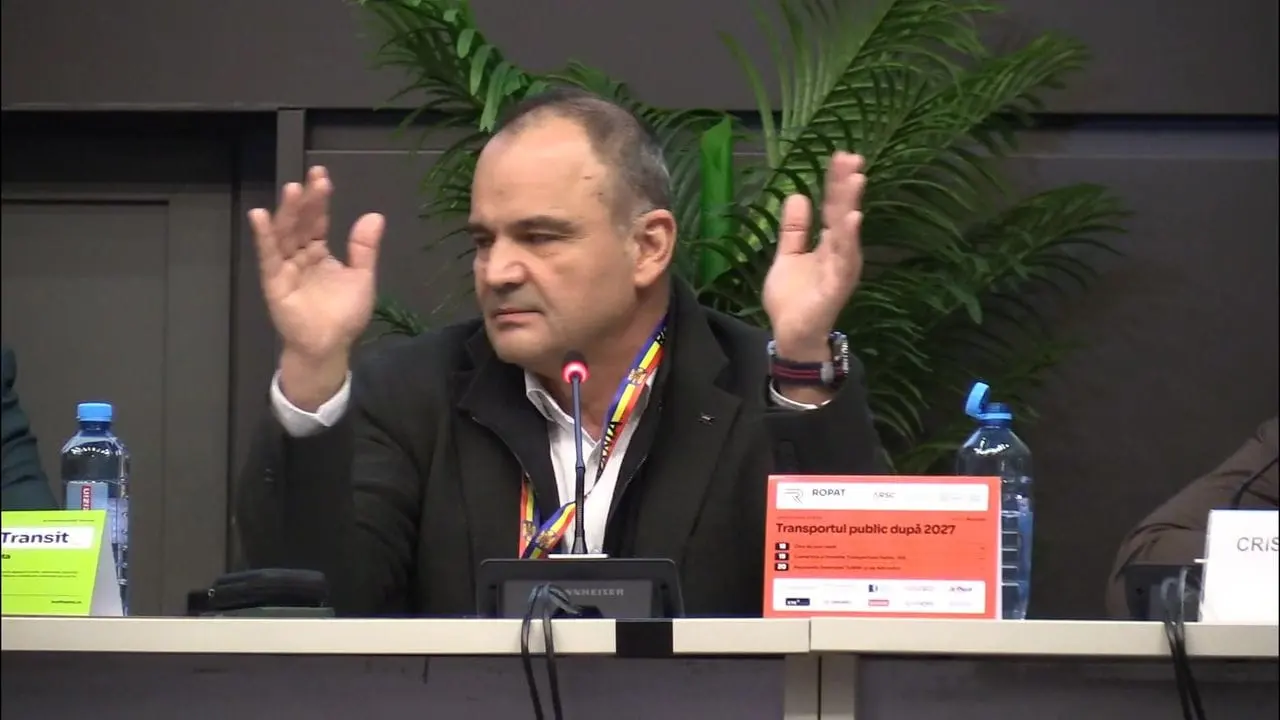
The general manager's most concrete observation concerned the very documents on the basis of which operators buy vehicles. Specialists know how to describe the engine, brakes or turning radius in detail. In the purchases Florin Petolea spoke about, the protection of on-board digital equipment had been left out of these specifications.
“We don't have a single page of specifications on cybersecurity for these buses. Until now we have never included them.”Florin Petolea, general manager, Societatea de Transport Public Timișoara
What is at stake can also be seen in the way Timișoara is able to correct its timetables. The general manager explained that vehicles transmit their position every three seconds. If the timetable allows two minutes between two stops and drivers need an average of two minutes and 40 seconds, the delay arises from the very way the schedule was built. Using times measured on the route, STPT can publish a timetable closer to actual running conditions.
STPT is preparing security requirements for future bus purchases
STPT has begun working with specialists from the relevant faculty in Timișoara, which runs a master's programme in cybersecurity. The objective described at the congress is for the operator to be able to specify, from the procurement stage, the security conditions that on-board equipment must meet.
“We have to prepare, because others are also preparing at the same time to do this kind of thing.”Florin Petolea, general manager, Societatea de Transport Public Timișoara
Photo gallery
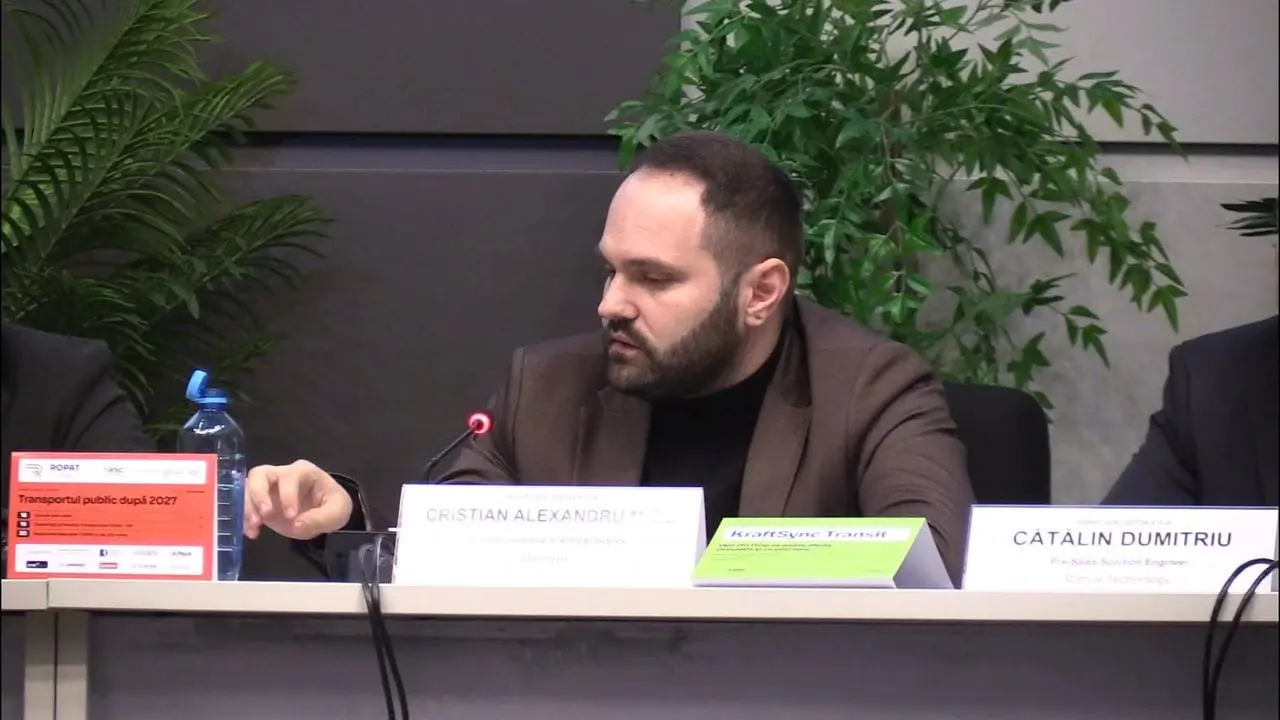
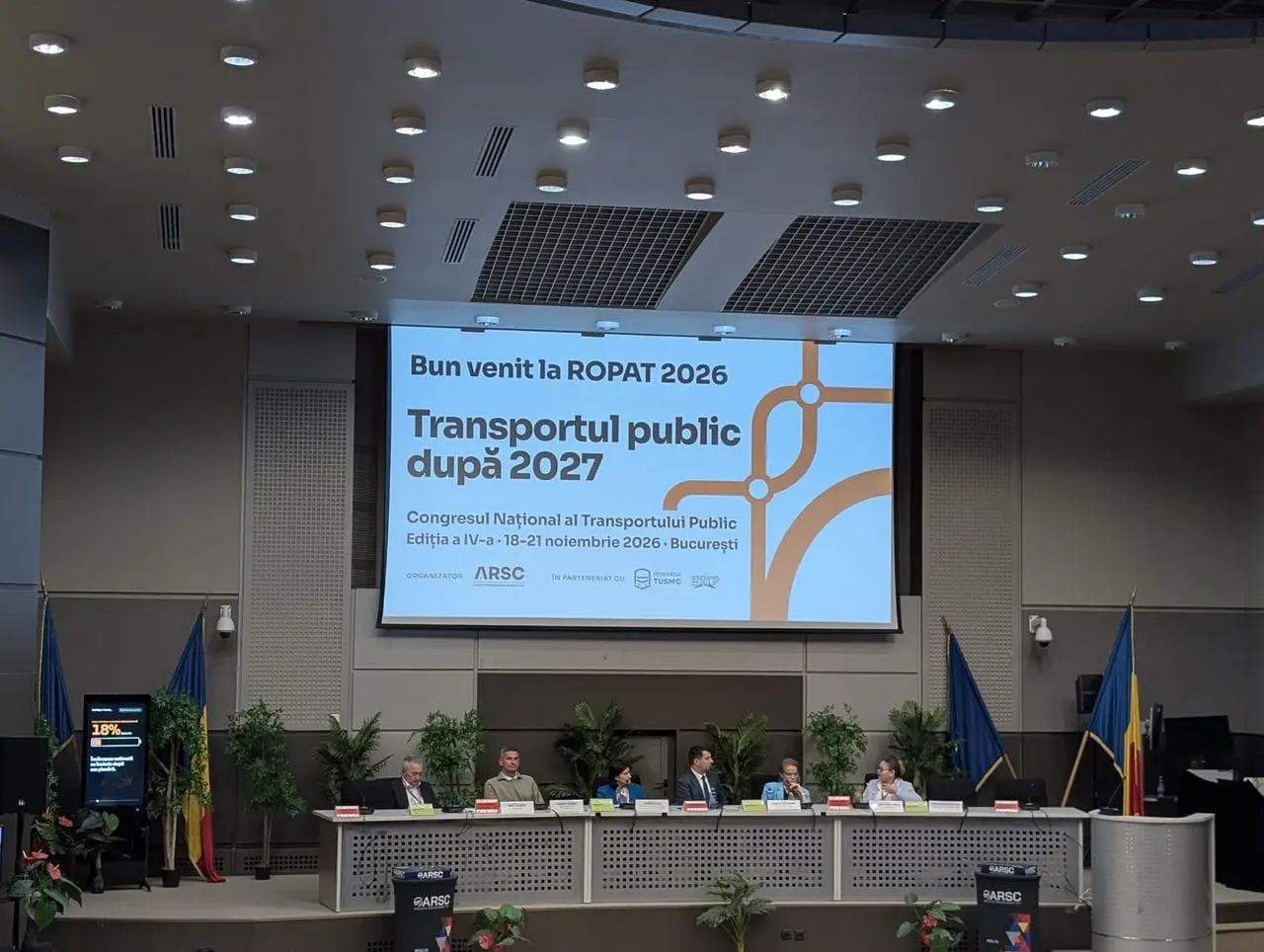
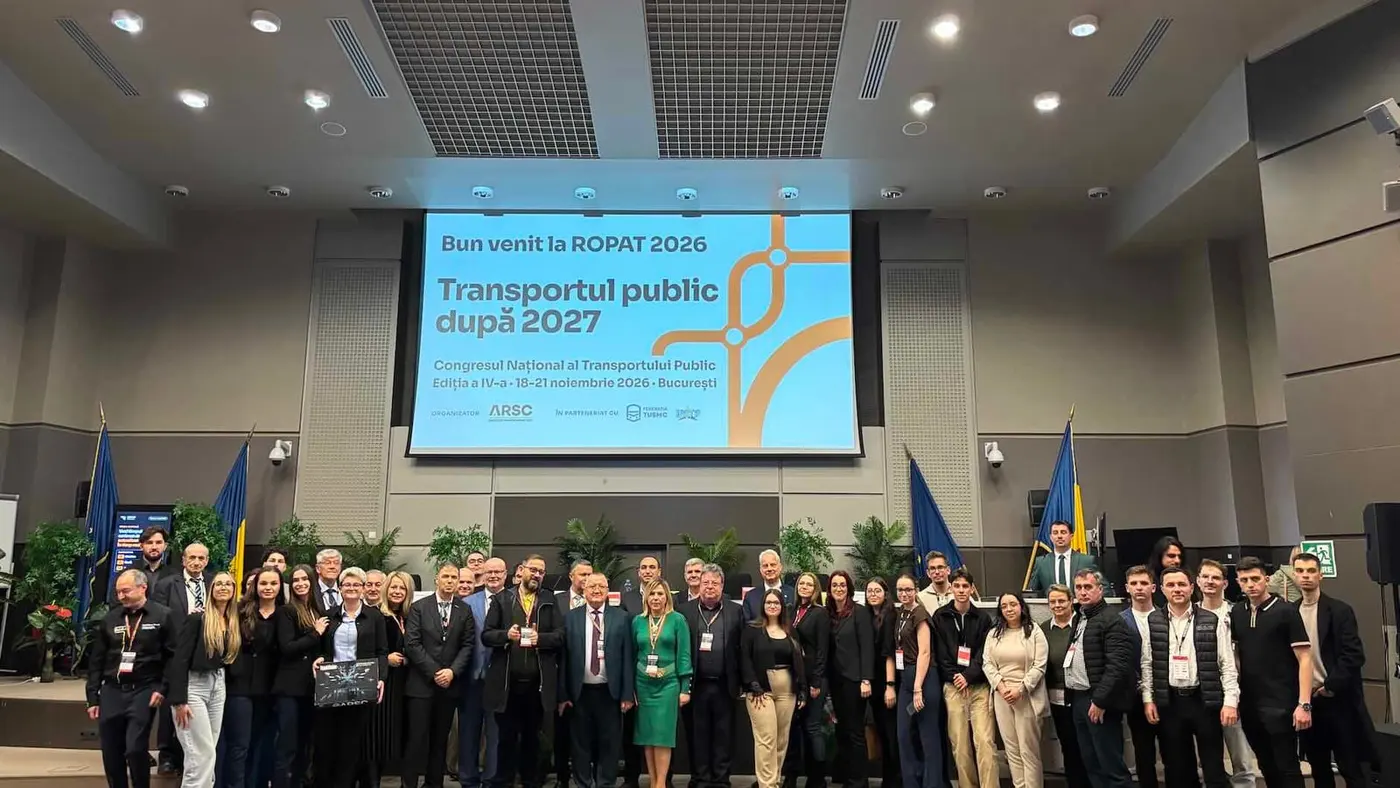
ROPAT 2026 partners
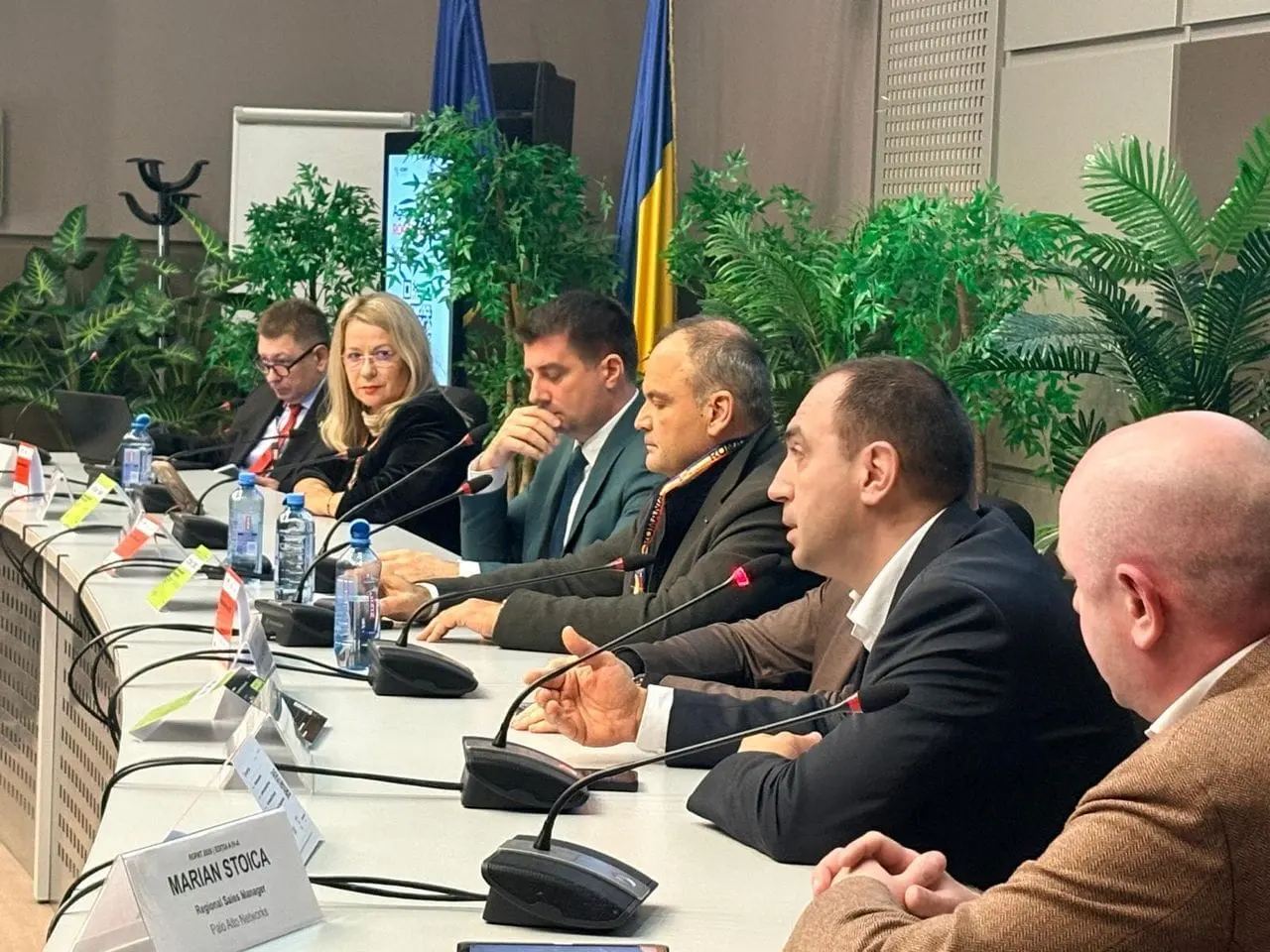
ROPAT 2026 was organised by the Romanian Smart City Association in partnership with the Federation of Urban, Suburban and Metropolitan Passenger Transport Operators (the TUSMC Federation), the main partner of this edition, and with URTP, the Romanian Union of Public Transport. KraftSync Transit was the technology partner of the fourth edition. Partners of this edition: nGENERATION, Anadolu Automobil Rom - Green Transport, the Investment and Development Bank, NovaTech, Dahua Technology, CTE Green, Palo Alto Networks, Lenovo, Framinor Grup and DAC.