The new metro map will show what you find above ground. Cristian Alexandru Micu presented the changes Metrorex is preparing at ROPAT
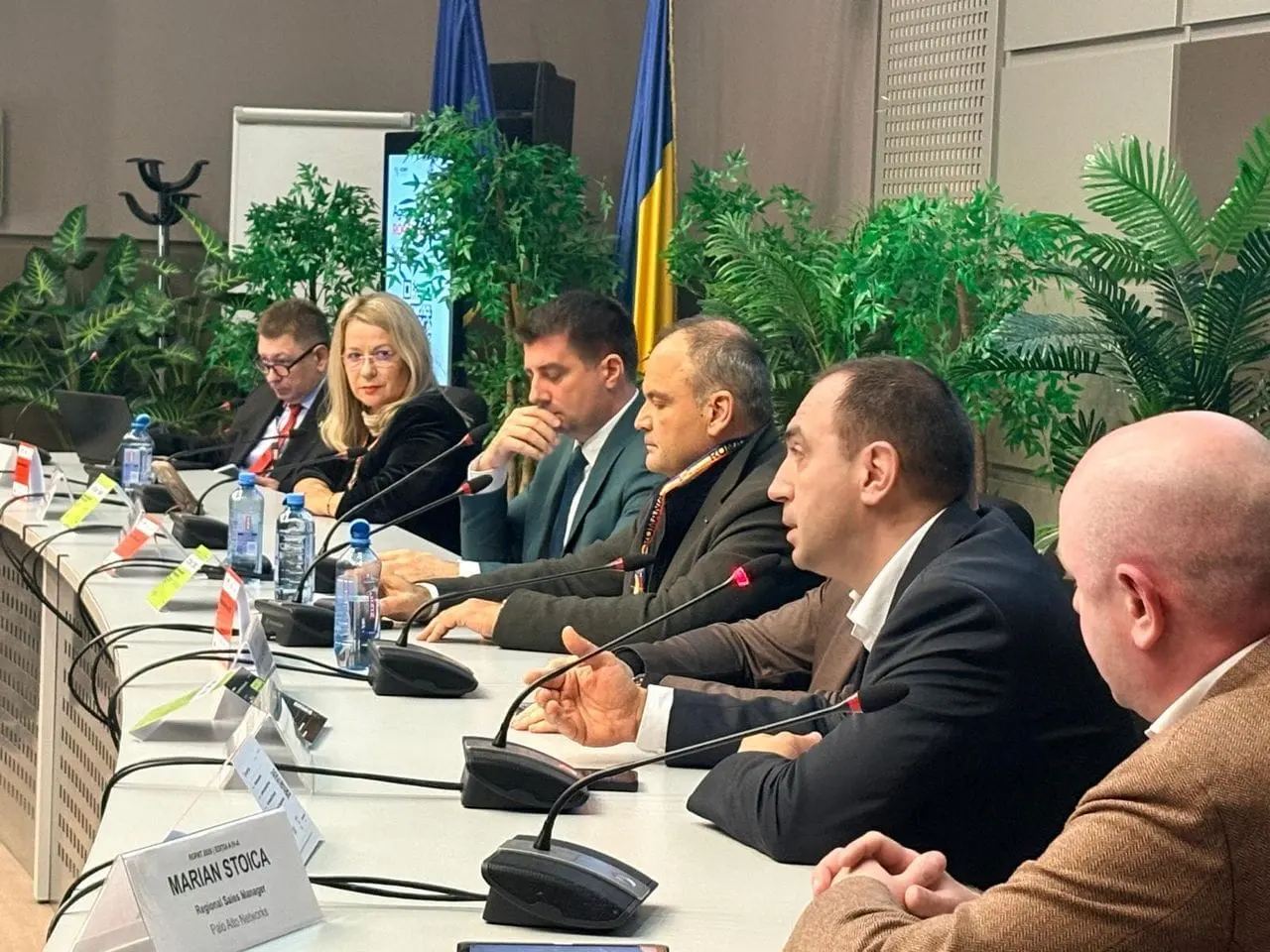
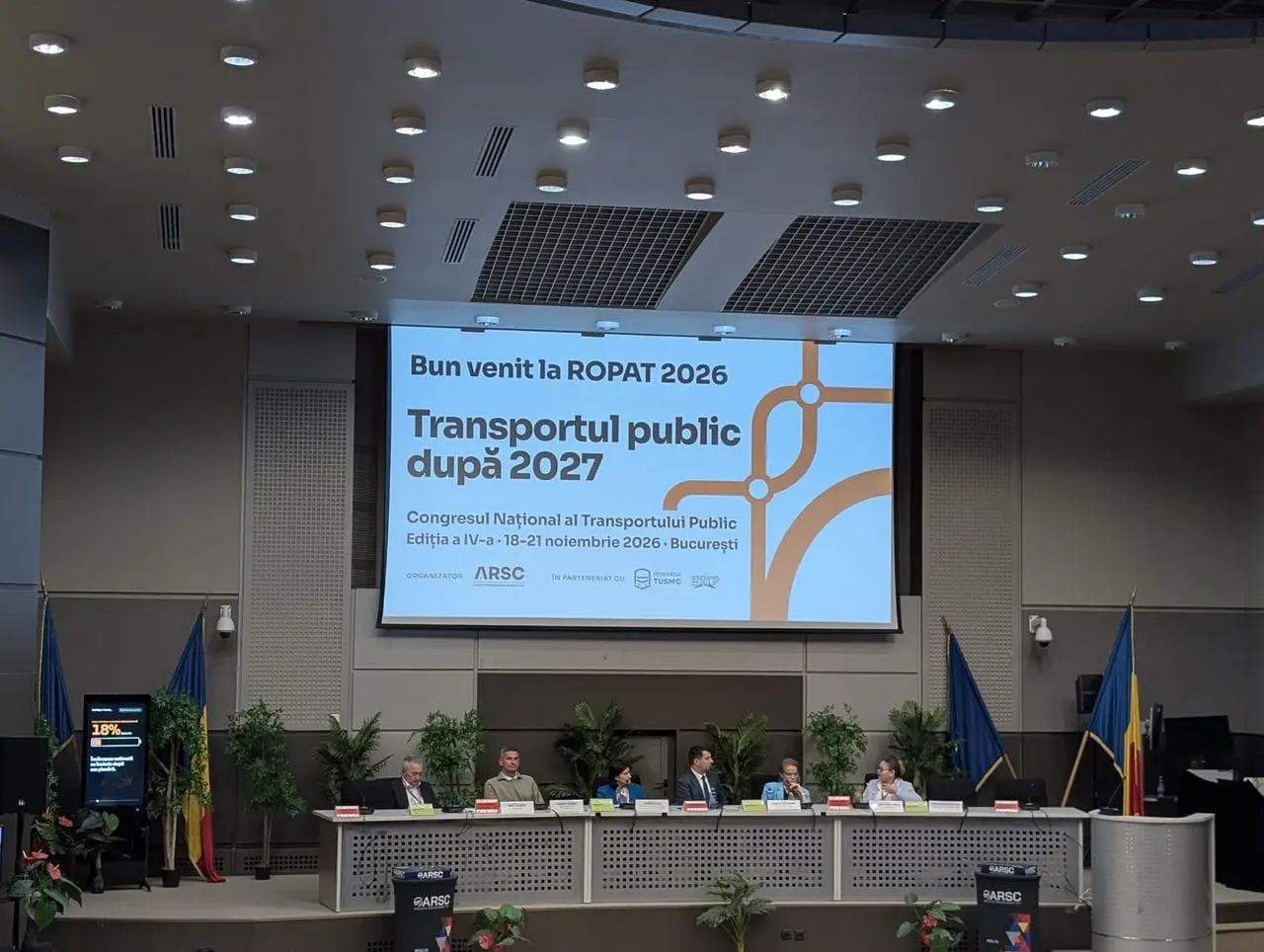
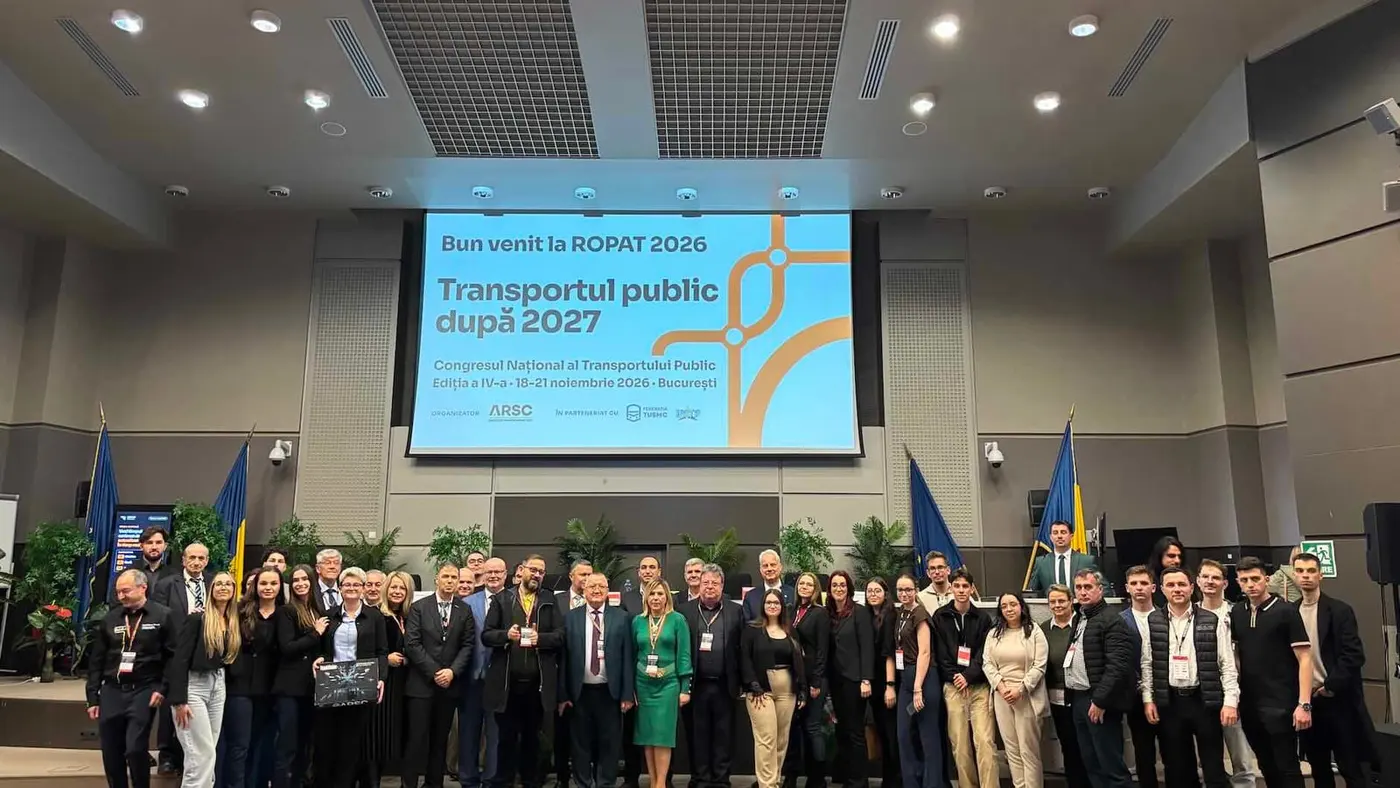
The new map being prepared by Metrorex will mark 31 points of interest in Bucharest, along with connections to railway and coach stations. One QR code will open the map on a phone, and a second will show which stations have public toilets. Cristian Alexandru Micu, commercial and public procurement director at Metrorex, presented the project at ROPAT 2026, the National Public Transport Congress. Asked about crowding on M2, he estimated that from the beginning of 2027 the interval between trains could approach three and a half minutes at peak times.
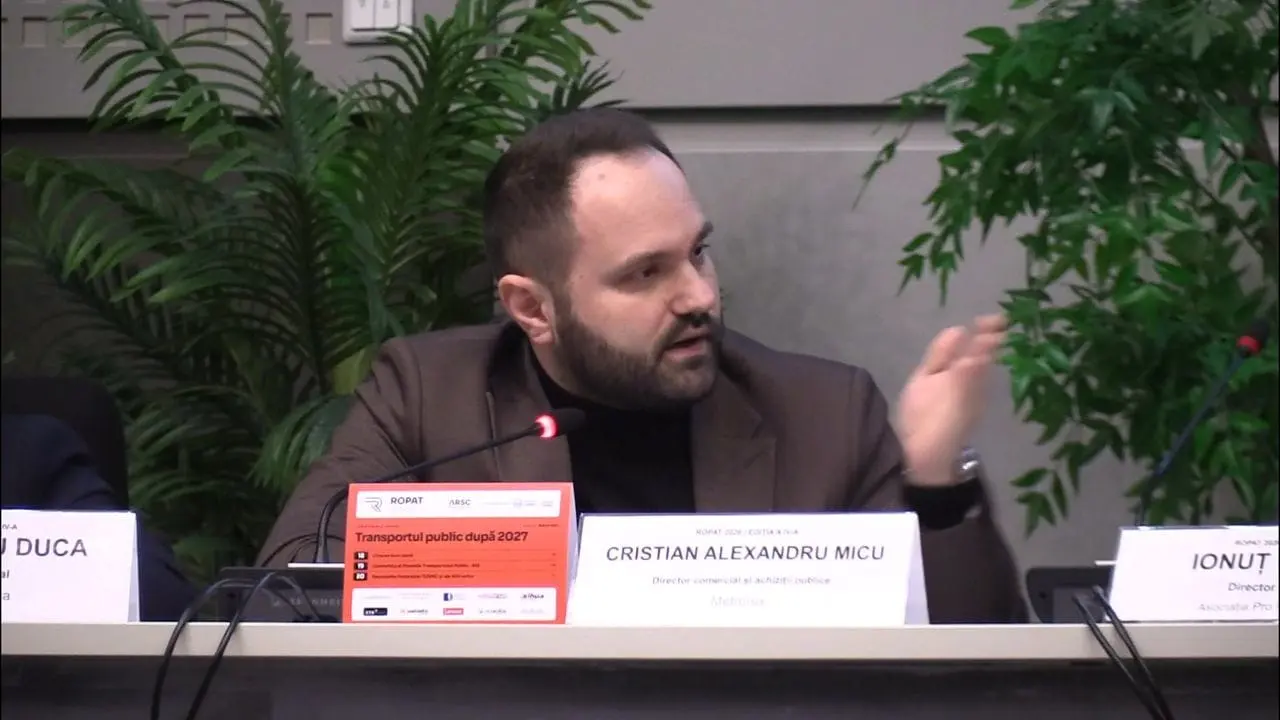
The Palace of the Parliament, the Arcul de Triumf and the National Arena will appear on the new Bucharest metro map, alongside railway and coach stations. Passengers will be able to open the map on their phones by scanning the QR code displayed in the station or on the train. Cristian Alexandru Micu, commercial and public procurement director at Metrorex, presented the project on 19 November at ROPAT 2026, the National Public Transport Congress. The map was almost ready at the time of the congress, and the next step was to display it in stations and on trains, according to Buletin de București.
During the discussion at ROPAT 2026, the moderator gave the example of a foreign visitor who looks at the metro diagram, sees the route to Otopeni and wants to know where to catch the train to the airport. For anyone who knows Bucharest, the dotted line means a planned metro line. For someone who has just arrived in the city, the same line may suggest a journey they expect to be able to make there and then.
Metrorex took difficulties of this kind as its starting point when it decided to redo the map. The team analysed passengers' suggestions and compared the metro diagrams of several European capitals. The first decision was to keep on the map only the lines on which trains actually run. The map was also meant to give people emerging from underground enough landmarks to continue their journey. Cristian Alexandru Micu linked both changes to a question that, in his view, anyone running a public transport company should ask. What would give a person the confidence to leave their car at home?
“Confidence that it is safe transport, confidence that I will arrive on time and confidence that they have clear information.”Cristian Alexandru Micu, commercial and public procurement director, Metrorex
Above-ground Bucharest comes to the metro map
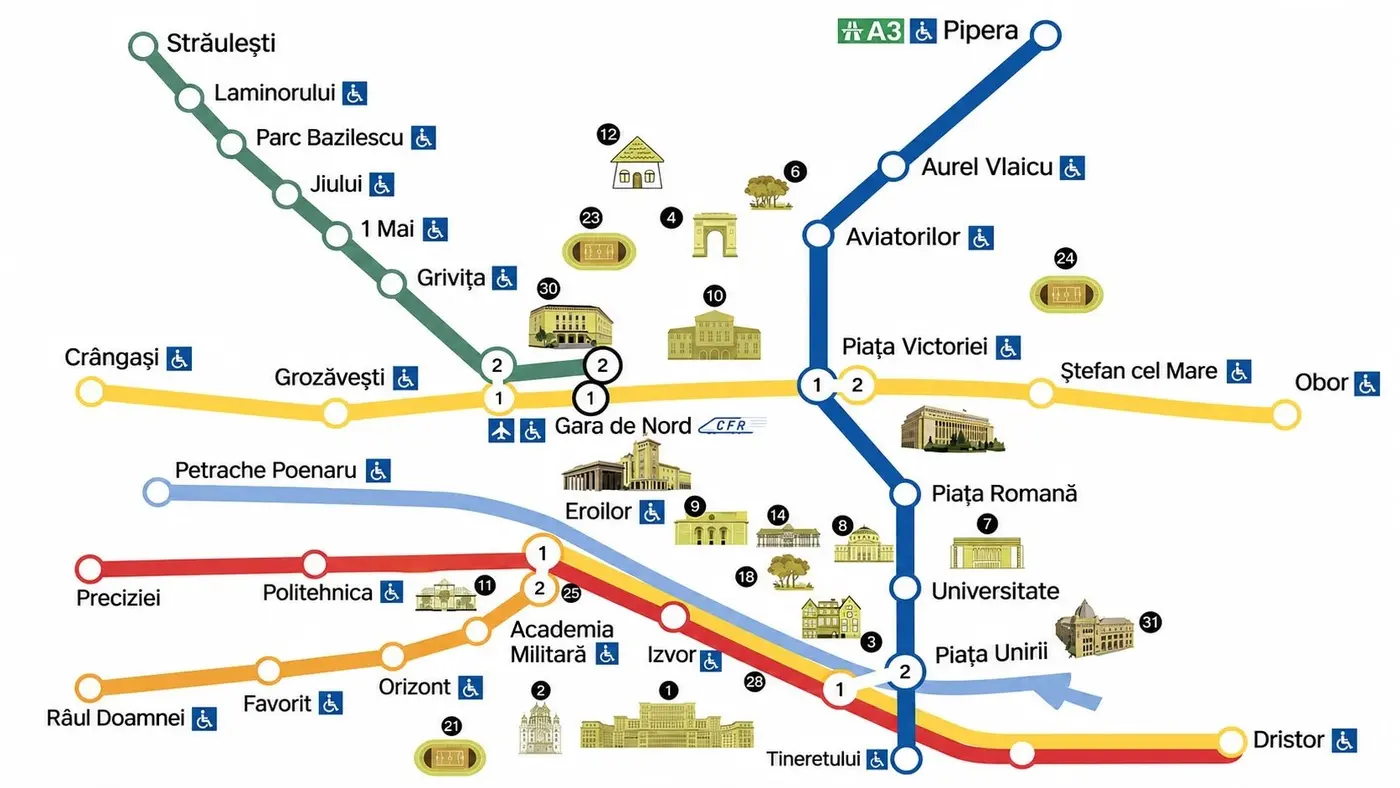
The new map will be readable in Romanian and English. The draft published by Buletin de București shows 31 attractions and points of interest. Among them are the Old Town, the Palace of the Parliament, the Arcul de Triumf and the National Arena. The Dâmbovița river and Lacul Morii provide two more easily recognisable landmarks. For those visiting Bucharest, a journey can thus begin with the name of the place they want to see, even if they do not know the name of the station.
See the draft of the new Metrorex map, published by Buletin de București.
Two QR codes meet different needs. The first opens the map on a phone. The second shows which stations have public toilets. The idea for the second code, Cristian Alexandru Micu explained, came directly from passengers' petitions. Only some stations have public toilets, and people wanted to be able to find out in advance where they are. The draft also marks stations with facilities for people with reduced mobility, as well as the passageways where passengers must validate their ticket again.
From Republica towards Oltenița, from Gara de Nord towards Ilfov
One of the examples chosen by Cristian Alexandru Micu was Republica station. Next to it is Titan Sud railway station, the link with trains on the route towards Oltenița. For commuters arriving here in the morning, the railway station and the metro are two stages of the same journey. These are precisely the connections Metrorex wanted to make more visible. Coach stations also appear on the new map, and at Gara de Nord the rail interchange matters both to people heading to the airport and to those travelling between Bucharest and localities in Ilfov, such as Chitila or Mogoșoaia.
“We tried to put on this map all the information that was missing. And we tried to make it a simple map, as clear as possible.”Cristian Alexandru Micu, commercial and public procurement director, Metrorex
The example of Mogoșoaia also allowed him to show what changes when the link between two networks works. In 2021, Metrorex introduced joint tickets with STB and with surface transport operators in Bucharest-Ilfov. In February 2022, the Metrorex commercial director recounted, he worked with Ștefan Roșeanu on a pilot project that also included the trains on the Gara de Nord - Henri Coandă Airport route, operated by CFR Călători and by a private operator.
Of the tickets offered on this route, the monthly pass was the most successful, according to Cristian Alexandru Micu. His explanation lies with the people who board along the way. The train known in Bucharest as “the airport train” also brings residents of Mogoșoaia to work every day. Cristian Alexandru Micu recalled that, at the beginning, they were talking about a few hundred passengers. “Now the trains are full”, he said of the trend he has observed on this link.
Tickets on the phone. Metrorex wants to start with students
At the metro gates, the yardstick Cristian Alexandru Micu uses to judge a technology is the time it saves the passenger. “What matters to them is getting there quickly and knowing they do not have to queue”, the director said. Passengers can already pay at the gate with a bank card registered on their phone. Electronic payment has its costs too, he noted, but the magnetic card itself also costs money, and its price has risen.
The project described by Cristian Alexandru Micu would allow students, the first users the company has in mind, to validate their pass on entry directly from their phone. According to Cristian Alexandru Micu, the solution was already working on Android, and the company was seeking integration with Apple Pay as well before making it available to the public. At the time of the congress, the project was still in progress.
The director explained why a seemingly simple change takes more work on the metro. On a bus, the passenger boards and validates. On the metro, the system must recognise the ticket and command the gate to open. Any new means of access has to work at that very point, for every passenger. In the longer term, the move to phones would also reduce the costs associated with the physical card.
On M2, what is at stake in 30 seconds
Answering a question from the audience about why more trains cannot run towards Pipera at peak times, Cristian Alexandru Micu pointed to the technical limit of the infrastructure. At the time of the congress, trains on Line 2 were running at four-minute intervals in the busiest hours. Work was under way to shorten the interval, and the director estimated that from the beginning of 2027 Metrorex could approach three and a half minutes.
Thirty seconds count for a great deal on the metro, he stressed. The difference is repeated with every train entering the station, at the very hours when the most passengers gather on the platform.
At Străulești, from the bus or car park straight to the metro
At the end of Line 4, the Străulești terminal brings together the park & ride car park, the metro, STB routes and Ecotrans Chitila buses. “Here you have direct access to the metro station”, Cristian Alexandru Micu said. The next step concerns the space set aside for a coach station in the original terminal design. As of 19 November, Metrorex was at the final stage of the approval process and still had formalities to complete with the Romanian Road Authority.
In southern Bucharest, Cristian Alexandru Micu gave the example of Tudor Arghezi station and the car park that allows people to continue their journey by metro. He mentioned the Sector 4 initiative and the interest of other local administrations in extending the network. He also spoke about the change within Metrorex, where, he says, more and more young people are coming, drawn by the company's work.
For the Metrorex commercial director, extending the network requires operators to consult one another from the very start of a project. A good idea for the metro can later hamper a link that matters to the city if STB or the rail operators find out about it too late.
“From my point of view, there has to be a constant dialogue with surface transport as well.”Cristian Alexandru Micu, commercial and public procurement director, Metrorex
At Republica or Străulești, the result of that dialogue can be seen in the distance a person has to cover between getting off one train and boarding the next means of transport.
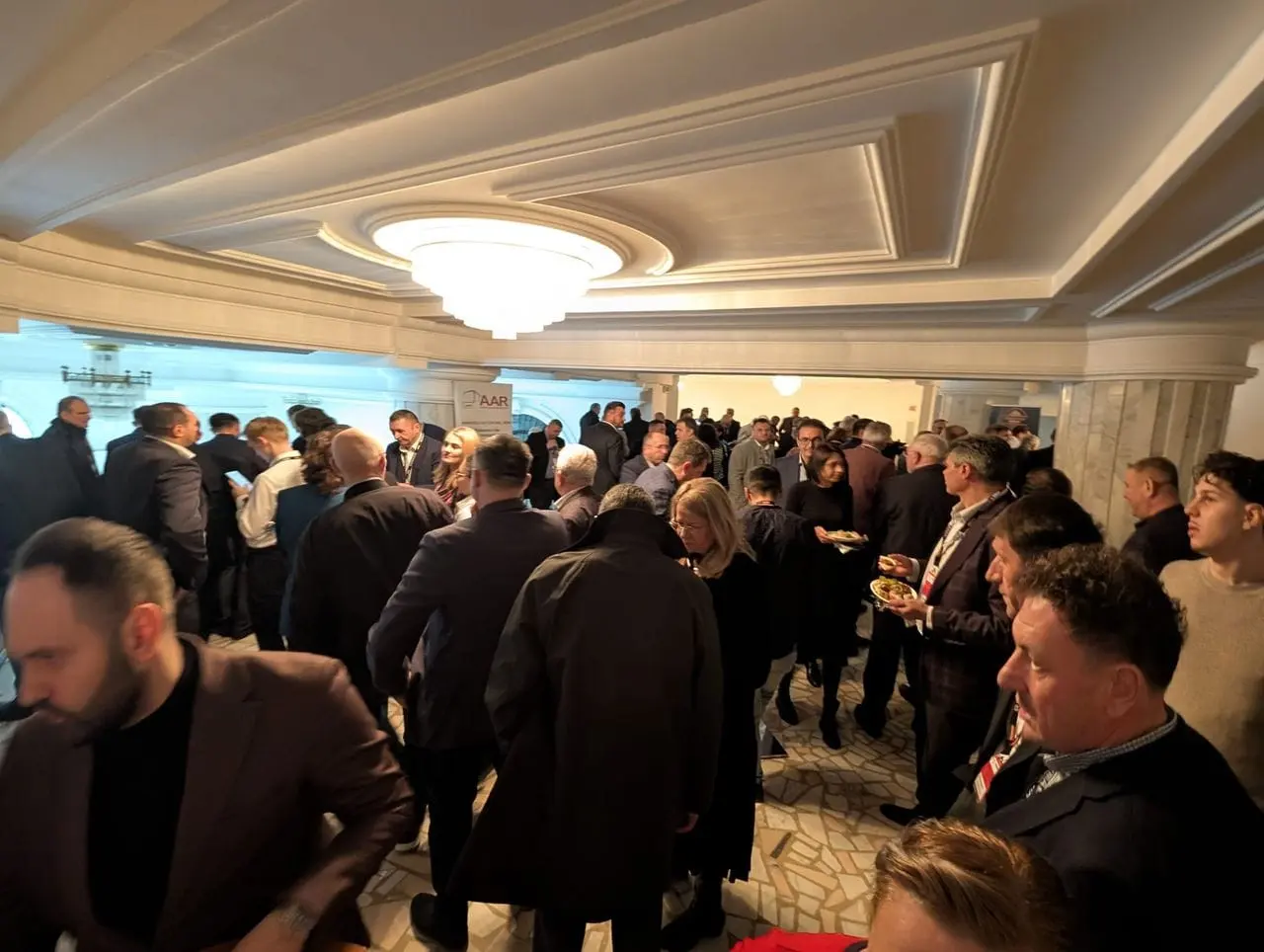
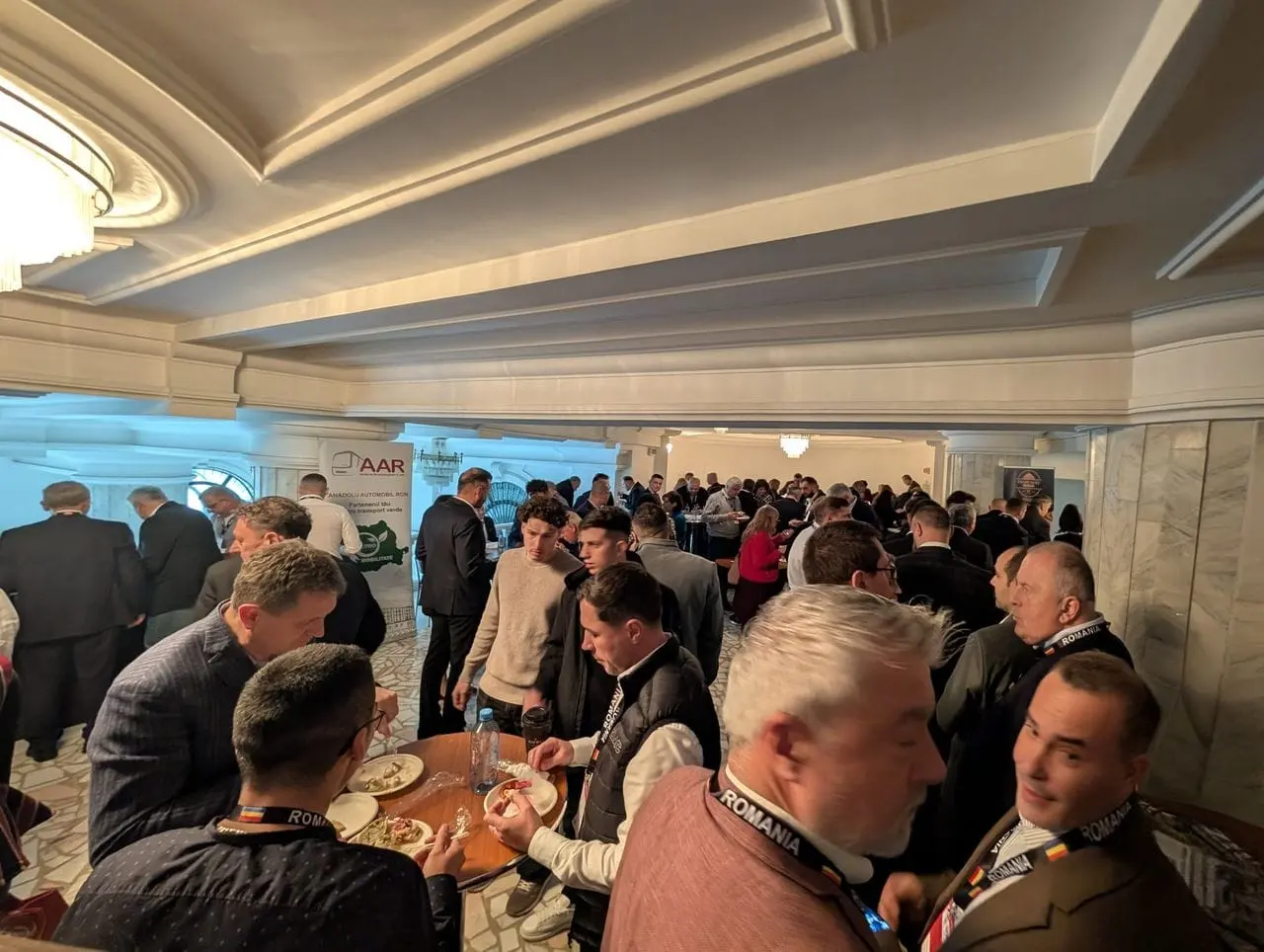
Photo gallery
ROPAT 2026 partners
ROPAT 2026 was organised by the Romanian Smart City Association (ARSC) in partnership with the TUSMC Federation (Federation of Urban, Suburban and Metropolitan Passenger Transport Operators), the main partner of this edition, and with URTP, the Romanian Union of Public Transport. KraftSync Transit was the technology partner of the fourth edition. Partners of this edition: nGENERATION, Anadolu Automobil Rom - Green Transport, Banca de Investiții și Dezvoltare, NovaTech, Dahua Technology, CTE Green, Palo Alto Networks, Lenovo, Framinor Grup and DAC.


21 November 2026 · transportpasageri.ro editorial team · Source: Știri Smart
← Back to news